Managing a business that operates around the clock presents a unique set of challenges, especially when it comes to staffing. Ensuring you have the right people in the right place at the right time, whether it is for a hospital, a manufacturing plant, a security firm, or a call center, is absolutely critical for smooth operations and sustained productivity. Without a clear and well-organized system, you risk burnout, understaffing during peak hours, and overstaffing during quieter periods, all of which can severely impact your bottom line and employee morale.
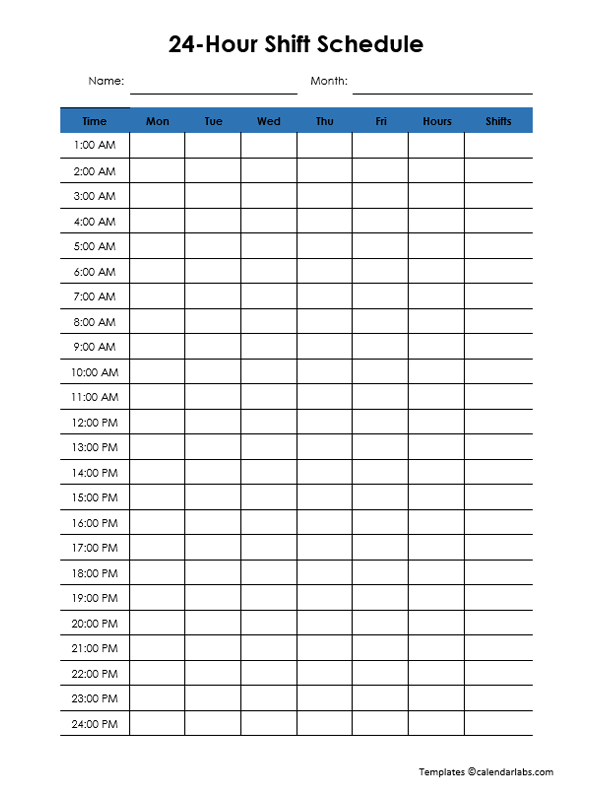
That is where a robust scheduling solution comes into play. A dedicated 24 hour employee schedule template is more than just a list of names and times; it is a strategic tool designed to optimize workforce management, enhance efficiency, and support your team’s well-being. By utilizing a structured template, you can streamline the planning process, ensure fairness, and provide clarity for everyone involved, making the complex task of 24/7 operations feel much more manageable.
Crafting an Effective 24/7 Work Schedule
Creating a functional 24 hour schedule involves more than simply assigning shifts. It demands careful consideration of various factors, including employee availability, skill sets, labor laws, break requirements, and potential for overtime. The goal is to design a schedule that not only meets operational demands but also promotes employee satisfaction and prevents fatigue. A poorly designed schedule can lead to high turnover rates, errors, and decreased productivity, making initial planning an investment that pays dividends.
A good starting point is to break down the entire 24-hour period into distinct shifts. Common shift lengths are 8, 10, or 12 hours, but this can vary depending on your industry and specific needs. Once you have defined your shift durations, you then need to consider how these shifts will rotate among your team members. This involves looking at the number of employees required per shift and ensuring adequate coverage at all times, including during changeovers between shifts.
Common Shift Rotation Patterns
- Fixed Shifts: Employees consistently work the same shift (e.g., always mornings, always nights). This can be good for stability but might not suit all employees.
- Rotating Shifts: Employees regularly switch between different shifts (e.g., a week of mornings, then a week of afternoons, then a week of nights). This offers variety but can be challenging for an individual’s personal life and sleep patterns.
- Continental Shifts: A popular pattern that involves blocks of working days followed by blocks of days off, often seen in a 4-on, 4-off cycle with 12-hour shifts. This provides longer stretches of time off, which many employees appreciate.
When implementing any of these patterns within your 24 hour employee schedule template, it is crucial to remain flexible. Life happens, and employees will need time off for appointments, emergencies, or personal events. Having a system for requesting time off, swapping shifts, and finding coverage is essential for maintaining morale and operational continuity. Clear communication about the schedule and any changes is also paramount to avoid confusion and ensure everyone knows their responsibilities.
Benefits and Best Practices for Your 24 Hour Schedule
The advantages of a well-designed 24 hour schedule extend far beyond just covering shifts. For businesses, it translates into optimized labor costs, reduced overtime expenses, and increased operational efficiency. Knowing exactly who is working when helps in resource allocation, task assignment, and overall project management. It also helps in forecasting future staffing needs and identifying potential gaps before they become critical issues.
For employees, a clear and consistent schedule means better work-life balance and reduced stress. When employees know their shifts well in advance, they can plan their personal lives more effectively, leading to higher job satisfaction and lower absenteeism. It fosters a sense of fairness and predictability, which are key components of a positive work environment. Moreover, by incorporating adequate rest periods and adhering to labor laws, you are investing in the health and well-being of your most valuable asset: your people.
Implementing best practices is key to maximizing the effectiveness of your scheduling efforts. Start by engaging your team in the scheduling process; their input can provide valuable insights into what works best for them and for the operation. Transparency builds trust and encourages compliance. Leverage technology, even if it is just a sophisticated spreadsheet or a basic online tool, to automate some of the complexities and reduce manual errors.
- Communicate clearly and frequently about the schedule.
- Be fair and consistent in shift assignments and time-off requests.
- Review and adjust the schedule regularly based on feedback and operational changes.
- Ensure compliance with all local and national labor laws regarding breaks, rest periods, and maximum working hours.
- Train supervisors and team leaders on how to manage and modify the schedule effectively.
A proactive approach to scheduling, where you anticipate needs and problems rather than reacting to them, will save time and resources in the long run. By consistently applying these principles, your business can maintain seamless 24/7 operations while fostering a productive and happy workforce.
Investing time in developing a comprehensive and adaptable scheduling system is a strategic move for any organization operating around the clock. It not only addresses the immediate logistical challenge of ensuring constant coverage but also lays the groundwork for a more stable, efficient, and employee-friendly work environment. A well-thought-out schedule becomes a cornerstone of your operational success, enabling your business to thrive continuously.
By prioritizing clear communication, leveraging appropriate tools, and maintaining flexibility, you can transform the daunting task of 24/7 scheduling into a powerful asset. The effort put into creating a robust scheduling framework will ultimately lead to improved productivity, reduced stress for both management and staff, and a stronger foundation for your business’s ongoing growth and achievements.