Navigating the complexities of patient care in a dental practice requires meticulous organization and easy access to vital information. This is where a robust dental health record template becomes an invaluable asset, ensuring every detail from initial consultation to post-treatment follow-up is systematically documented. It is more than just a collection of notes; it is a comprehensive narrative of a patient’s oral health journey, crucial for continuity of care, legal compliance, and effective communication among the dental team.
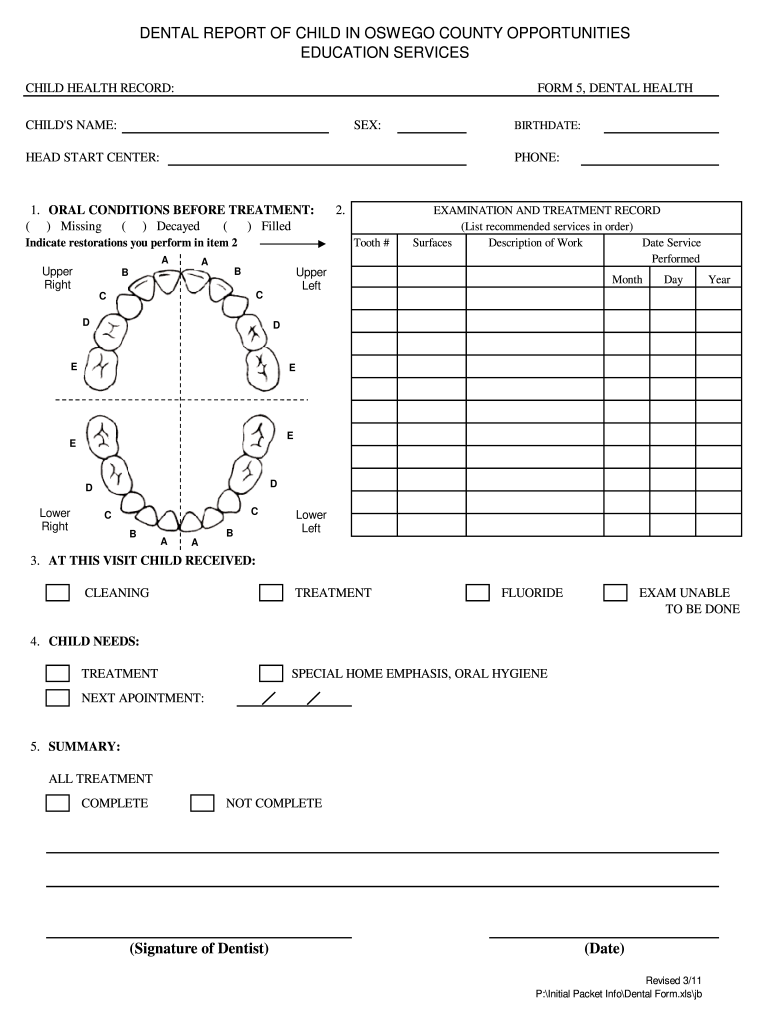
Think of these records as the backbone of your practice. Without accurate, up-to-date information, diagnosing issues, planning treatments, and tracking progress would be significantly harder, leading to potential missteps and diminished patient trust. A well-structured record system allows practitioners to quickly retrieve medical histories, past procedures, and patient preferences, all of which contribute to delivering personalized and high-quality dental care.
From the front desk staff managing appointments and insurance details to the hygienist noting periodontal charting and the dentist formulating a treatment plan, everyone benefits from a unified and clear record-keeping system. It streamlines workflows, reduces administrative burden, and ultimately frees up more time for what truly matters: caring for patients.
What Exactly Goes Into a Comprehensive Dental Record?
A truly effective dental health record is far more than just a simple ledger of appointments. It’s a dynamic document that tells the complete story of a patient’s oral health, capturing everything from their initial concerns to the intricacies of their treatment journey and ongoing maintenance. This depth of information is what empowers dental professionals to make informed decisions and provide the best possible care.
At its core, a comprehensive record begins with essential patient demographic information. This includes their full name, date of birth, contact details, and emergency contact information. Having accurate identifiers is crucial for communication and ensures that the right information is associated with the right patient.
Beyond basic contact, a thorough medical history is paramount. This section meticulously details any past or present medical conditions, allergies to medications or materials, current prescriptions, and any significant health events that could impact dental treatment. For example, conditions like diabetes or heart disease, or medications like blood thinners, all have direct implications for dental procedures and must be carefully noted.
Equally important is the patient’s dental history. This includes information about previous dental treatments, any past orthodontic work, history of periodontal disease, tooth extractions, and existing restorations like fillings or crowns. It also covers their dental habits, such as brushing frequency, flossing routine, and any habits like grinding or clenching that might affect their oral health. Understanding this history provides context for their current oral status.
The clinical findings section is where the current examination details are recorded. This involves a detailed charting of existing teeth, any missing teeth, the presence of decay, periodontal probing depths, recession, and bleeding points. It also includes observations of soft tissues, TMJ evaluation, and any other relevant findings from the intraoral and extraoral examination. This section often integrates digital images and X-rays to provide a visual record of the patient’s condition.
Furthermore, a comprehensive record should clearly outline proposed treatment plans, including alternatives discussed with the patient, and their informed consent for each procedure. Progress notes from every visit are essential, documenting the procedures performed, materials used, patient reactions, and any post-operative instructions given. This ensures a clear audit trail and helps track the effectiveness of treatments over time.
Finally, documentation regarding financial arrangements, insurance information, and any communication with other healthcare providers completes the record. A well-maintained dental record isn’t just about clinical data; it’s about creating a holistic picture that supports patient safety, legal compliance, and the seamless operation of your dental practice.
The Benefits of Standardizing Your Dental Records
Adopting a standardized approach to dental record-keeping, often through the use of a consistent dental health record template, brings a multitude of advantages that extend across every facet of a dental practice. It’s about moving beyond disparate notes and creating a unified, efficient, and reliable system that benefits both the practice and its patients.
One of the most immediate benefits is enhanced efficiency and consistency. When every team member uses the same template, information is always found in the expected place. This drastically reduces the time spent searching for details, minimizes errors due to overlooked information, and ensures that no critical data point is missed during examinations or treatment planning. It creates a predictable workflow, which is invaluable in a busy practice.
Moreover, standardized records significantly improve the quality and continuity of patient care. With all relevant medical and dental history, clinical findings, and treatment plans clearly documented, any member of the dental team can pick up where another left off, even if a different practitioner sees the patient. This seamless transition of care ensures that patients receive consistent, informed treatment, building trust and fostering better health outcomes.
The legal and compliance aspects cannot be overstated. Dental records serve as critical legal documents. Standardized templates help ensure that all necessary information for legal compliance, insurance claims, and potential audits is systematically captured. This meticulous documentation protects both the practice and the patient, providing a clear account of all interactions and decisions made.
Here are some ways standardizing your records can benefit your practice:
- Streamlined administrative processes, saving valuable staff time.
- Improved clarity and communication among the dental team and with specialists.
- Easier compliance with regulatory requirements and insurance company demands.
- Enhanced patient safety through readily accessible allergy and medical history.
- Better data analysis for practice management and identifying trends in patient care.
Ultimately, embracing a consistent system for your dental health records transforms a chaotic collection of notes into a powerful tool. It elevates the level of care provided, optimizes operational efficiency, and builds a stronger, more reliable foundation for your entire practice. It allows dental professionals to focus more on their patients and less on administrative hurdles, knowing that every piece of information is precisely where it should be.