Managing the ebb and flow of money in and out of your business is a continuous balancing act. Keeping a close eye on your cash flow is not just good practice; it’s absolutely essential for sustainable growth and operational stability. One of the most critical aspects of this financial management is understanding exactly what you owe and when those payments are due. Without a clear picture of your liabilities, you might find yourself scrambling to meet obligations, potentially damaging vendor relationships or incurring late fees.
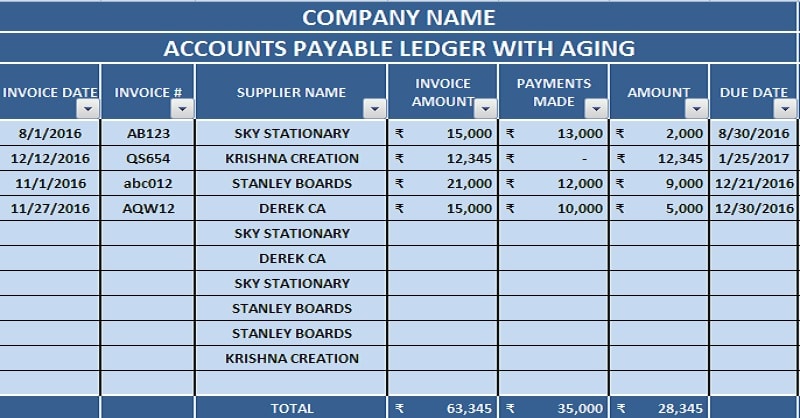
This is where a powerful tool like an accounts payable aging schedule comes into play, offering a transparent view of your outstanding invoices. It helps you organize, prioritize, and plan your outgoing payments more effectively. By leveraging a well-structured accounts payable aging schedule template, you can transform a potentially chaotic list of bills into an organized, actionable financial report, giving you peace of mind and greater control over your business’s financial health.
What Exactly Is an Accounts Payable Aging Schedule?
An accounts payable aging schedule is essentially a report that categorizes your company’s outstanding invoices based on the length of time they have been unpaid. Think of it as a snapshot of your current financial liabilities, organized by how old they are. This critical document doesn’t just list what you owe; it strategically breaks down those debts into time buckets, such as “current,” “1-30 days past due,” “31-60 days past due,” and so on. Its primary purpose is to provide a clear, immediate understanding of your short-term financial obligations.
The importance of this schedule cannot be overstated. By clearly seeing which invoices are nearing their due date and which are already overdue, you can strategically plan your payments, allocate funds efficiently, and avoid unnecessary late payment penalties. It acts as an early warning system, allowing you to proactively address potential cash flow issues before they escalate. Moreover, it empowers you to maintain good relationships with your suppliers by ensuring timely payments, which can lead to better credit terms and stronger partnerships in the long run.
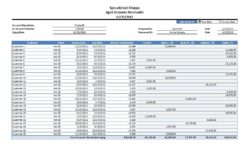
A typical accounts payable aging schedule template will include columns for the vendor’s name, the invoice number, the original invoice date, the due date, the total amount owed, and then a series of columns representing the aging buckets. For example, an invoice might be listed under “Current” if it’s not yet due, or under “1-30 Days Past Due” if its due date has passed within the last month. This visual breakdown makes it incredibly easy to identify which debts require immediate attention versus those that still have some leeway.
Beyond just tracking, this schedule is a vital component for financial forecasting and strategic decision-making. It provides valuable data for cash flow projections, helps in negotiating payment terms with vendors, and assists in assessing the overall liquidity of your business. It’s more than just a list of bills; it’s a dynamic management tool that underpins sound financial operations.
Key Benefits for Your Business
Building and Maximizing Your Accounts Payable Aging Schedule Template
Creating your own accounts payable aging schedule template, especially using a common spreadsheet program like Microsoft Excel or Google Sheets, is a straightforward process that yields immense benefits. While sophisticated accounting software often generates these reports automatically, a well-designed template gives you control and a clear understanding of the underlying data. The foundation of your template will involve setting up the key columns that capture all necessary invoice information and then applying simple formulas to calculate the aging periods automatically based on the current date. This hands-on approach ensures you’re deeply familiar with your liabilities.
Populating your template begins with gathering all outstanding invoices. For each invoice, you’ll input the vendor’s name, the unique invoice number, the date the invoice was issued, the payment due date, and the total amount due. The magic happens when you calculate the “aging” of each invoice. This is typically done by comparing the invoice’s due date to the current date. If the due date is in the future, it’s “Current.” If it’s one day past, it falls into the “1-30 Days Past Due” category, and so on. A good template will have conditional formatting or formulas that automatically sort invoices into these age brackets, giving you an instant visual cue of your most pressing debts.
Once your accounts payable aging schedule template is populated, the real work of utilizing the information begins. This report is not just for passive viewing; it’s an action-oriented document. Use it to prioritize which invoices need to be paid immediately to avoid late fees or maintain critical vendor relationships. It helps you identify any recurring issues, such as specific vendors whose payment terms are frequently challenging or internal delays in processing invoices. This detailed insight allows you to take proactive steps, whether that means adjusting payment processes or renegotiating terms with suppliers.
Integrating the review of your accounts payable aging schedule template into your regular financial routine is crucial. Make it a weekly or bi-weekly habit to update the data and assess your liabilities. While the template is a fantastic starting point for small to medium-sized businesses, remember that as your operations grow, dedicated accounting software offers further automation and integration with other financial systems. However, even with advanced software, understanding the principles behind the aging schedule, as learned through creating and managing your template, remains an invaluable skill for any financial manager.
Having a clear and continuously updated view of your financial obligations is truly empowering. An effective accounts payable aging schedule template isn’t just a document; it’s a strategic asset that guides your cash flow decisions and ensures your business maintains a healthy financial standing. It allows you to move from reactive bill paying to proactive financial management, fostering stability and growth.
By consistently monitoring your aged payables, you gain invaluable insights into your operational efficiency and vendor relationships. This detailed oversight ensures that you can confidently make informed decisions, optimize your working capital, and build a more resilient and financially sound future for your business.