Running a beauty salon is an exciting venture, full of creativity, client connections, and the joy of helping people look and feel their best. However, beneath the polished surfaces and delightful aromas lies a critical responsibility: ensuring the safety and well-being of everyone who walks through your doors, from your cherished clients to your dedicated staff. Unseen hazards can pose real threats, potentially leading to injuries, health issues, and even significant disruptions to your business.
This is precisely where understanding and implementing proper safety measures becomes paramount. Proactively identifying and addressing potential risks isn’t just about compliance; it’s about fostering trust, maintaining your reputation, and creating a truly safe and comfortable environment. Taking the time to evaluate your salon’s operations for potential hazards is a cornerstone of responsible business management, safeguarding both your people and your livelihood.
Identifying Common Risks in Your Salon
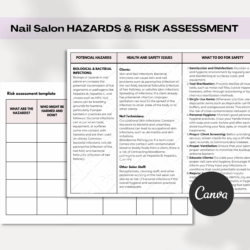
Every beauty salon, regardless of its size or specialty, harbors a unique set of potential risks. While the specific details might vary, these hazards generally fall into a few common categories. Thinking systematically about these areas is the first step in creating a robust safety plan, helping you to pinpoint where vigilance is most needed and how to effectively mitigate any dangers. It is much easier to manage risks when you know exactly what you are looking for.
For instance, chemical exposure is a pervasive concern. Salons utilize a wide array of products, from hair dyes and perming solutions to nail polishes, acrylics, and various cleaning agents. Improper handling, storage, ventilation, or lack of personal protective equipment can lead to skin irritations, respiratory problems, or even more severe reactions for both staff and clients. Understanding the Material Safety Data Sheets (MSDS) for all products is a non-negotiable part of your safety protocol.
Then there are the physical risks, which are often overlooked but can cause significant harm. Slips, trips, and falls are common, especially in environments where water, hair, or spilled products can create slick surfaces. Equipment malfunctions, such as faulty electrical wiring on hairdryers, sterilizers, or tanning beds, also present fire or electrical shock hazards. Even ergonomic issues, like prolonged standing or repetitive motions for stylists and technicians, can lead to long-term musculoskeletal problems for your team.
Biological hazards are another crucial area to consider. Cross-contamination from unsterilized tools is a serious concern, capable of transmitting infections such as fungal infections, bacterial infections, or even more severe bloodborne pathogens. Ensuring proper disinfection and sterilization protocols for all reusable tools is not merely good practice, it is an absolute necessity to protect everyone’s health. Having a comprehensive beauty salon risk assessment template helps you systematically tackle these various areas.
Specific Areas to Consider
- Client treatment areas
- Reception and waiting areas
- Staff break rooms
- Storage rooms for chemicals and supplies
- Restrooms and changing facilities
- Outdoor access points and pathways
Developing Your Action Plan and Review Process
Once you have meticulously identified the potential risks within your salon, the next crucial step is to develop a clear, actionable plan to control and minimize them. Simply knowing about a hazard isn’t enough; you need to outline specific strategies for prevention and protection. This action plan should detail who is responsible for implementing each safety measure, what steps need to be taken, and by when they should be completed, creating a transparent roadmap for a safer salon environment.
Effective risk control might involve several approaches. For chemical hazards, this could mean improving ventilation systems, investing in safer product alternatives, providing gloves and masks, or implementing strict spill response procedures. For physical risks, actions could include installing non-slip flooring, regularly checking and maintaining all electrical equipment, ensuring clear pathways, and providing ergonomic tools and training to reduce strain on staff.
Regarding biological risks, your action plan must emphasize rigorous sterilization and disinfection protocols for all tools and surfaces, proper disposal of sharps and waste, and strict adherence to hygiene practices like handwashing. Consistent training for all staff on these procedures is vital, ensuring everyone understands their role in preventing the spread of infection. Clear guidelines and consistent reinforcement are key to embedding these practices into daily operations.
Finally, your risk assessment is not a one-time task; it is an ongoing process. Salons evolve, new products are introduced, equipment ages, and regulations can change. Therefore, it is essential to schedule regular reviews of your risk assessment and action plan. This ensures that your safety measures remain relevant, effective, and up-to-date, continually adapting to new challenges and maintaining the highest standards of safety for everyone in your salon.
- Assign specific individuals or teams responsibility for each risk control measure.
- Establish realistic deadlines for implementing corrective actions and safety upgrades.
- Provide thorough and recurrent training to all employees on safety protocols and emergency procedures.
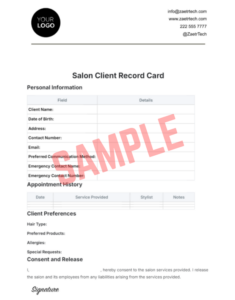
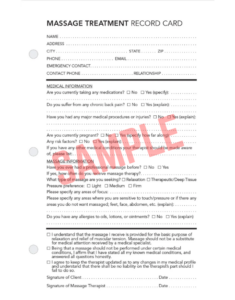
- Maintain detailed records of all risk assessments, incident reports, training sessions, and maintenance logs.
- Schedule regular reviews of your entire risk management system, at least annually or whenever significant changes occur.
Proactive risk management is more than just ticking boxes; it’s about embedding a culture of safety throughout your entire business. By systematically identifying potential dangers and putting robust controls in place, you not only protect your team and clients but also build a reputation as a responsible and trustworthy establishment. This commitment to safety fosters confidence, strengthens loyalty, and ultimately contributes to the long-term success and growth of your salon.
Embracing this methodical approach ensures that your salon remains a welcoming haven of beauty and relaxation, free from preventable incidents. It empowers you to navigate the complexities of running a business with peace of mind, knowing that you have done everything possible to safeguard everyone under your care. A safe salon is a thriving salon, where creativity flourishes and clients return again and again, assured of their well-being.