Managing a cattle herd efficiently requires more than just daily feeding and care; it demands meticulous record-keeping, especially when it comes to breeding. A well-designed cattle breeding record template isn’t just a collection of notes; it’s a powerful tool that can transform how you manage your livestock, helping you make informed decisions, track progress, and ultimately improve your herd’s productivity and profitability. Think of it as the DNA of your farm’s future success, guiding your breeding strategies with data, not just guesswork.
Without proper records, you might find yourself guessing calving dates, wondering which bull sired which calf, or struggling to remember vaccination schedules. This can lead to missed opportunities, unnecessary stress, and even significant financial losses. Accurate records provide a clear picture of each animal’s history, health, and performance, allowing you to identify your best breeders, spot potential problems early, and plan for future generations with confidence.
This article will delve into the critical components of an effective breeding record system, exploring what details you should track, why they matter, and how to choose a system that fits your operation. Whether you’re a seasoned rancher or just starting out, understanding the nuances of breeding records is fundamental to building a healthy, productive, and sustainable herd.
The Essentials of a Comprehensive Breeding Record System
A truly comprehensive breeding record system goes far beyond just noting when a cow was bred. It encapsulates a holistic view of each animal’s life cycle relevant to reproduction and overall herd health. From individual identification to offspring performance, every piece of data contributes to a richer understanding of your herd’s genetic potential and operational efficiency. It’s about building a story for each animal that helps you make proactive, data-driven decisions.
Individual Animal Identification and History
The foundation of any good record system is the unique identification of each animal. This typically includes a unique ID number (like an ear tag or tattoo), the animal’s name, its date of birth, and its pedigree – specifically, the dam and sire. Knowing who an animal’s parents are is crucial for tracking genetic lines, avoiding inbreeding, and understanding inherited traits. Beyond the basics, recording purchase dates or origin if the animal wasn’t born on your farm, helps complete their individual history profile.
Breeding Event Records
This section is the core of the breeding template. You’ll want to meticulously record every breeding event. Key details include the date of breeding, the method used (natural service, artificial insemination, or embryo transfer), and the specific sire involved. If using AI, note the specific AI straw’s information. It’s also vital to record pregnancy check dates and results, along with the expected calving date. Tracking heat cycles and re-breedings gives you insight into fertility issues and helps fine-tune your breeding windows.
Calving and Offspring Records
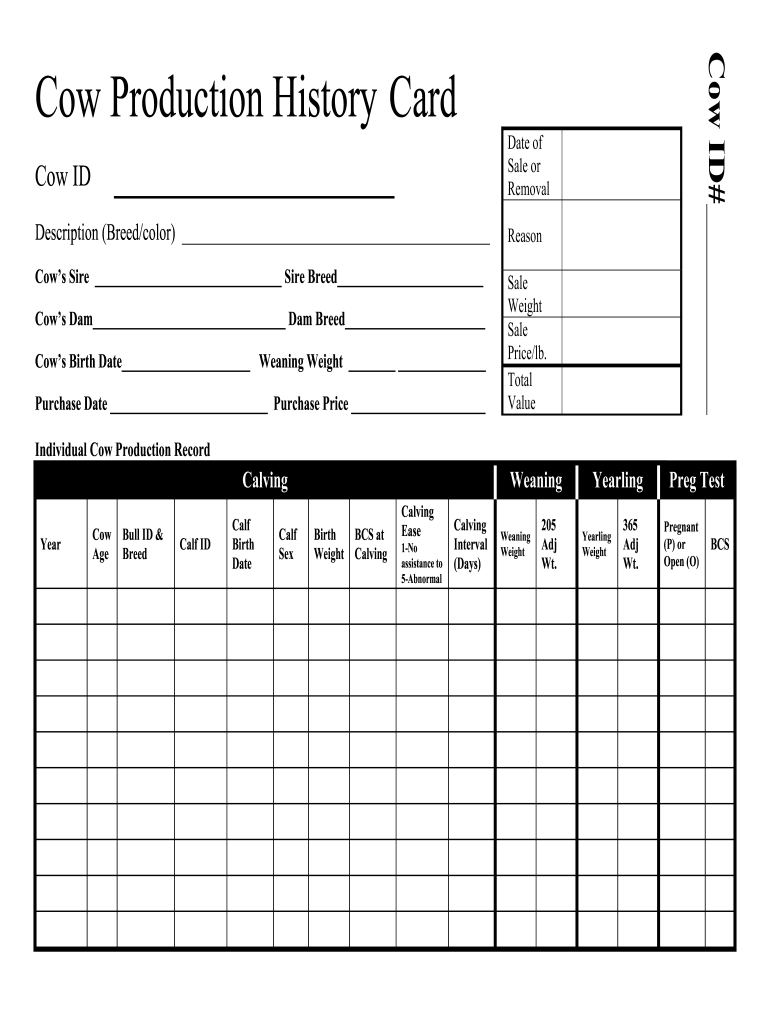
Once a calf arrives, a new set of critical data emerges. Record the exact calving date, the calf’s ID, sex, and birth weight. Note any calving difficulties and the calf’s initial health status. Tracking the dam’s mothering ability, milk production assessment, and the calf’s initial vigor are also valuable. These early records are crucial for evaluating the dam’s productivity and the calf’s potential, contributing to future culling or retention decisions.
Health and Veterinary Records
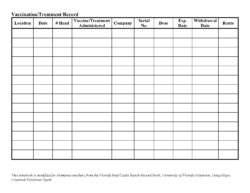
Reproductive success is inextricably linked to overall animal health. Your breeding records should integrate with or at least reference health records. This includes dates of vaccinations, deworming, and any treatments administered, especially those that might affect fertility or gestation. Noting any illnesses or injuries, particularly those involving the reproductive system, provides context for breeding performance and helps in managing herd health proactively. An animal repeatedly experiencing health issues affecting breeding might need to be evaluated for culling.
Performance and Weaning Data
Beyond birth, tracking the calf’s growth and performance is key. Weaning weights and dates are fundamental for evaluating maternal efficiency and calf growth rates. Subsequent weight records, especially at yearling age, can provide further insights into genetic potential for growth. For dairy operations, milk production records directly impact the value of a breeding animal. This data allows you to identify your most productive cows and the sires that produce the best offspring.
Choosing and Implementing Your Breeding Record System
When it comes to selecting a system for your cattle breeding record template, you essentially have two main paths: traditional paper-based systems or modern digital solutions. Both have their merits, and the best choice often depends on the scale of your operation, your comfort with technology, and your specific needs. The most important thing is to choose a system you’re committed to using consistently.
Paper templates are straightforward, require no special equipment other than a pen and binder, and can be easily taken into the field. They are great for quick notes and smaller herds. However, they can be prone to loss or damage, and compiling data for analysis can be time-consuming. Digital solutions, on the other hand, range from simple spreadsheets to sophisticated farm management software. These offer powerful data analysis capabilities, easy backups, and accessibility from multiple devices. They can help you quickly sort, filter, and generate reports, making it much easier to identify trends or individual animal performance. The initial setup and learning curve can be steeper, but the long-term benefits in efficiency and insights are often substantial.
Regardless of whether you choose paper or digital, the key to success lies in consistent and accurate data entry. Designate a specific person or process for recording information immediately after an event occurs, whether it’s a breeding, calving, or veterinary visit. Regular review of your records is also crucial. Schedule dedicated time to analyze the data, looking for patterns in fertility, calving ease, growth rates, and overall herd health. This proactive approach turns raw data into actionable insights, helping you refine your breeding program year after year.
Diligent record-keeping isn’t just about complying with regulations or having data for data’s sake; it’s a strategic imperative for any successful cattle operation. By meticulously tracking every aspect of your breeding program, you gain unparalleled clarity into the productivity of your animals, allowing you to make smarter culling decisions, select superior breeding stock, and ultimately elevate the genetic potential of your entire herd. It’s an investment in the future, paying dividends through increased efficiency and profitability.
Embracing a systematic approach to your breeding records ensures you’re always operating with the best possible information at your fingertips. By leveraging a comprehensive template and committing to regular updates, you’ll be well-equipped to navigate the complexities of cattle breeding, build a more resilient herd, and secure a brighter, more productive future for your farm. Start today, and watch your breeding program thrive!