Managing multiple credit card payments can sometimes feel like a juggling act. With different due dates, minimum amounts, and interest rates, it is easy to get overwhelmed and potentially miss a payment. This stress not only impacts your peace of mind but can also have real consequences for your financial health, including late fees and a ding on your credit score.
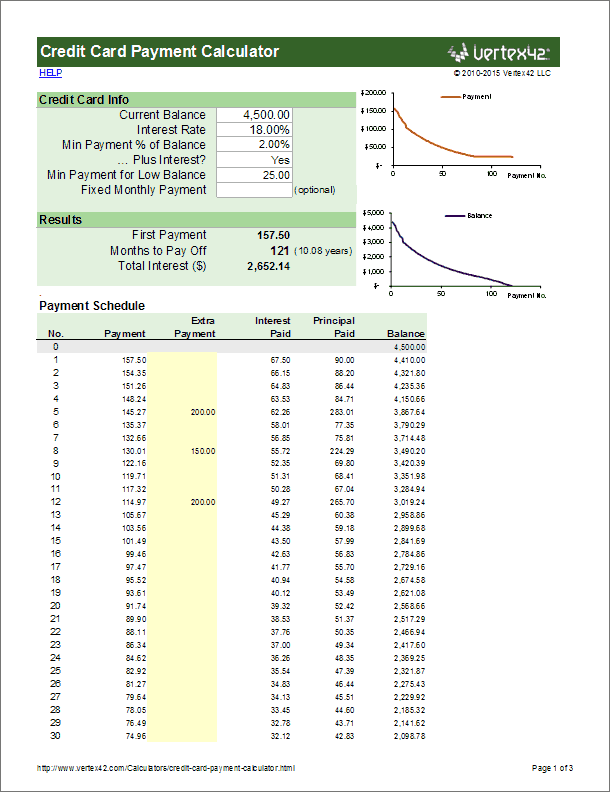
Imagine having a clear, concise overview of all your credit card obligations in one place. That is exactly what a credit card payment schedule template can offer. It is a simple yet incredibly powerful tool designed to bring order to your financial life, helping you stay on track, avoid late fees, and work towards a debt-free future with confidence.
Why a Credit Card Payment Schedule Template is Your Financial Lifeline
Dealing with credit card debt is a common challenge, and the first step to overcoming it is often gaining clarity and control over your payments. Without a structured approach, it is all too easy to forget a due date or underestimate the total amount you need to pay across all your cards. This can lead to a cycle of minimum payments, accumulating interest, and feeling like you are constantly playing catch-up. A dedicated payment template cuts through this confusion, providing a single source of truth for your credit card obligations.
This systematic approach empowers you to proactively manage your finances rather than reactively responding to bills as they arrive. By seeing all your payment information laid out, you can anticipate upcoming expenses, allocate funds more effectively, and even identify opportunities to pay more than the minimum, which can significantly reduce interest paid over time and accelerate your debt repayment journey. It is about transforming a potentially chaotic process into a manageable and even empowering routine.
Beyond just avoiding late fees, consistently making on-time payments, even if they are just the minimums, is crucial for building and maintaining a healthy credit score. Your payment history is the most significant factor in your credit score calculation. A credit card payment schedule template helps ensure that positive payment history is a consistent part of your financial record, paving the way for better interest rates on future loans and overall financial opportunities.
Essential Elements of a Robust Template
- Card Name and Account Number
- Minimum Payment Due
- Statement Due Date
- Actual Payment Date Planned
- Amount Paid (beyond minimum)
- Remaining Balance
- Notes or Strategy (e.g., “Debt Snowball Priority”)
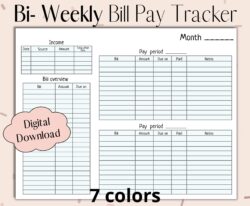
These key elements allow you to not only track what is due but also to strategically plan how you will pay it. By including the “Actual Payment Date Planned,” you can ensure you send payments several days before the due date, accounting for processing times. The “Amount Paid” column encourages you to exceed the minimum when possible, and “Notes or Strategy” helps you stick to a specific debt reduction method, such as the debt snowball or avalanche method.
How to Create and Maximize Your Credit Card Payment Schedule Template
Creating your own credit card payment schedule template does not require advanced financial expertise or complex software. You can easily set one up using a simple spreadsheet program like Google Sheets or Microsoft Excel, or even just a notebook if you prefer a tangible approach. The most important aspect is consistency in how you populate and update it, ensuring it always reflects your current financial situation.
Start by gathering all your credit card statements. For each card, you will want to input the essential information into your chosen template. This includes the card issuer’s name, the last few digits of the account number for easy identification, the minimum payment required, and the exact due date. Do this for every single credit card you hold, even if some have zero balances; it is good practice to keep them all in view.
Once you have all your cards listed, it is time to devise your payment strategy. Are you aiming to pay off the card with the highest interest rate first (debt avalanche), or would you prefer the motivational boost of paying off the smallest balance first (debt snowball)? Your template is the perfect place to note this strategy. Then, assign specific payment dates and amounts. It is often wise to schedule payments a few days before the actual due date to avoid any last-minute issues.
- Gather all your credit card statements, digital or physical.
- List each card’s details: name, account number, minimum payment, and due date.
- Decide on your debt repayment strategy: debt avalanche (highest interest first) or debt snowball (smallest balance first).
- Set realistic payment amounts for each card, aiming to pay more than the minimum when possible.
- Schedule automated payments or set up calendar reminders to ensure no due dates are missed.
- Review and update your template monthly as new statements arrive and balances change.
Regularly reviewing and updating your template is crucial for its effectiveness. As you make payments, balances will change, and new minimums and due dates will appear on your monthly statements. Take a few minutes each month to cross-reference your template with your latest statements, making any necessary adjustments. This habit ensures your credit card payment schedule template remains an accurate and powerful tool in your ongoing journey towards financial control.
Taking charge of your credit card payments through a structured schedule can truly transform your financial well-being. It moves you from a reactive stance to a proactive one, reducing stress and empowering you to make informed decisions about your money. By regularly using and updating your payment schedule, you build a consistent habit of financial responsibility that pays dividends for years to come.
Embrace the clarity and control that a well-maintained payment schedule offers. It is a fundamental step toward mastering your finances, achieving your debt repayment goals, and ultimately enjoying the peace of mind that comes with knowing exactly where you stand with your credit obligations. Start building yours today and experience the positive shift in your financial journey.