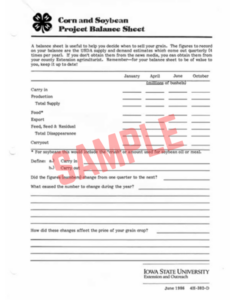
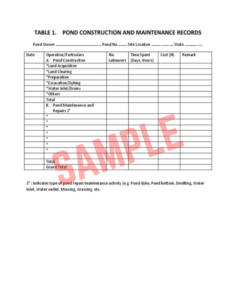
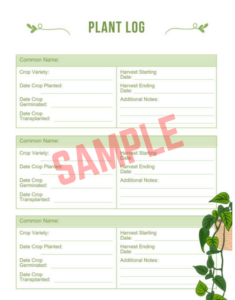
Managing a farm, big or small, involves countless decisions, from choosing the right seeds to determining the perfect harvest time. To truly optimize your operations and understand what works best for your land, having a structured way to track everything is essential. That’s where a well-designed crop production record template comes into play, offering a clear and organized system for documenting every stage of your farming cycle.
Think about the sheer volume of information a farmer juggles daily. Weather patterns, soil conditions, fertilizer applications, pest observations, labor hours, and machinery use all contribute to the final yield. Without a systematic approach, recalling specific details from a previous season to inform current decisions can feel like searching for a needle in a haystack. This often leads to repeating mistakes or missing opportunities for improvement.
By meticulously documenting your farming activities, you’re not just creating a historical log; you’re building a powerful analytical tool. These records empower you to identify trends, evaluate the effectiveness of different strategies, and make data-driven choices that enhance productivity and profitability. It’s about turning your experiences into actionable insights for a more sustainable and successful future.
What Should Your Crop Production Record Template Include?
Pre-Planting and Planning Information
A robust crop production record template begins long before the first seed touches the soil. It should capture essential planning details that set the stage for the entire season. This includes identifying the specific field or plot where the crop will be grown, noting the soil type and its recent test results, and recording any pre-planting treatments like cover cropping or soil amendments. Documenting the previous crop grown in that specific area is also crucial, as it can significantly influence nutrient availability and potential pest pressures for the current season. Don’t forget to include the intended crop variety and its specific characteristics.
Beyond the physical aspects of the land, planning involves strategic decisions about inputs. Your template should have space for recording the exact type and amount of fertilizers, herbicides, and pesticides you plan to use, along with their application dates and methods. Even the source of your seeds or seedlings, including their lot numbers and certifications, can be vital information for traceability and quality control. This initial detailed capture ensures you have a baseline for comparison later.
Planting and Early Growth Stages
Once the planning is complete, the template shifts to documenting the actual planting process. Key details here include the precise planting date, the method used (e.g., direct seeding, transplanting), row spacing, and planting depth. The population density, or the number of plants per acre, is another critical metric that directly impacts potential yield. Any specific weather conditions during planting, such as temperature or recent rainfall, should also be noted as these can influence germination and early establishment.
As the young plants emerge and begin their growth, regular observations become incredibly valuable. Your template should allow for recording emergence rates, early vigor, and any signs of stress or nutrient deficiencies. These early observations can alert you to potential problems before they escalate, giving you time to implement corrective measures. Tracking the first few weeks of growth provides crucial insights into how well your planting strategy performed.
Ongoing Crop Management and Interventions
Throughout the growing season, a lot happens, and all of it needs to be recorded. This section of your template should detail every significant intervention. This includes all fertilizer applications, specifying the product, amount, method, and date. Similarly, any irrigation events, including the amount of water applied and the duration, are vital for understanding water usage efficiency. Recording dates of cultivation, weeding, or pest scouting also adds to a comprehensive picture.
Pest and disease management is another cornerstone of successful crop production. Your template needs dedicated sections for documenting any pest or disease outbreaks, the identification of the specific issue, the severity of the infestation, and the exact treatments applied. This includes pesticide applications, biological controls, or cultural practices. Understanding what worked and what didn’t in combating these threats is invaluable for future seasons.
Harvest and Post-Harvest Analysis
Finally, the moment of truth arrives: harvest. The crop production record template should capture all critical harvest data. This includes the exact harvest date, the method used (manual, mechanical), and the specific field or plot from which the crop was harvested. Most importantly, it needs to meticulously record the total yield, often expressed in weight or volume per unit area. This is the primary metric for evaluating the success of the season.
Beyond just the raw yield, consider documenting the quality of the harvested crop, such as size, grade, moisture content, or any observable defects. Information about storage conditions, if applicable, and the initial sales or distribution details can also be incredibly useful for a complete picture. This comprehensive data allows you to perform a thorough post-season analysis, comparing actual outcomes against your initial plans and identifying areas for celebration and improvement.
Beyond Record Keeping: The Power of a Comprehensive Template
While the immediate benefit of a crop production record template is organized data, its true power lies in how that data can transform your farming practices. These detailed records provide an invaluable foundation for making smarter, more informed decisions for every aspect of your farm. Imagine being able to pinpoint exactly which fertilizer application timing yielded the best results, or which pest control method proved most effective against a specific type of insect in your particular field. This level of insight moves you from guesswork to strategic action.
Moreover, consistent and accurate record-keeping simplifies several other crucial aspects of farm management, extending its utility far beyond just historical notes. It serves as a vital tool for:
-
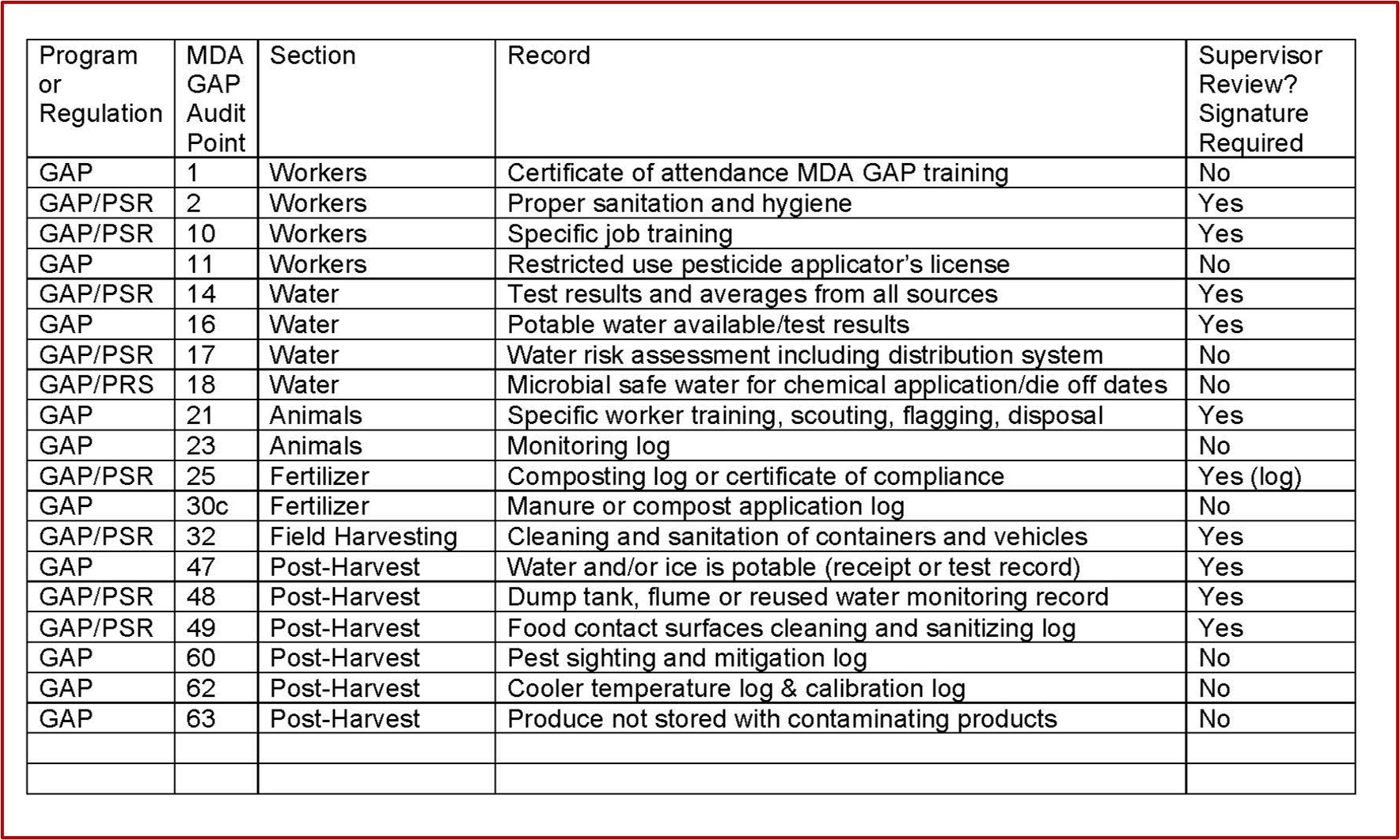
Compliance and Certification: Many agricultural programs, subsidies, and organic certifications require meticulous records of all farming activities, especially regarding input usage and traceability. A well-maintained template makes audits and reporting a breeze.
-
Financial Analysis and Budgeting: By tracking inputs, labor, and yields, you gain a clear understanding of your cost of production per unit. This data is essential for setting realistic budgets, pricing your produce effectively, and identifying areas where you can reduce expenses or increase efficiency to boost your profit margins.
-
Risk Management: In the face of unpredictable weather or market fluctuations, detailed records can help you assess past risks and develop better mitigation strategies. For instance, understanding the historical impact of late frosts on specific varieties can inform your planting choices for the next season.
-
Sharing Knowledge and Training: If you have employees or are passing on the farm to the next generation, a robust crop production record template provides an invaluable training resource, encapsulating years of accumulated knowledge and best practices specific to your operation.
Ultimately, a comprehensive crop production record template isn’t just a document; it’s an investment in the longevity and prosperity of your farm. It fosters a culture of continuous improvement, allowing you to learn from every season, adapt to changing conditions, and cultivate a more resilient and productive agricultural enterprise. Adopting and diligently maintaining such a system can be one of the most impactful decisions you make for your farming future.
Embracing a systematic approach to documenting your farming journey is a powerful step towards greater efficiency and success. While it might seem like an extra task initially, the long-term benefits of clear, accessible data far outweigh the effort. Start simple, populate your records consistently, and watch as patterns emerge and insights reveal themselves, empowering you to cultivate smarter.
Having a dedicated crop production record template at your fingertips provides a framework for growth, allowing you to fine-tune your practices, respond proactively to challenges, and ultimately achieve better yields and financial stability. It’s a tool that supports not just the current season, but every harvest yet to come, guiding your farm towards a flourishing future.