Managing your business’s assets effectively is crucial for financial health and accurate reporting, but let’s be honest, it can sometimes feel like navigating a complex maze. From the moment you acquire a new piece of equipment to its eventual retirement, tracking its value over time is not just good practice; it’s a fundamental requirement. This is where the concept of depreciation comes into play, reflecting how an asset’s value diminishes with use and age.
For many businesses, keeping tabs on this decline, especially across numerous assets, can be a time-consuming chore if not handled systematically. That’s why having a reliable fixed asset depreciation schedule template isn’t just a convenience; it’s an essential tool that brings clarity, consistency, and compliance to your financial records. It helps you accurately reflect your company’s true financial standing and make informed decisions.
Why Every Business Needs a Fixed Asset Depreciation Schedule
Every company, regardless of its size or industry, relies on fixed assets—things like machinery, vehicles, office furniture, and even buildings—to operate. These assets are vital for generating revenue, but unlike expenses such as salaries or utilities, their cost isn’t fully expensed in the year they are purchased. Instead, their cost is spread out over their useful life, and this process is known as depreciation. It’s essentially an accounting method that allows businesses to allocate the cost of a tangible asset over its useful life.
Think of it this way: when you buy a new company car, you wouldn’t expect its full value to be written off in the first year, as it will continue to provide benefits for several more years. Depreciation allows you to match the expense of using that asset with the revenue it helps generate over time. This systematic reduction in an asset’s recorded cost helps prevent distortions in a company’s financial statements, ensuring that the cost of using the asset is recognized in the period it contributes to operations.
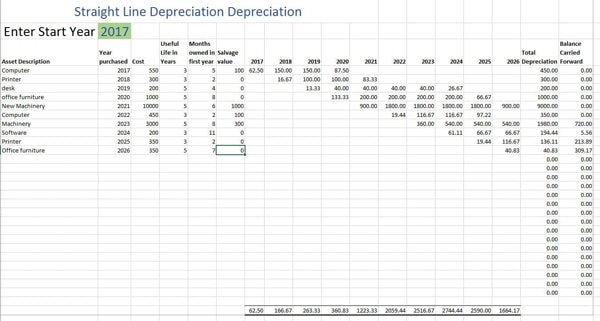
Without a structured way to manage this, you risk misstating your company’s profitability and asset values. A comprehensive fixed asset depreciation schedule template provides a clear, organized framework for tracking each asset, its initial cost, its useful life, and how much it depreciates each year. This level of detail is invaluable for maintaining accurate financial records and making smart business decisions about asset replacement and investment. It takes the guesswork out of complex calculations and ensures consistency across your asset portfolio.
Key Benefits of Using a Depreciation Schedule:
- Accurate Financial Reporting: It ensures your balance sheet and income statement accurately reflect the true value of your assets and your company’s profitability, complying with accounting standards.
- Tax Compliance and Planning: A well-maintained schedule is crucial for correctly calculating tax deductions related to depreciation, potentially leading to significant tax savings and avoiding penalties.
- Better Budgeting and Forecasting: Understanding the depreciation of your assets helps you plan for future capital expenditures, anticipating when assets will need replacement and budgeting accordingly.
- Strategic Asset Management: By seeing the remaining value and useful life of assets, you can make informed decisions about maintenance, upgrades, or disposal, optimizing your asset utilization.
Components of an Effective Fixed Asset Depreciation Schedule Template
When you’re looking to implement or improve how your business tracks its long-term assets, understanding what makes a fixed asset depreciation schedule template truly effective is key. It’s more than just a table; it’s a comprehensive tool designed to streamline a critical financial process. A well-designed template should be robust enough to handle various asset types and depreciation methods while remaining straightforward to use. It needs to capture all the essential details that contribute to accurate financial reporting and compliance.
At its core, an effective template should begin by listing each individual fixed asset. For each asset, you’ll want to record fundamental information such as its unique asset ID number, a clear description of the asset, the date it was acquired, its original cost, and its estimated useful life. Equally important is the salvage value, which is the estimated residual value of the asset at the end of its useful life. These foundational data points are the building blocks upon which all depreciation calculations are based and are indispensable for maintaining precise records.
The next critical element involves the depreciation method used for each asset. There isn’t a one-size-fits-all approach, as different assets and accounting standards might require different methods. A good template allows for flexibility and clarity in applying these methods. Having this detail clearly documented within your fixed asset depreciation schedule template ensures transparency and adherence to your chosen accounting policies.
Common depreciation methods include:
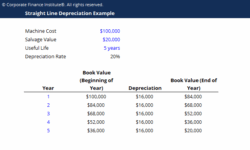
- Straight-Line Depreciation: The simplest method, it allocates an equal amount of depreciation expense to each period over the asset’s useful life.
- Declining Balance Method: Accelerates depreciation, meaning larger amounts are expensed in the earlier years of an asset’s life and smaller amounts in later years.
- Sum-of-the-Years’ Digits (SOYD): Another accelerated method that results in a higher depreciation expense in the early years of an asset’s life.
- Units of Production: Depreciation is based on the actual usage of the asset, such as machine hours or units produced, rather than time.
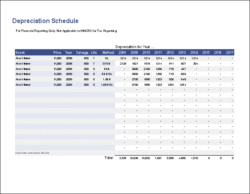
Finally, the template should logically present the annual depreciation expense for each asset, the accumulated depreciation over time, and the asset’s remaining book value at the end of each fiscal period. This allows for a clear, year-by-year snapshot of an asset’s declining value and provides a running total of its worth on your balance sheet. Regularly updating and reviewing this schedule ensures that your financial statements always reflect the most current and accurate picture of your business’s fixed assets.
Adopting a systematic approach to managing your fixed assets through a dedicated depreciation schedule is more than just good accounting; it’s a smart business strategy. It equips you with the insights needed to maintain financial accuracy, navigate tax complexities, and plan for future investments with confidence. By embracing such a tool, you’re not just tracking numbers; you’re building a clearer, more robust financial future for your organization, ensuring every asset contributes optimally to your success.