Keeping your forklifts running smoothly is essential for any busy operation. At the heart of most industrial forklifts lies a powerful, yet demanding, lead-acid battery. These workhorses require specific care to maintain their performance and longevity, and perhaps the most critical aspect of that care is proper watering. It’s not just about topping them off when you remember; it’s about a consistent, well-managed process that directly impacts your equipment’s efficiency and your bottom line.
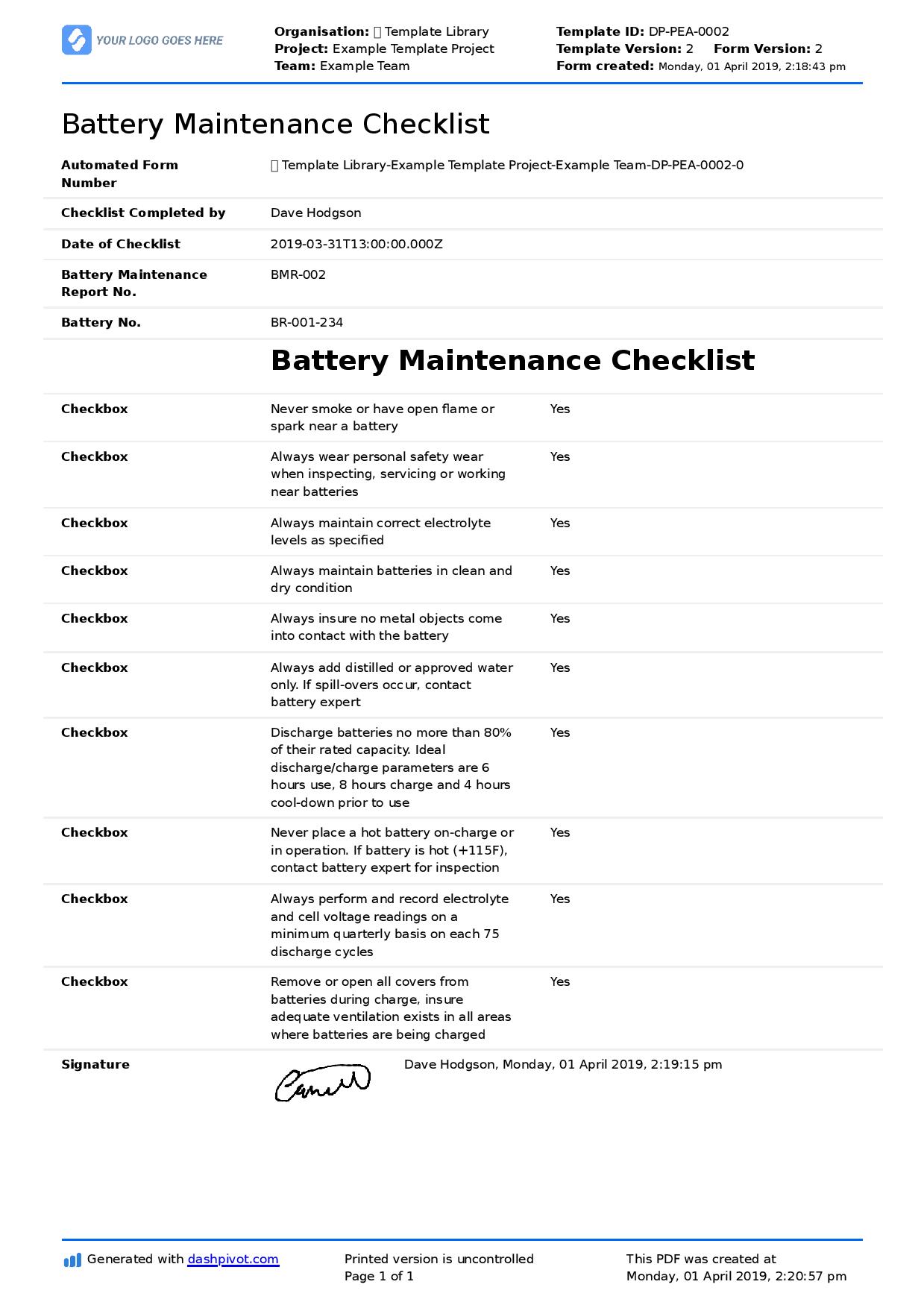
Neglecting your forklift batteries can lead to costly downtime, premature replacement, and even safety hazards. Just like a finely tuned engine needs regular oil changes, a forklift battery thrives on a disciplined watering routine. This is where having a structured approach, like utilizing a dedicated forklift battery watering schedule template, becomes invaluable. It transforms a potentially haphazard task into a streamlined, accountable part of your operational maintenance, ensuring your fleet remains powered and productive.
The Undeniable Importance of Regular Battery Watering
Forklift batteries are complex electrochemical devices. When a battery discharges, the lead plates react with the sulfuric acid electrolyte to produce electricity. During charging, this process reverses, and a small amount of water (H2O) breaks down into hydrogen and oxygen gas, which escapes the battery. This natural phenomenon, known as gassing, means that the electrolyte level gradually drops over time. If not replenished, the acid concentration becomes too high, and the lead plates can become exposed to air, leading to irreversible damage called sulfation.
Improper watering—whether too much or too little—can severely impact battery health. Under-watering leaves the plates exposed, leading to sulfation, reduced capacity, and a significantly shortened lifespan. Over-watering, on the other hand, can cause the electrolyte to overflow during charging, leading to corrosion of the battery case and surrounding equipment, creating a safety hazard, and diluting the acid, which also reduces battery performance. Finding that sweet spot requires consistency and attention to detail.
A well-maintained battery provides consistent power, charges efficiently, and delivers a full shift of operation. Conversely, a neglected battery will struggle to hold a charge, lose capacity rapidly, and force early replacements, incurring substantial costs. That’s why proactive maintenance, guided by tools like a forklift battery watering schedule template, isn’t just a suggestion; it’s a critical component of smart fleet management. Such a template ensures that every battery gets the attention it needs, when it needs it, preventing minor issues from escalating into major expenses.
Beyond performance and cost, safety is a paramount concern. Over-watering can lead to acid spills, which are corrosive and dangerous for personnel. Under-watered batteries can overheat during charging, posing a fire risk. A structured watering schedule helps mitigate these risks by ensuring proper electrolyte levels are maintained, contributing to a safer working environment for everyone involved. It’s a simple preventative measure with far-reaching positive impacts.
Key Elements for Your Watering Schedule Template
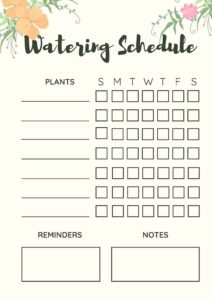
- Battery Identification: A unique ID for each battery.
- Watering Frequency: How often the battery needs checking and watering (e.g., weekly, bi-weekly).
- Last Watered Date: The date of the previous watering.
- Next Scheduled Watering: The planned date for the next watering.
- Water Level Check: A clear indication of whether water was added or not.
- Specific Gravity Reading: (Optional but recommended) After watering and charging, for a deeper diagnostic.
- Technician Initials: Who performed the maintenance for accountability.
- Notes/Observations: Any unusual findings or actions taken.
Implementing Your Battery Watering Schedule Effectively
Successfully implementing a forklift battery watering schedule template starts with understanding your specific fleet and operational demands. Factors such as the age of your batteries, their usage intensity (single-shift, multi-shift), and the charging cycles they undergo will all influence the optimal watering frequency. Batteries used more heavily will naturally consume water at a faster rate and require more frequent checks. Begin by establishing a baseline, perhaps by checking weekly, and then adjust based on observed water consumption rates.
Proper technique is just as important as proper timing. Always ensure batteries are watered *after* they have been fully charged. Watering a discharged battery can lead to overfilling and subsequent acid overflow during the gassing phase of the next charge. Use only distilled or deionized water, as tap water contains minerals that can contaminate the electrolyte and build up on the plates, significantly reducing battery capacity and life. Wear appropriate personal protective equipment (PPE), including safety glasses, acid-resistant gloves, and a face shield, to protect against potential splashes.
Training your personnel is crucial for consistent success. Everyone responsible for battery maintenance should be thoroughly educated on the importance of the watering schedule, the correct procedures for checking and adding water, and the safety protocols involved. Regular refreshers can help reinforce best practices and ensure that new staff members are up to speed. Emphasize the long-term benefits of adhering to the schedule, helping them understand their role in prolonging battery life and maintaining operational efficiency.
Integrate the forklift battery watering schedule template directly into your daily or weekly maintenance routines. Make it a visible, non-negotiable part of the process. Whether it’s a physical clipboard or a digital record, ensure it’s easily accessible and regularly updated. Consistent record-keeping not only ensures that no battery is overlooked but also provides valuable data over time, allowing you to identify trends, troubleshoot issues, and optimize your maintenance strategy further. This systematic approach ensures your batteries receive the precise care they need, fostering a more reliable and efficient operation.
By consistently following a well-designed watering protocol, you’re not just performing a chore; you’re investing in the longevity and peak performance of your entire forklift fleet. This dedicated effort translates directly into fewer unexpected breakdowns, extended battery life, and significant cost savings over time. Moreover, it contributes to a safer working environment by preventing the hazards associated with improperly maintained batteries.
Ultimately, a proactive and organized approach to battery care ensures your equipment is always ready when you are, eliminating unnecessary downtime and maintaining high productivity levels. Embracing a structured maintenance plan, particularly for something as fundamental as battery watering, reinforces efficient operations and secures your assets for years to come.