In our increasingly interconnected world, where technology touches almost every aspect of our lives, the concept of fundamental rights has gained even greater importance. From the way we communicate to how we access services and information, digital systems are constantly evolving. While these advancements bring immense benefits, they also carry the potential to inadvertently impact human rights, sometimes in subtle ways that are hard to foresee without careful consideration.
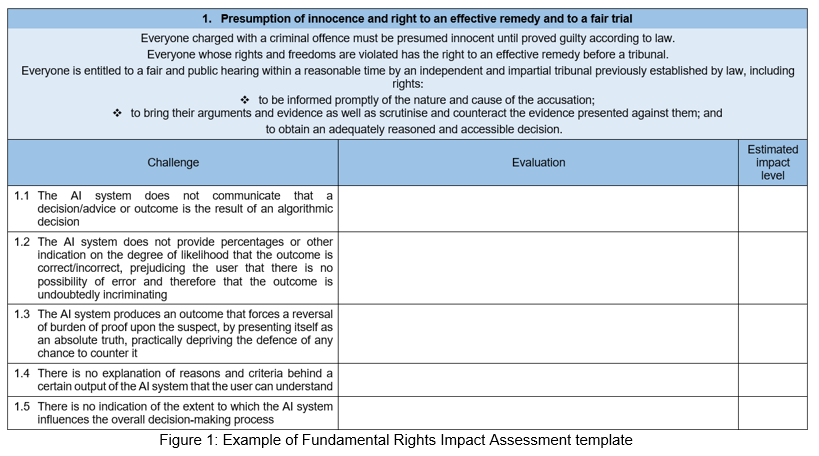
This is where a proactive approach becomes not just beneficial, but essential. Organizations, whether they are developing new software, implementing AI solutions, or simply collecting and processing personal data on a large scale, have a responsibility to ensure their operations uphold fundamental freedoms. A well-structured framework, like a fundamental rights impact assessment template, provides the necessary roadmap to identify, evaluate, and mitigate potential risks before they materialize, fostering trust and ensuring ethical innovation.
Why a Fundamental Rights Impact Assessment is Crucial Today
The landscape of digital technology is expanding at an unprecedented pace, and with it, the potential for complex interactions with human rights. Consider the European Union’s General Data Protection Regulation (GDPR) or the upcoming Artificial Intelligence Act; these legislative frameworks highlight a global trend towards greater accountability. Beyond compliance, a fundamental rights impact assessment is a critical tool for any organization committed to ethical operations. It moves beyond merely avoiding legal penalties, aiming instead to genuinely protect individuals and build a reputation for responsible innovation.
Think about how an automated decision-making system might inadvertently lead to discrimination, or how large-scale data collection could impinge on privacy. Without a structured assessment process, these potential harms might go unnoticed until it is too late, causing significant damage to individuals and to the organization’s credibility. The goal is to anticipate these scenarios and build safeguards from the outset, integrating rights considerations into the design phase of any project.
Key Areas of Concern
When undertaking an assessment, several core fundamental rights frequently emerge as key areas of focus. The right to privacy and data protection is almost always at the forefront, especially given the vast amounts of personal information gathered and processed today. But it extends much further, encompassing the right to non-discrimination, ensuring that algorithms or systems do not create or perpetuate unfair biases against certain groups or individuals.
Furthermore, rights such as freedom of expression and information become relevant when platforms moderate content or restrict access to information. The right to an effective remedy and due process means individuals should have a way to challenge decisions made by automated systems that affect them. Ultimately, considerations around human dignity and autonomy underpin the entire exercise, ensuring that technology serves humanity, rather than diminishing it.
Proactively addressing these concerns through a thorough assessment not only helps avoid legal and reputational damage but also fosters innovation that is truly beneficial and trustworthy. It allows organizations to demonstrate a tangible commitment to ethical principles, building stronger relationships with their users, customers, and the broader community.
Building Your Own Fundamental Rights Impact Assessment Template
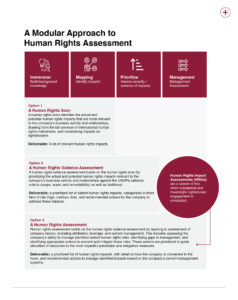
Creating an effective fundamental rights impact assessment template doesn’t have to be an overwhelming task. It begins with a structured, step-by-step approach that guides you through the process of identifying, analyzing, and mitigating potential rights infringements. The core idea is to embed human rights considerations into your project lifecycle, rather than treating them as an afterthought. A robust template acts as a checklist and a guide, ensuring no critical aspect is overlooked.
Start by defining the project or system you are assessing. What is its purpose? Who are the intended users? What data will it process? This foundational understanding is crucial. Next, identify all relevant fundamental rights that could potentially be impacted, considering the specific context of your project and the diverse groups of people it might affect. This phase often requires looking beyond obvious data privacy concerns and considering broader societal implications.
The heart of any template lies in its analytical sections, prompting you to systematically evaluate how the project might affect each identified right. This involves describing potential impacts, assessing their likelihood and severity, and categorizing them to prioritize attention. A good template will also guide you in proposing concrete mitigation measures, such as redesigning features, implementing transparency mechanisms, or establishing grievance procedures.
-
Phase 1: Project Definition
Clearly outline the project or system being assessed, including its purpose, objectives, and the scope of its operation. Understand who the beneficiaries and potentially affected individuals are.
-
Phase 2: Rights Identification
List all potentially relevant fundamental rights that could be impacted by the project. Consider international, regional, and national human rights frameworks and their applicability.
-
Phase 3: Impact Analysis
Describe how the project could affect each identified right. Assess the likelihood of these impacts occurring and their potential severity. Categorize impacts to prioritize responses.
-
Phase 4: Mitigation and Remediation
Propose concrete measures to avoid or reduce negative impacts. Develop a plan for ongoing monitoring and review of the project’s impact over time. Establish clear accountability for implementation.
Finally, your template should include sections for documenting the chosen mitigation strategies, assigning responsibilities, and planning for ongoing monitoring and review. A fundamental rights impact assessment template is a living document, meaning it should be revisited and updated as your project evolves or as new information comes to light. This continuous engagement ensures that fundamental rights remain at the core of your operational philosophy.
In an era defined by rapid technological advancements, proactively safeguarding fundamental rights is no longer an optional add-on but a core component of responsible development and operation. Organizations that embrace this ethos stand to gain not only in terms of compliance but also in building enduring trust with their stakeholders. It is about fostering an environment where innovation thrives hand-in-hand with ethical considerations, creating solutions that truly serve humanity.
By systematically identifying potential risks and implementing thoughtful mitigation strategies, we can ensure that our digital future is one that respects and upholds the inherent dignity and freedoms of all individuals. A structured approach, guided by a well-designed assessment, empowers us to navigate the complexities of modern technology with clarity and responsibility, paving the way for a more equitable and human-centric digital world.