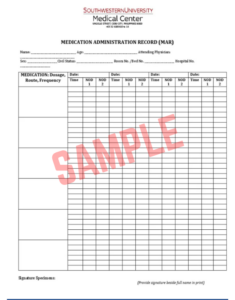
Keeping track of your goats’ health might seem like a daunting task, especially when your herd starts to grow, but it’s genuinely one of the most impactful things you can do for their well-being. This is where a well-designed goat health record template becomes an invaluable tool, transforming scattered notes into an organized, actionable resource that empowers you to make informed decisions about your animals.
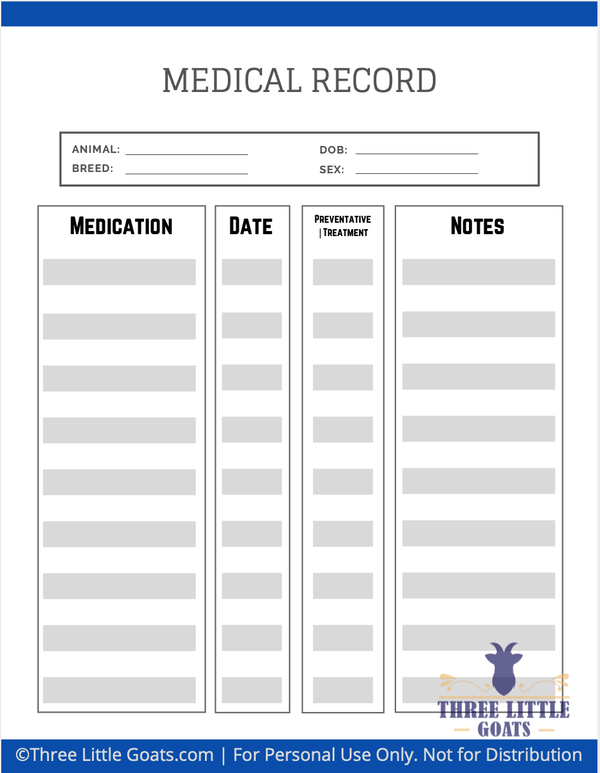
Imagine being able to quickly recall the last time a specific goat was dewormed, which medication was used, and if it was effective. Or perhaps you need to provide a veterinarian with a comprehensive history of an animal’s symptoms and treatments. Without detailed records, these crucial pieces of information can be lost to memory or scribbled on various papers, leading to potential delays in treatment or less effective care.
Good record-keeping isn’t just about reacting to problems; it’s about proactive management. It allows you to spot trends, anticipate seasonal issues, and implement preventative measures that keep your entire herd healthier and happier in the long run. Let’s dive into why these records are so vital and what makes a template truly effective.
Why a Detailed Goat Health Record is Your Best Farm Ally
Think of your goat health record as the backbone of your herd management strategy. It’s not just a collection of dates and treatments; it’s a living document that tells the story of each animal’s health journey, providing insights that can save you time, money, and most importantly, stress. Having this information readily available helps you respond quickly to health changes and ensures consistent care.
Key Information to Track for Each Goat
Every good record starts with the basics. For each goat, you’ll want to note down their unique identification (ear tag number, name, tattoo), their breed, birth date, and whether they are male or female. Knowing their parentage, if available, can also be incredibly useful for understanding genetic predispositions or tracking family lines for breeding purposes.
Monitoring Health Events and Treatments
This section is perhaps the most critical. You should meticulously record any signs of illness or injury, the date it occurred, the symptoms observed, and the specific treatment administered. Don’t forget to include the dosage, duration of treatment, and the outcome. This helps you determine what works and what doesn’t, preventing the unnecessary use of ineffective medications.
Preventative Care Schedule
Preventative care is paramount in goat farming. Your records should clearly outline the dates of all vaccinations, including the type of vaccine and lot number, and all deworming treatments. Noting the dewormer used and the results (e.g., via fecal tests) is essential for combating dewormer resistance and tailoring your parasite management plan.
Breeding and Kidding Records
For does, tracking breeding dates, expected kidding dates, and the actual kidding dates is vital. Document the number of kids born, their genders, and any complications during birth. For bucks, keeping a record of their breeding services and the resulting offspring helps evaluate their productivity and genetic contribution to the herd.
Weight and Growth Tracking
Regularly weighing your goats, especially kids, gives you a clear indication of their growth rate and overall health. A sudden drop in weight can be an early sign of an underlying health issue or nutritional deficiency. For adults, weight tracking helps in accurate medication dosage and assessing their condition.
Veterinary Visits and Notes
Any time a veterinarian examines your goats, make sure to record the date, the reason for the visit, the vet’s findings, and any recommendations or prescriptions. This creates a continuous dialogue between you and your vet, ensuring everyone is on the same page regarding your animals’ care.
Choosing and Using Your Goat Health Record Template Effectively
When it comes to selecting a template, you have several options: paper-based binders, digital spreadsheets, or even dedicated farm management software. Each has its pros and cons, but the most important factor is choosing a system you’ll actually use consistently. A template that’s easy to understand, quick to update, and readily accessible is far more valuable than the most comprehensive one that sits untouched.
The true power of any goat health record template lies in its consistent application. Make it a routine to update records immediately after any health event, treatment, or preventative measure. The more current and complete your information, the better prepared you’ll be to make timely decisions, whether it’s adjusting a feed regimen or consulting with your veterinarian.
Essential Elements to Look for in a Template
- Clear identification fields for each goat, including name, ID number, and birth date.
- Dedicated sections for vaccinations, deworming, and other routine preventative care.
- Ample space for recording symptoms, diagnoses, treatments, dosages, and outcomes for illnesses.
- Areas to document breeding dates, kidding details, and offspring information.
- Columns for tracking weight changes over time.
- A general notes section for observations that might not fit neatly into other categories.
Regularly reviewing your records can also unveil patterns you might otherwise miss. You might notice certain seasons bring specific ailments, or that particular feed changes impact overall health. This retrospective analysis turns your data into foresight, allowing you to fine-tune your husbandry practices and contribute to a thriving, resilient herd.
Embracing a systematic approach to health record-keeping ultimately translates into healthier goats and greater peace of mind for you as a caretaker. It’s an investment of time that pays dividends in early problem detection, effective treatment, and optimized herd management, reducing guesswork and enhancing your ability to provide the best possible care for your beloved animals.
By diligently maintaining these records, you’re not just documenting history; you’re actively shaping the future health and productivity of your herd. It empowers you to spot potential issues before they escalate, make data-driven decisions, and ensure that every goat under your care receives the attentive, informed support they deserve throughout their lives.