If you are involved in healthcare, counseling, or social work, especially with young people, you’ve likely come across the HEADSS assessment. It is a widely recognized and incredibly valuable psychosocial screening tool designed to facilitate sensitive and thorough conversations with adolescents. Its primary goal is to help professionals gain a comprehensive understanding of a young person’s life circumstances, identifying potential risks, protective factors, and areas where support might be needed, all while building crucial rapport.

This approach moves beyond just physical symptoms, delving into the broader context of an adolescent’s world. By addressing sensitive topics in a structured yet compassionate way, the HEADSS framework empowers practitioners to uncover underlying issues that might not be immediately apparent, from mental health challenges to substance use, safety concerns, and family dynamics. It truly provides a holistic snapshot that is essential for effective care.
Understanding the HEADSS Assessment: Why It Matters
The HEADSS assessment is not just a questionnaire; it is a communication strategy designed to open up lines of dialogue with adolescents, who often find it challenging to articulate their experiences or concerns directly. It provides a systematic way to explore key areas of a young person’s life, helping clinicians identify potential vulnerabilities and strengths. The acronym itself stands for Home, Education and Employment, Activities, Drugs and Alcohol, Sexuality, and Suicide, Depression, and Safety, covering a broad spectrum of psychosocial factors.
Administering a HEADSS assessment involves creating a safe and non-judgmental environment where young people feel comfortable sharing personal information. It is crucial to approach these conversations with empathy and respect, allowing the adolescent to lead the pace and depth of their responses. The information gathered through this process can be instrumental in early intervention, preventing more serious problems from developing, and connecting young people with appropriate resources.
Components of the HEADSS Framework
Each letter in HEADSS represents a vital domain to explore, providing a comprehensive overview of an adolescent’s life. Understanding these components is key to a thorough assessment.
* Home Environment
* Education and Employment
* Activities and Peers
* Drugs, Alcohol, and Tobacco Use
* Sexuality and Relationships
* Suicide, Depression, and Safety
By systematically addressing these areas, practitioners can paint a detailed picture of the adolescent’s world. For example, questions about “Home” might explore living arrangements, family relationships, and safety at home, while “Activities” would delve into hobbies, peer groups, and involvement in school or community.
Ultimately, the HEADSS assessment is a powerful tool for fostering a trusting relationship with adolescents. It allows healthcare providers, counselors, and social workers to look beyond the surface, understand the complex interplay of factors affecting a young person’s well-being, and provide care that is truly centered on their unique needs and experiences.
Practical Application: Crafting Your Headss Assessment Heeadsss Assessment Template
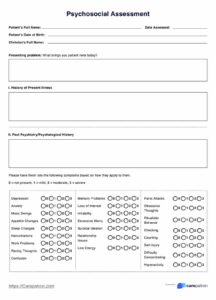
Developing your own effective headss assessment heeadsss assessment template is a strategic step towards standardizing and enhancing the quality of care you provide to adolescents. A well-designed template serves as a consistent guide, ensuring that no critical area is overlooked during an assessment, while still allowing for flexibility and personalization in your approach. It helps structure your thoughts, reminds you of key probing questions, and provides a clear format for documenting important information, making follow-up and record-keeping much more efficient.
When you are crafting your template, think about the practical flow of a conversation. It should encourage open-ended questions that invite detailed responses, rather than simple yes or no answers. Consider including prompts for observing non-verbal cues and for noting any particular concerns that emerge during the discussion. Remember, the goal isn’t just to fill out a form, but to facilitate a meaningful dialogue that helps you truly understand the adolescent’s perspective and needs.
Here are some key considerations for designing a robust and user-friendly template:
* Prioritize a Non-Judgmental Tone
* Include Open-Ended Questions
* Allocate Space for Notes and Observations
* Consider Cultural Sensitivity
* Ensure Confidentiality Guidelines Are Clear
Additionally, factor in specific areas relevant to your practice setting. For example, a template used in a school environment might have more detailed sections on academic performance or bullying, while one in a clinical setting might focus more intensely on mental health history and access to support services. The best templates are those that are adaptable and can evolve with your practice and the changing needs of the young people you serve.
Your template should act as a supportive framework, not a rigid script. It’s about combining the structured guidance of the HEADSS model with your professional judgment and empathetic communication skills. Regular review and refinement of your template based on your experiences and feedback can further enhance its utility, ensuring it remains a valuable resource in your commitment to adolescent well-being.
The careful and compassionate use of the HEADSS framework can significantly improve the quality of care and support offered to young people. By embracing this comprehensive approach, professionals can better identify risks, foster resilience, and empower adolescents to navigate the complexities of their lives with greater confidence and support. Continuously refining your approach and resources, including your own template, ensures that you are providing the most effective and responsive care possible.