Embarking on an interior design project, whether a cozy home renovation or a sprawling commercial fit-out, is an exhilarating journey filled with creative choices and countless decisions. From the perfect shade of paint to the texture of a custom countertop, every detail contributes to the overall vision. However, managing these myriad elements can quickly become overwhelming, leading to potential miscommunications, costly mistakes, and unwelcome delays if not handled systematically.
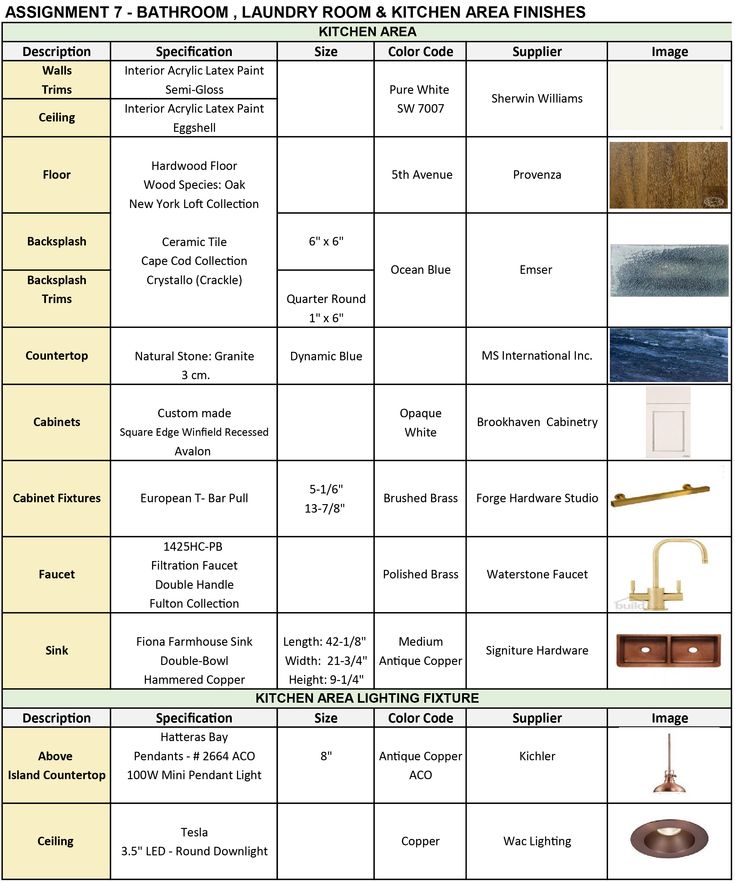
This is where a robust organizational tool becomes not just helpful, but absolutely essential. Imagine a single document that meticulously catalogs every finish, material, and fixture, ensuring everyone involved, from the client to the contractor, is on the same page. That’s the power of an interior design finish schedule, and having a well-structured interior design finish schedule template at your fingertips can transform chaos into a streamlined, predictable process.
Why an Interior Design Finish Schedule is Your Best Friend
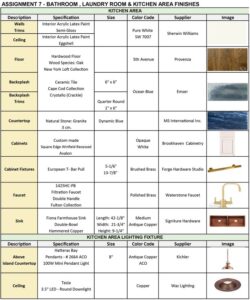
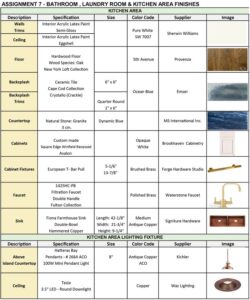
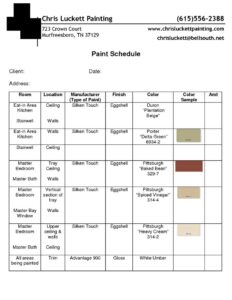
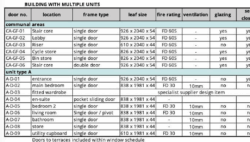
An interior design finish schedule is essentially a master list, a comprehensive inventory of all the specified materials and finishes for a design project. Think of it as the DNA of your project’s aesthetic, detailing everything from the flooring in the entryway to the specific wall covering in the powder room, and even the type of hardware on the custom cabinetry. It acts as a central hub of information, meticulously organizing the hundreds, if not thousands, of decisions made throughout the design and construction phases. This document brings clarity and structure to what could otherwise be a confusing maze of selections.
The benefits of a well-developed finish schedule are extensive, extending far beyond simple organization. It drastically improves communication among all stakeholders – the designer, client, contractor, and suppliers. When everyone is referring to the same detailed document, the chances of misunderstandings about material specifications, colors, or installation methods are significantly reduced. It becomes an indispensable reference point, minimizing those “what did we decide on?” moments and ensuring that the final outcome aligns perfectly with the approved design.
Beyond communication, a finish schedule is a crucial tool for budgeting and procurement. By itemizing every material and finish, designers can provide more accurate estimates to clients and help contractors solicit precise quotes from suppliers. This proactive approach helps to avoid unforeseen expenses down the line and keeps the project on track financially. It also aids in ordering materials correctly and on time, preventing costly delays that can arise from missing or incorrect product deliveries.
Incorporating a detailed finish schedule into your workflow professionalizes your service and instills confidence in your clients. It demonstrates a methodical approach to design and project management, showcasing your commitment to detail and precision. Utilizing an interior design finish schedule template further enhances this by providing a consistent framework across all your projects, saving you time from reinventing the wheel and ensuring no crucial detail is ever overlooked.
Key Elements to Include in Your Schedule
To ensure your finish schedule is truly comprehensive and effective, it must contain specific information that leaves no room for ambiguity.
Creating Your Own Seamless Interior Design Finish Schedule Template
Developing an effective interior design finish schedule template doesn’t have to be daunting. The key is to start with a structure that is logical and adaptable to various project sizes and types. You want a template that is comprehensive enough to capture all necessary details but flexible enough to be easily customized for each unique client and design concept. Think about the common elements across all your projects and build those in as defaults.
There are several great tools you can use to create your template. Simple spreadsheet programs like Microsoft Excel or Google Sheets are incredibly popular due to their accessibility and powerful organization features. You can set up columns for all the key elements mentioned earlier and even add conditional formatting to highlight specific information. For those who prefer more visual or integrated solutions, some interior design software platforms offer built-in finish schedule functionalities that can pull data directly from your design drawings.
Regardless of the tool you choose, consistency in your template’s format and terminology is paramount. Establish clear, concise language for material descriptions, locations, and notes. This eliminates confusion and makes the document easy for anyone to understand at a glance. For instance, always refer to “Master Bathroom Floor” rather than sometimes “MBath Flooring” and other times “Main Bath Tile.” Standardizing your entries will save significant time and prevent errors throughout the project lifecycle.
Once you have your template ready, the real magic happens in its application. Integrate the finish schedule into your design process from the very beginning. As you make material selections and design decisions, input them directly into the schedule. This ensures that the document evolves alongside your design, staying current and accurate. Share the schedule with your clients for review and approval, making it a critical part of their sign-off process. This transparency not only educates them about the project’s details but also solidifies their commitment to the selections. During the construction phase, it becomes the contractor’s bible, guiding their procurement and installation efforts.
Effective utilization of your template involves a few best practices:
Adopting a systematic approach to detailing your project’s finishes is one of the most impactful steps you can take to elevate your design practice. It’s about building a solid foundation for every project, ensuring that every detail, no matter how small, is thoughtfully considered and clearly communicated. This level of meticulous planning is what transforms a good design into an exceptional one, leading to smoother installations and delighted clients.
By consistently applying this powerful tool, you’re not just managing materials; you’re cultivating a reputation for precision, professionalism, and impeccable project delivery. It’s an investment in efficiency that pays dividends in reduced stress, fewer errors, and ultimately, more successful and beautiful spaces.