Embarking on a journey to improve how your projects are managed can feel like navigating a complex maze. Many organizations find themselves wondering if their project processes are truly effective, if their teams are adequately skilled, or if they’re consistently delivering successful outcomes. This self-reflection is a crucial step towards growth, identifying both strengths to leverage and areas that need a little polish.

Understanding your current state of project management maturity is not just about pointing out flaws; it’s about setting a clear path for future development. It provides a roadmap, guiding you from where you are today to where you aspire to be, ensuring that every project undertaken contributes more effectively to your strategic goals.
Understanding Project Management Maturity Models
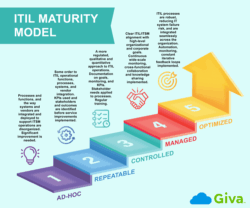
Project management maturity isn’t a nebulous concept; it’s often defined and measured against established maturity models. Think of these models as benchmarks, providing a structured framework to evaluate an organization’s capabilities in managing projects, programs, and portfolios. Popular models like the Project Management Institute’s Organizational Project Management Maturity Model (OPM3) or the Capability Maturity Model Integration (CMMI) for Development offer different lenses through which to view and assess your organizational prowess. They typically outline various levels, from an initial, ad-hoc state to a highly optimized and continuously improving one.
The real benefit of engaging with these models lies in their ability to provide an objective, systematic approach to improvement. Instead of making arbitrary changes, you’re guided by a proven framework that highlights specific areas for development. This structured approach helps ensure that improvements are not only targeted but also sustainable, leading to long-term gains in project success rates, resource utilization, and overall strategic alignment. It’s about building a robust foundation, one brick at a time, rather than just patching up cracks.
Each maturity level in these models represents a progressive increase in an organization’s ability to consistently deliver projects successfully. At lower levels, processes might be inconsistent or undefined, heavily reliant on individual heroics. As an organization matures, processes become standardized, repeatable, managed, and eventually optimized, leading to predictable and high-quality project outcomes. This journey isn’t a race; it’s a deliberate progression towards operational excellence in project delivery.
Ultimately, these maturity models are the blueprints from which a practical project management maturity assessment template is derived. They inform the categories, questions, and evaluation criteria that make up a comprehensive assessment tool. By understanding the underlying principles of these models, you can better appreciate the depth and breadth required for an effective assessment that truly reflects your organization’s project management landscape.
Key Elements of a Robust Template
To truly capture an organization’s project management standing, a comprehensive template should delve into several critical areas.
- Processes and Methodologies: How well-defined and consistently applied are your project management processes, from initiation to closure?
- People and Skills: Do your project teams possess the necessary competencies, training, and leadership to execute projects effectively?
- Tools and Technology: Are you leveraging appropriate project management software and tools to support planning, execution, and monitoring?
- Organizational Culture: Does your organizational culture support and promote effective project management practices? Is there an emphasis on continuous learning and adaptation?
- Data and Metrics: How do you measure project performance? Are you collecting and analyzing data to make informed decisions and drive improvement?
Building Your Own Project Management Maturity Assessment Template
While various models exist, the most effective project management maturity assessment template is often one that is tailored to your specific organizational context, industry, and strategic objectives. Simply downloading a generic template might give you some insights, but a custom-built or significantly adapted one will provide far more actionable intelligence. It’s about aligning the assessment criteria with what truly matters for your company’s unique project landscape and business goals, ensuring the results are directly relevant and useful.
Crafting your own template starts with defining the scope of your assessment. Are you evaluating a single department, a specific type of project, or the entire enterprise? Once the scope is clear, identify the key project management areas that are critical to your organization’s success. These areas might align closely with the elements discussed earlier – processes, people, tools, culture, and metrics – but they should be articulated in a way that resonates with your internal terminology and priorities. For each area, develop specific questions or statements that allow for a clear evaluation of current practices.
After conducting the assessment, the real work begins: interpreting the results and formulating an action plan. The scores or qualitative feedback you gather should pinpoint not just where you stand, but precisely what needs to improve. This might involve developing new training programs, standardizing project documentation, investing in new software, or fostering a more collaborative project culture. An effective assessment isn’t just about measurement; it’s a catalyst for positive, structured change, helping you move from a reactive approach to a proactive, strategic one.
Remember, project management maturity isn’t a destination, but a continuous journey of improvement. Regularly revisiting your project management maturity assessment template and conducting periodic re-assessments will help you track progress, identify new challenges, and ensure your project management capabilities continue to evolve with your business needs. This iterative process allows for continuous refinement, ensuring your organization remains agile and competitive in delivering successful projects time and time again.
By systematically evaluating your current project management capabilities, organizations can unlock significant potential for efficiency gains, improved project outcomes, and enhanced strategic alignment. It’s about more than just checking boxes; it’s about fostering a culture of continuous improvement and excellence in every undertaking.
Ultimately, investing time in understanding and improving your project management maturity equips your organization to tackle future challenges with greater confidence and competence. It transforms project management from a series of isolated tasks into a cohesive, strategic function that consistently delivers value and drives business success.