Returning to work after an absence, whether it’s from a period of illness, a long-term leave, or even a shift back from remote to in-office work, can feel like navigating a complex maze. Both employees and employers face unique challenges during this transition. Employees might feel anxious about reintegrating, catching up on tasks, or adjusting to new routines, while employers need to ensure a smooth, productive, and supportive re-entry that benefits everyone involved.

This is where a well-structured plan becomes invaluable. Having a clear roadmap not only alleviates stress for the returning individual but also provides a framework for managers and teams to offer the right support. A carefully designed return to work schedule template can serve as that crucial guide, laying out expectations, responsibilities, and timelines to ensure a seamless and positive transition for all parties.
Crafting Your Ideal Return to Work Schedule
Developing an effective return to work schedule is more than just penciling in dates; it’s about creating a supportive and sustainable plan that considers the unique circumstances of the individual and the operational needs of the organization. The primary goal is to facilitate a smooth reintegration, minimize disruption, and set the returning employee up for long-term success. This template provides a structured approach, reducing ambiguity and ensuring everyone is on the same page from day one.
When you sit down to create this schedule, think about it as a collaborative process. While the template offers a solid starting point, it should be flexible enough to accommodate individual needs. Consider the nature of the absence – was it due to a recovery period, a family leave, or a prolonged work-from-home setup? Each scenario might require a slightly different approach to workload, hours, and initial responsibilities. Open communication between the employee, their manager, and HR is absolutely vital during this phase to tailor the plan effectively.
A good return to work schedule template should serve as a living document, meaning it can be reviewed and adjusted as needed. It’s not a rigid contract but rather a guide designed to evolve. Initial plans might involve a phased return, perhaps starting with part-time hours or modified duties, gradually building up to full capacity. This approach helps prevent burnout and allows the employee to reacclimate without feeling overwhelmed. Think about regular check-ins to gauge progress and address any emerging concerns.
Ultimately, a thoughtful return to work schedule template is a testament to an organization’s commitment to its employees’ well-being. It demonstrates empathy and provides the necessary structure for a confident and successful reintegration, turning what could be a stressful period into a positive new chapter. The clarity and predictability offered by such a plan are beneficial for both the individual and the team.
Key Components of an Effective Template
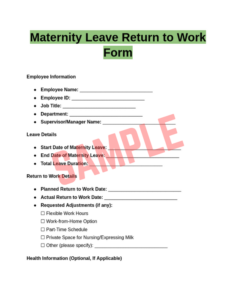
- Employee Name and Contact Information
- Manager Name and Contact Information
- Original Start Date and Return-to-Work Date
- Reason for Absence (Optional, for internal HR use)
- Phased Return Details (e.g., initial part-time hours, full-time transition date)
- Modified Duties or Accommodations (if applicable)
- Key Responsibilities for the Initial Period
- Support Resources (e.g., HR contact, EAP information)
- Scheduled Check-in Dates with Manager
- Review Date for Schedule Adjustment
- Signatures for Acknowledgment
Implementing and Adapting Your Return Plan
Once you have a comprehensive return to work schedule in place, the next crucial step is its effective implementation. This phase goes beyond just handing over a document; it involves active support, clear communication, and a willingness to adapt. For the returning employee, seeing the plan put into action provides reassurance and confidence, reinforcing that their well-being and successful reintegration are a priority. Managers play a pivotal role here, acting as the primary point of contact and ensuring the initial provisions of the schedule are met.
Communication doesn’t stop after the initial plan is drafted. Regular, informal check-ins can be just as valuable as the formally scheduled reviews. These moments allow for quick adjustments, answering minor questions, and simply showing continued support. It’s important for the returning individual to feel comfortable raising concerns or suggesting modifications if they find the initial schedule too demanding or not challenging enough. This open dialogue prevents small issues from escalating and ensures the plan continues to align with their evolving needs.
Remember that even the best-laid plans can encounter unexpected turns. An employee might recover faster or slower than anticipated, or new projects might emerge that require a different approach to their workload. Being flexible and ready to adapt the return plan is a sign of good management. The initial return to work schedule template is a strong foundation, but it should never be seen as set in stone. The goal is a successful and sustainable return, and sometimes that means making mid-course corrections to better achieve that outcome.
Ultimately, a thoughtfully implemented and adaptable return plan fosters a positive and supportive work environment. It reduces stress for the returning employee, minimizes disruption for the team, and ensures that valuable talent is brought back into the fold effectively and confidently. By prioritizing both structure and flexibility, organizations can transform what could be a difficult transition into a seamless and empowering experience for everyone.
Embracing a structured yet flexible approach to bringing employees back into the active workforce profoundly impacts not just individual well-being but also the overall health of an organization. It signals a culture of care and support, where employees feel valued and understood, especially during times of transition. This deliberate planning minimizes stress, reduces the likelihood of further absences, and ensures a more productive and engaged team member in the long run.
By investing time in creating and thoughtfully implementing a clear return pathway, businesses can cultivate a stronger, more resilient workforce. Such an approach demonstrates leadership, promotes positive morale, and ultimately contributes to a more cohesive and successful work environment where everyone can thrive. It’s a testament to the idea that supporting individuals through their transitions strengthens the collective.