Facing an unfair dismissal from your job can be a deeply unsettling and stressful experience. Many individuals feel a sense of injustice and wonder what steps they can take to challenge their employer’s decision. Fortunately, there are formal avenues available to dispute such an outcome, and a well-crafted appeal letter is often the first crucial step. Understanding how to construct an effective unfair dismissal appeal letter template is vital for anyone seeking to challenge a termination.
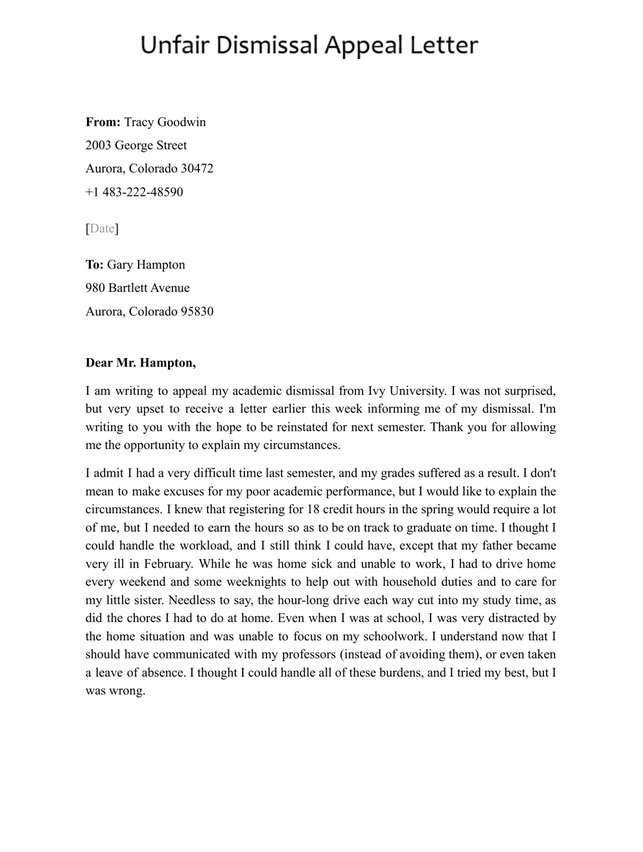
This comprehensive guide will walk you through the essential elements of appealing an unfair dismissal, focusing on how to build a strong case. We will explore the critical information you need to gather, the legal grounds typically involved, and provide practical advice for drafting your own compelling appeal. By following these guidelines, you can significantly improve your chances of a successful outcome and assert your employment rights.
Understanding the Unfair Dismissal Appeal Process
When you believe your dismissal was unjust or did not follow proper procedure, initiating an appeal is your right. This process is designed to give you an opportunity to present your case and ask your employer to reconsider their decision. Knowing the general steps involved can help you prepare thoroughly and avoid common pitfalls. The appeal period is often time-sensitive, so acting quickly is usually advisable.
The first stage typically involves submitting a formal letter of appeal to your employer. This document formally requests a review of your dismissal. Following submission, your employer should arrange an appeal hearing where you can present your arguments and evidence in person. This structured process ensures both parties have a fair chance to state their case.
Grounds for Challenging a Dismissal
Identifying the specific reasons why you believe your dismissal was unfair is paramount to a successful appeal. Employers must follow fair procedures and have valid reasons for termination. If these conditions are not met, you may have strong grounds for an unfair dismissal claim. It’s important to articulate these points clearly in your unfair dismissal appeal letter template.
Common grounds include:
- Procedural Unfairness: The employer failed to follow their own disciplinary procedures or legal requirements, such as not giving proper notice of a hearing, denying you the right to be accompanied, or not investigating thoroughly.
- Substantive Unfairness: The reason for dismissal was not valid or sufficiently serious. Examples might include a minor infraction leading to dismissal, or the employer acting on incorrect information.
- Discrimination: You believe the dismissal was due to a protected characteristic, such as age, gender, race, religion, or disability. This constitutes unlawful discrimination.
- Constructive Dismissal: Your employer made your working conditions so intolerable that you felt forced to resign. While not a direct dismissal, it can still be challenged.
- Automatic Unfair Dismissal: Dismissal for specific reasons deemed unlawful, such as whistleblowing, asserting a statutory right, or pregnancy.
Gathering Essential Information and Evidence
A strong appeal relies heavily on solid evidence and clear documentation. Before you even begin drafting your unfair dismissal appeal letter template, dedicate time to collecting all relevant materials. This proactive step ensures your appeal is well-supported and persuasive. Organize your documents systematically so they are easy to reference.
Consider compiling the following:
- Your employment contract: Review terms and conditions related to dismissal and disciplinary actions.
- Company’s disciplinary policy: Compare the process followed by your employer against their written policy.
- Correspondence: All letters, emails, or memos related to the disciplinary process, warnings, or the dismissal itself.
- Performance reviews: Positive appraisals can contradict claims of poor performance.
- Witness statements: If colleagues or other individuals can support your version of events, gather their testimonies.
- Any evidence disproving allegations: This could include documents, emails, or data that refute the reasons given for your dismissal.
Crafting Your Unfair Dismissal Appeal Letter Template
Your appeal letter serves as the formal foundation for your challenge. It needs to be professional, clear, and persuasive, outlining your grounds for appeal and what outcome you seek. Think of it as your opening statement in a formal legal process. A well-structured unfair dismissal appeal letter template can significantly influence the employer’s initial perception of your case.
The tone should be respectful yet firm, focusing on facts rather than emotional arguments. Ensure all dates and details are accurate to maintain credibility. Keep paragraphs concise and to the point, making it easy for the reader to understand your key arguments.
Key Sections to Include in Your Letter
A comprehensive appeal letter follows a logical structure that guides the reader through your arguments. Each section has a specific purpose and contributes to the overall strength of your appeal. Utilizing a clear structure, often found in an unfair dismissal appeal letter template, ensures no critical information is missed.
Here’s a breakdown of the essential components:
| Section | Purpose | Key Details to Include |
|---|---|---|
| Your Contact Information & Date | Identifies you and when the letter was written. | Full name, address, phone, email. Date of writing. |
| Employer Contact Information | Ensures the letter reaches the correct recipient. | Company name, HR department or specific manager, address. |
| Subject Line | Clearly states the letter’s purpose. | “Formal Appeal Against Dismissal – [Your Name] – [Date of Dismissal]” |
| Salutation | Professional greeting. | “Dear [HR Manager/Specific Manager’s Name],” |
| Opening Paragraph | States your intention to appeal. | Reference dismissal date and your wish to appeal. |
| Grounds for Appeal | Details why you believe the dismissal was unfair. | List specific reasons (procedural flaws, lack of evidence, discrimination). Reference company policy or legal rights. |
| Desired Outcome | Clearly states what you want to achieve. | Reinstatement, re-engagement, or compensation. |
| Call to Action | Requests next steps. | Request an appeal hearing within a specific timeframe (e.g., 7-14 days). |
| Closing & Signature | Professional closing. | “Yours sincerely,” Your typed name and signature. |
Tips for Writing a Persuasive Appeal
Beyond the structure, the way you present your arguments can significantly impact your appeal’s effectiveness. A persuasive appeal focuses on facts, logic, and adherence to established rules. Reviewing and refining your unfair dismissal appeal letter template before sending is a critical step. Ensure your arguments are coherent and easy to follow.
- Be Specific: Vague statements are unconvincing. Clearly state which company policies were breached or what legal grounds apply to your situation.
- Refer to Evidence: Mention specific documents, dates, and names where appropriate. Attach copies of supporting evidence to your letter, clearly listing them.
- Maintain a Professional Tone: Even if you feel angry or frustrated, your letter must remain professional and objective. Emotional language can detract from the strength of your argument.
- Proofread Carefully: Errors in grammar or spelling can undermine your credibility. Have someone else review your letter before you send it.
- Keep a Copy: Always retain a copy of the sent letter and all accompanying documents for your records. Send the letter via a method that provides proof of delivery.
Crafting a strong appeal letter is a critical first step towards challenging an unfair dismissal. It allows you to formally state your case and demand a fair review of your situation. By following a structured approach and providing clear evidence, you empower yourself to seek justice and potentially reverse a wrongful termination.
Remember, this initial letter sets the tone for the entire appeal process. Taking the time to prepare a well-researched and professionally written appeal can significantly enhance your chances of achieving a positive outcome. Always consider seeking professional advice if you are unsure about the specifics of your case or the legal implications.