Dealing with unemployment claims can be a complex and often frustrating process for employers. When a former employee files for unemployment benefits, employers sometimes find it necessary to challenge the claim, especially if the separation was due to misconduct or voluntary resignation. Understanding how to properly contest such a claim is crucial for protecting your company’s interests and maintaining favorable unemployment insurance rates.
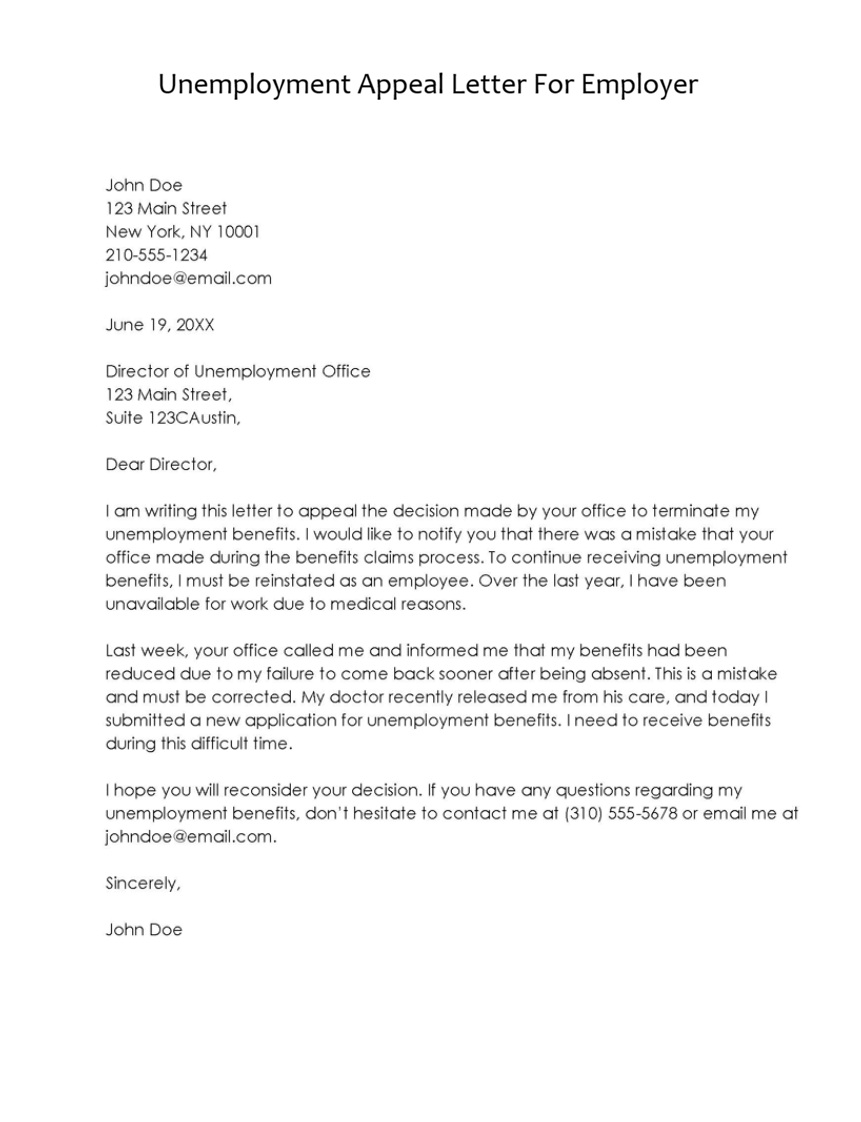
Appealing an unemployment benefits decision requires clear communication and a well-structured argument. Many employers seek a reliable unemployment appeal letter template for employer to guide them through this critical process. This article will walk you through the essential steps, components, and best practices for drafting a persuasive appeal, ensuring your response is both professional and effective. You’ll learn how to present your case clearly and concisely.
This guide will provide practical advice on compiling your arguments and offer a structured approach to writing your appeal letter. We’ll cover everything from the initial assessment of the claim to the final submission, equipping you with the knowledge to navigate unemployment appeals confidently.
Understanding the Employer’s Role in Unemployment Appeals
Employers have a significant role to play in the unemployment insurance system. When a former employee files for benefits, the state unemployment agency evaluates the claim based on the information provided by both the claimant and the employer. If the agency’s initial decision is not in line with the employer’s understanding of the separation circumstances, an appeal becomes necessary.
Contesting a claim is not just about denying benefits; it’s about ensuring the integrity of the unemployment system and protecting your business. An appeal letter allows you to present your side of the story with supporting evidence, challenging a decision that you believe is incorrect. This proactive step can prevent unjust benefit payouts and subsequent increases in your unemployment tax rates.
Reasons for Employer Appeals
There are several common reasons why an employer might decide to appeal an unemployment benefits decision. These reasons typically revolve around the circumstances of the employee’s separation from the company. Documenting these situations accurately is vital for a successful appeal.
One primary reason is employee misconduct, where an employee was terminated for violating company policy or failing to perform their duties despite warnings. Another common ground for appeal is voluntary resignation, where an employee quit their job without good cause attributable to the employer. Sometimes, an appeal is necessary if the employee was offered suitable alternative work and refused it.
- Gross Misconduct: Employee was terminated for serious violations of company policy (e.g., theft, insubordination, repeated absenteeism without notice).
- Voluntary Quit: Employee resigned without a valid, job-related reason or failed to report to work without notice.
- Refusal of Suitable Work: Employee was offered suitable employment but declined it without good cause.
- Misinformation or Error: The unemployment agency’s decision was based on incorrect or incomplete information about the separation.
- Lack of Availability: The former employee is not truly available for work or actively seeking employment, which is a condition for receiving benefits.
The Appeal Timeline and Deadlines
Adhering to strict deadlines is one of the most critical aspects of the unemployment appeals process. Each state has specific timeframes within which an employer must file an appeal after receiving an unfavorable determination. Missing this window can lead to an automatic denial of your right to appeal, regardless of the merits of your case.
Typically, employers have between 10 to 30 days from the date of the determination letter to file their appeal. It is imperative to check your specific state’s unemployment agency website or the determination letter itself for the exact deadline. Always err on the side of caution and submit your appeal as soon as possible after receiving the unfavorable notice.
Crafting an Effective Unemployment Appeal Letter
Developing a strong appeal letter requires careful thought and precise language. The goal is to clearly and persuasively present your case, supported by evidence. A well-crafted unemployment appeal letter template for employer helps ensure you include all necessary details and maintain a professional tone throughout.
Your appeal letter serves as your formal argument to the unemployment agency. It should outline why you disagree with their initial decision and provide factual information to support your position. This document is often the first formal step in challenging a claim and can significantly influence the outcome.
Structuring Your Appeal for Clarity
A clear and logical structure is vital for any effective appeal letter. This structure helps the reviewer quickly understand your position and the evidence supporting it. Think of your letter as a concise legal argument, presenting facts rather than emotions.
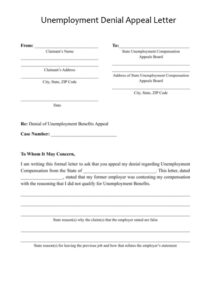
Begin with your contact information and the date, followed by the agency’s details. Clearly state that you are appealing a specific determination and include the claimant’s name and case number. Then, systematically present your arguments, detailing the circumstances of separation. Conclude with a clear request for a reversal of the initial decision.
| Section | Key Information to Include | Purpose |
|---|---|---|
| Employer Information | Company Name, Address, Contact Person, Phone, Email | Identifies the appellant |
| Date | Current Date | Establishes submission timeline |
| Agency Information | State Unemployment Agency Name, Address | Ensures proper recipient |
| Subject Line | Appeal of Unemployment Determination – Claimant Name, Case Number | Clear identification of the appeal |
| Opening Statement | Formal declaration of intent to appeal, reference to determination date | States the appeal’s purpose immediately |
| Statement of Facts | Chronological account of separation, specific dates, policies violated | Provides the factual basis of your argument |
| Supporting Evidence | Mention attached documents (warnings, job descriptions, resignation letters) | Corroborates your claims with proof |
| Argument/Conclusion | Why initial decision is incorrect, requested action (reversal of benefits) | Summarizes your position and desired outcome |
| Closing | Professional closing (e.g., “Sincerely”), Signature, Typed Name, Title | Formalizes the letter |
Essential Information to Include
Every unemployment appeal letter needs specific pieces of information to be considered complete and valid. Beyond the basic contact details, you must include the claimant’s full name and the specific case or claim number assigned by the unemployment agency. This ensures your appeal is correctly matched to the relevant file.
Clearly reference the date of the determination letter you are appealing. It’s also critical to provide a detailed, factual account of the events leading to the employee’s separation. Attach any supporting documentation, such as warning letters, performance reviews, company policies, or resignation letters, to strengthen your argument. Remember, accuracy and completeness are paramount.
Successful unemployment appeals hinge on thorough preparation and a clear articulation of your position. By utilizing a robust unemployment appeal letter template for employer and meticulously gathering your evidence, you significantly increase your chances of a favorable outcome. Protecting your business from unwarranted unemployment claims is an ongoing responsibility that demands attention to detail.
Continuously review your HR policies and documentation practices to minimize future appeal needs. Keeping accurate records of employee performance, disciplinary actions, and separation circumstances can provide the strong evidence required for any necessary appeal. This proactive approach not only helps during appeals but also fosters a more compliant and efficient workplace.