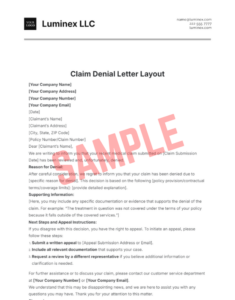
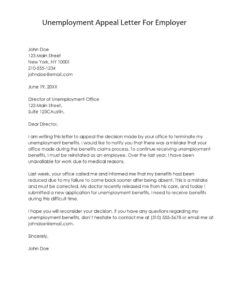
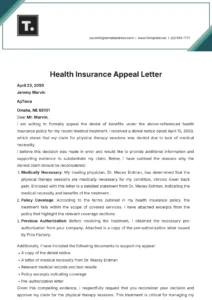
Receiving a notice that your unemployment claim has been denied can be a deeply frustrating and disheartening experience. Many individuals rely on these benefits to bridge financial gaps during job transitions, and a denial can throw future plans into disarray. However, a denial is often not the final word; you typically have the right to appeal the decision. This article will guide you through the process, providing invaluable insights and an unemployment denial appeal letter template to help you craft a compelling case.
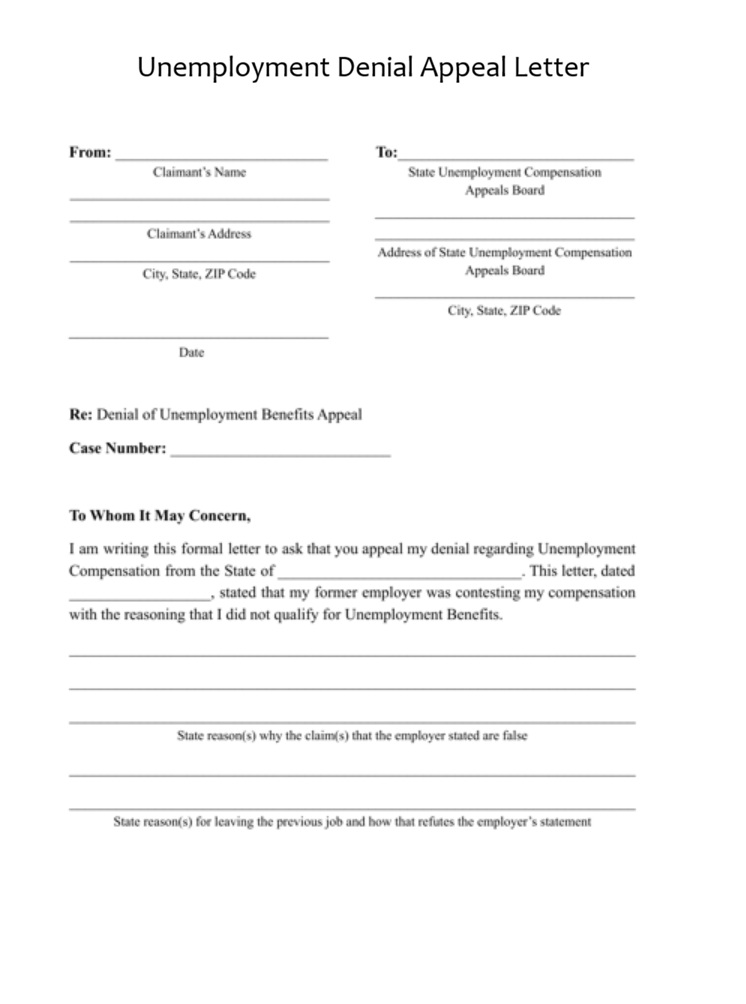
Understanding why your claim was denied is the first crucial step toward a successful appeal. State agencies process thousands of claims, and sometimes errors occur or critical information is overlooked. By meticulously preparing your appeal, you significantly increase your chances of overturning the initial decision and securing the benefits you need. We’ll explore common reasons for denial, what to include in your appeal letter, and how to gather the necessary evidence to support your position.
Understanding Common Reasons for Unemployment Claim Denial
Unemployment claims can be denied for a variety of reasons, each requiring a specific approach when preparing an appeal. Knowing the exact reason for your denial, usually stated in the denial letter, is paramount. This information allows you to directly address the issue and provide counter-evidence or clarification.
Lack of Sufficient Work History or Wages
Many states require claimants to have earned a minimum amount of wages or worked for a certain period during a base period to qualify for unemployment benefits. If your employment history is too short, or your earnings fall below the threshold, your claim might be denied. This often happens to individuals who were self-employed for a period or who recently re-entered the workforce.
To appeal this, you’ll need to provide clear documentation of all your earnings and employment dates within the specified base period. This could include pay stubs, W-2 forms, or even tax returns if you have independent contractor income. Ensure all dates and amounts are accurately represented to demonstrate you meet the state’s requirements.
Voluntary Resignation or Misconduct
If you voluntarily quit your job without good cause, or if you were terminated due to misconduct, your unemployment claim will likely be denied. Good cause for quitting typically involves situations like unsafe working conditions, discrimination, or a significant change in job duties or pay without prior agreement. Misconduct usually refers to intentional wrongdoing, violation of company policy, or gross negligence.
When appealing a denial based on voluntary resignation, you must demonstrate “good cause” for leaving your job. For terminations due, you must prove that your actions did not constitute misconduct or that the employer’s accusation is false or exaggerated. This requires specific evidence, such as written warnings, company policies, or personal testimonies.
Failure to Meet Filing Deadlines or Requirements
State unemployment agencies operate under strict deadlines for filing claims and submitting appeals. Missing an initial filing deadline or failing to respond to requests for information within the specified timeframe can result in a denial. Similarly, not actively searching for work or refusing suitable employment can lead to benefit suspension or denial.
Appealing this type of denial often involves providing a legitimate reason for your delay or non-compliance. You might explain extenuating circumstances, such as a medical emergency, natural disaster, or a technical issue with the filing system. Be prepared to offer documentation to support any claims of unavoidable delays or technical difficulties.
Crafting an Effective Unemployment Denial Appeal Letter
A well-structured and persuasive appeal letter is your most powerful tool in challenging an unemployment denial. It should be clear, concise, professional, and directly address the reasons for the denial. Remember, the goal is to present your case logically and provide all necessary information for the appeals officer to reconsider the decision.
Key Components of Your Appeal Letter
Every unemployment denial appeal letter template should include specific elements to ensure it is complete and properly processed. Accuracy is critical, as any missing information could cause further delays. Ensure all identifying numbers and dates are correct.
Here are the essential components:
| Component | Description |
|---|---|
| Your Contact Information | Full name, address, phone, email. |
| Date | Date you are writing the letter. |
| Appeals Office Contact | Full address of the unemployment appeals office. |
| Claimant ID/Account Number | Your unique identification number. |
| Decision Date | Date of the denial notice you are appealing. |
| Clear Statement of Appeal | Explicitly state you are appealing the decision. |
| Reason for Appeal | Briefly state why you believe the decision is incorrect. |
| Request for Reconsideration | Ask for the decision to be overturned. |
| Signature | Your physical signature. |
Gathering Supporting Documentation
Your appeal letter is strengthened significantly by concrete evidence. Do not just state your case; prove it with documentation. This proof helps the appeals officer verify your claims and can swing the decision in your favor.
Consider collecting the following types of documents:
- Termination letter or resignation letter.
- Employer handbooks or company policies.
- Pay stubs, W-2 forms, or bank statements.
- Emails, text messages, or other written communications with your employer.
- Medical records or doctor’s notes if your health was a factor.
- Witness statements or affidavits from colleagues or supervisors.
- Any other documents that directly refute the reason for denial.
Tips for a Strong Appeal
Beyond merely filling out an unemployment denial appeal letter template, several strategies can significantly bolster your appeal. Approach this process with diligence and a clear understanding of what appeals officers look for. Professionalism throughout the process is also vital.
- Be Concise and Clear: Present your arguments in a straightforward manner. Avoid emotional language and stick to facts.
- Reference the Denial Letter: Directly address the specific reasons for denial stated in the official letter. Quote parts of it if necessary.
- Adhere to Deadlines: Most states provide a limited window (e.g., 10-30 days) to file an appeal. Do not miss this crucial deadline.
- Keep Copies: Always retain copies of everything you send, including the appeal letter and all supporting documents. Send via certified mail if possible to have proof of delivery.
- Prepare for a Hearing: Be ready to attend a phone or in-person hearing where you may need to explain your case and answer questions.
Successfully appealing an unemployment denial requires careful attention to detail, timely action, and a clear presentation of your case. Using a well-structured unemployment denial appeal letter template, coupled with strong supporting evidence, will empower you to challenge the decision effectively. By understanding common denial reasons and meticulously preparing your argument, you are well-positioned to navigate the appeals process with confidence. Don’t let an initial denial deter you; take proactive steps to secure the unemployment benefits you deserve.