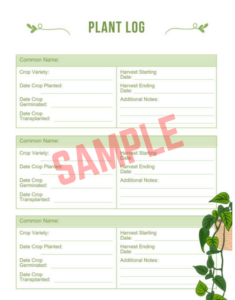
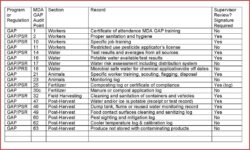
Farming is more than just planting seeds and waiting for harvest; it’s a sophisticated business requiring meticulous management and strategic planning. Modern agriculture demands a data-driven approach, especially for staple crops like corn and soybeans. An effective corn and soybean field record keeping template is not just a useful tool, but a fundamental asset for maximizing yields and ensuring profitability.
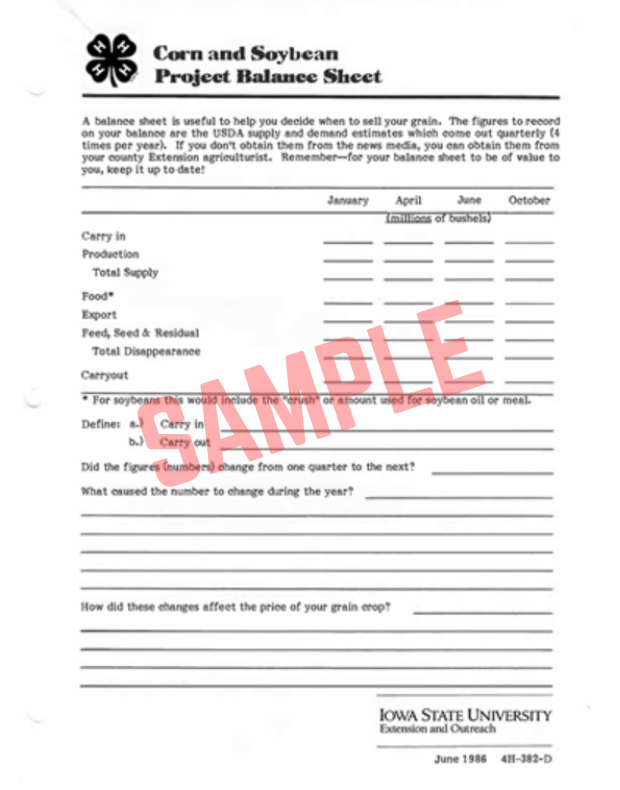
Imagine being able to pinpoint exactly why one field consistently outperforms another, or precisely what combination of inputs led to your best harvest. Comprehensive field records provide this clarity, transforming guesswork into informed decisions. This article will guide you through the importance of diligent record-keeping, essential data points to track, and present a practical corn and soybean field record keeping template to streamline your operations.
By embracing structured data collection, you can optimize resource allocation, comply with regulations, and gain invaluable insights into your farm’s performance year after year. Let’s explore how a robust record-keeping system can revolutionize your corn and soybean production.
Maximizing Yields Through Diligent Farm Record Keeping
Accurate field records are the backbone of a successful farming operation. They offer a historical perspective that helps farmers understand past performance and make proactive decisions for the future. Without detailed records, identifying patterns, successes, and failures becomes a challenging, often impossible, task.
Understanding The Benefits Of Data-Driven Decisions
Every decision on a farm, from seed selection to harvest timing, can be improved with solid data. Records allow farmers to analyze the effectiveness of different fertilizers, pesticides, and tillage practices across various fields and seasons. This empirical evidence supports better choices, leading to higher yields and reduced input costs.
For instance, tracking soil test results alongside yield data can reveal the optimal nutrient levels for specific soil types. Similarly, logging planting dates and weather patterns helps predict the best timing for future planting to avoid adverse conditions. Studies often show that farms utilizing robust data analytics can see a 5-10% increase in profitability.
Ensuring Compliance And Accountability
Beyond operational efficiency, field records play a critical role in regulatory compliance. Many agricultural programs, insurance claims, and certifications require detailed documentation of farming practices. Maintaining thorough records ensures you can easily provide necessary information when audited or when applying for grants.
Furthermore, these records provide accountability, both internally for your team and externally for stakeholders. They demonstrate responsible land stewardship and transparent business practices. A well-maintained corn and soybean field record keeping template can simplify these reporting requirements significantly.
Essential Data Points For Your Crop Field Records
What exactly should you track in your corn and soybean fields? The answer lies in collecting data that directly influences growth, yield, and profitability. A systematic approach ensures no critical information is overlooked.
Key Information To Capture From Planting To Harvest
The journey of a crop from seed to sale involves numerous stages, each generating valuable data. Documenting everything from initial soil preparation to post-harvest analysis provides a complete picture. This holistic view is crucial for continuous improvement.
Consider these vital categories for your field records:
- Field Identification: Unique field name/number, acreage, GPS coordinates.
- Soil Information: Soil type, drainage, past soil test results (pH, organic matter, nutrient levels).
- Crop Details: Crop type (corn/soybean), hybrid/variety, seed treatment.
- Planting Data: Planting date, seeding rate, row spacing, planting equipment used.
- Fertilizer Applications: Dates, product names, application rates, methods (e.g., pre-plant, side-dress).
- Pest and Disease Management: Dates of scouting, pest/disease identified, pesticide/herbicide applied, product names, rates, application methods.
- Weather Conditions: Rainfall, temperature extremes, irrigation details.
- Harvest Data: Harvest date, yield per acre, moisture content, grain quality, harvest equipment used.
- Financials: Input costs (seed, fertilizer, chemicals, fuel), labor costs, revenue per acre.
Leveraging Records For Future Planning
The true power of a corn and soybean field record keeping template emerges when historical data is used for forward-looking planning. By comparing multiple years of data, farmers can identify long-term trends and make adjustments to their rotation schedules, input purchases, and equipment needs. This proactive stance is what separates highly efficient operations from the rest.
Analyzing data can help in selecting the most resilient and high-yielding varieties for specific soil types and climates on your farm. It also supports decisions on cover cropping strategies or variable rate applications, ultimately enhancing sustainability and economic viability. Properly documented data is your best consultant for the next growing season.
A Comprehensive Corn And Soybean Field Record Keeping Template Example
Creating an effective record-keeping system doesn’t have to be complicated. A well-designed template provides a structured framework, making data entry straightforward and consistent. Below is a sample corn and soybean field record keeping template, designed to capture essential information in an organized manner.
This template can be adapted for digital use in a spreadsheet program or printed for manual entry. The key is consistency in filling it out after each significant field activity. Each row represents a specific field, and columns detail various aspects of the crop cycle.
Consider the following structure for your template:
| Field ID | Crop Type | Variety/Hybrid | Acreage | Previous Crop | Planting Date | Seeding Rate (Seeds/Acre) | Fertilizer Application (Type & Rate) | Pesticide/Herbicide (Type & Rate) | Scouting Notes | Harvest Date | Yield (Bushels/Acre) | Moisture % | Comments/Observations |
|---|---|---|---|---|---|---|---|---|---|---|---|---|---|
| North 40 | Corn | Pioneer 1234 | 40 | Soybeans | May 5, 2023 | 32,000 | 100-30-30 NPK (Pre-plant) | Glyphosate (22 oz/acre) | Minor leaf spot Aug 15 | Oct 10, 2023 | 210 | 18.5 | Excellent emergence, good standability. |
| South 80 | Soybeans | Enlist E3 | 80 | Corn | May 20, 2023 | 140,000 | None | Enlist One (20 oz/acre) | No major pest issues | Sept 25, 2023 | 65 | 12.0 | Good pod fill, some volunteer corn. |
| River Bottom | Corn | Dekalb 5678 | 60 | Wheat | May 10, 2023 | 33,000 | 120-40-40 NPK (Side-dress) | Atrazine (1 qt/acre) | Wet spring, some uneven emergence. | Oct 15, 2023 | 195 | 19.0 | Challenging year due to early season moisture. |
This simple, yet powerful, corn and soybean field record keeping template provides a clear overview of each field’s performance. It allows for quick comparisons and identification of areas for improvement. You can customize additional columns for specific needs, such as irrigation logs, tissue sampling results, or specific labor hours per field.
The key is to use it consistently. Make it a habit to update the template immediately after any relevant activity. This practice ensures accuracy and reduces the chance of forgetting important details. Over time, this meticulous record-keeping will become an indispensable tool in your farm management strategy.
Implementing an organized system for your corn and soybean field records is a commitment that pays significant dividends. From optimizing yields and reducing costs to ensuring regulatory compliance, the benefits are clear. A well-designed corn and soybean field record keeping template empowers you to transform raw data into actionable insights, leading to more sustainable and profitable farming operations.
Embrace the power of data by choosing a record-keeping method that suits your farm’s scale and your personal preference, whether it’s a simple paper template, a sophisticated spreadsheet, or specialized farm management software. Start today, and watch your farm management become more efficient and your decisions more informed, paving the way for consistent success in every growing season.