Navigating the complex landscape of modern business means relying on a network of external vendors. From IT services to raw material suppliers, these partnerships are crucial for operations, but they also introduce a unique set of vulnerabilities. Understanding and mitigating these risks isn’t just a best practice; it’s a fundamental requirement for maintaining operational stability, protecting sensitive data, and safeguarding your organization’s reputation.
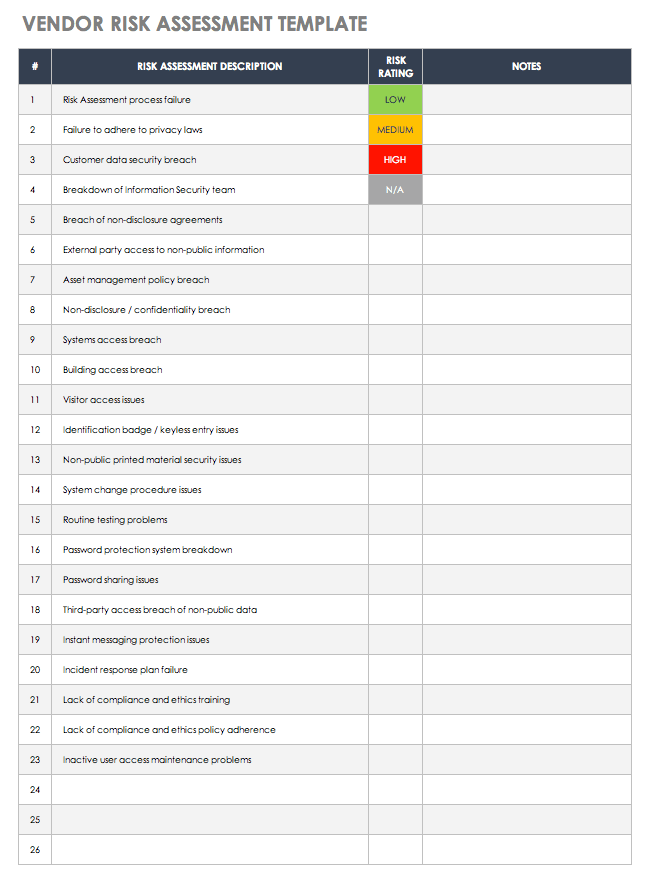
A proactive approach to managing third-party risks is essential, and that’s where a structured tool becomes invaluable. Instead of reacting to problems after they arise, imagine having a clear, systematic way to identify, assess, and address potential issues before they escalate. This is precisely the power of a comprehensive vendor management risk assessment template, offering a standardized framework to evaluate every vendor relationship with consistent scrutiny.
Why a Robust Vendor Management Risk Assessment Process is Indispensable
In today’s interconnected world, your organization’s security and operational integrity are only as strong as your weakest link, and often that link can be a third-party vendor. A data breach at a service provider, a compliance failure from a supplier, or an unexpected operational disruption can have devastating consequences, impacting everything from your financial bottom line to customer trust. Without a systematic way to evaluate these risks, you’re essentially operating in the dark, hoping for the best.
Implementing a thorough risk assessment process ensures that you’re not just signing contracts but also understanding the inherent and residual risks associated with each vendor. This isn’t about fostering distrust; it’s about building resilient partnerships based on a clear understanding of potential challenges and agreed-upon mitigation strategies. It helps you prioritize your efforts, focusing on the vendors that pose the highest risk to your critical operations and data.
Key Components of an Effective Template
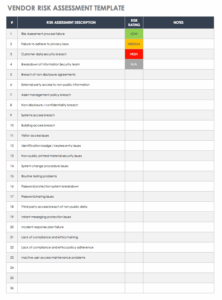
A well-designed vendor management risk assessment template acts as your guide, ensuring no critical stone is left unturned. It provides a standardized method for evaluating various risk factors across all your third-party relationships, making comparisons easier and decisions more informed. This structure is vital for consistency and repeatability in your risk management efforts.
When building or adopting such a template, you’ll want to ensure it covers several key areas. These elements work together to provide a holistic view of your vendor landscape and the risks each relationship might present, allowing for targeted remediation and continuous monitoring.
- Vendor Information Gathering Collect essential details about the vendor, their services, and their operational environment.
- Risk Identification Systematically list potential risks across various categories such as operational, financial, cybersecurity, regulatory, and reputational.
- Risk Scoring Develop a clear methodology for scoring the likelihood and impact of identified risks, allowing for prioritization.
- Mitigation Strategies Document specific actions required to reduce or eliminate identified risks.
- Continuous Monitoring Outline processes for ongoing oversight and periodic reassessment of vendor risks.
Building Your Own Vendor Management Risk Assessment Template
While many templates are available, the most effective vendor management risk assessment template is often one that’s tailored to your organization’s specific needs, industry, and risk appetite. Think about your unique operational environment, the regulatory requirements you face, and the types of data you handle. These factors will heavily influence the criticality you assign to different risk categories and the depth of assessment required for various vendors.
Start by defining your risk categories. Will you prioritize cybersecurity above all else, or are supply chain disruptions a more pressing concern for your business? Once categories are established, create a clear, consistent scoring mechanism. This might involve a simple high medium low scale or a more granular numerical rating for both likelihood and impact. The goal is to ensure that assessments are objective and reproducible, regardless of who is conducting them.
Don’t forget to include sections for mitigation plans and responsible parties. Identifying a risk is only half the battle; knowing who is accountable for addressing it and what steps will be taken to reduce or eliminate it is crucial. This proactive planning helps to solidify your risk posture and ensures that potential issues are not merely acknowledged but actively managed.
Remember that vendor risk management is not a one-time event. Your template should also facilitate ongoing monitoring and periodic reviews. As vendor relationships evolve, so do the risks associated with them. A dynamic template allows you to track changes, reassess risks, and update mitigation strategies, ensuring your risk posture remains robust over time.
This systematic approach empowers your organization to move beyond reactive problem-solving towards a proactive, strategic management of third-party relationships. By consistently applying a well-structured assessment process, you gain clearer visibility into your vendor ecosystem, enabling more informed decision-making and fostering greater resilience across your entire operation. Ultimately, prioritizing this area helps to protect your assets, ensure continuity, and uphold the trust placed in your brand.