Managing an on-call rotation can often feel like a juggling act. You want to ensure your critical systems are always covered, your customers are supported around the clock, and your team members aren’t burning out from constant alerts. It is a delicate balance, and without a clear, well-communicated system, things can quickly become chaotic and stressful for everyone involved.
That’s where a structured approach comes into play. Having a reliable framework not only brings order to what can be a demanding aspect of operations but also promotes fairness and transparency within your team. Let’s explore how you can create an effective system that keeps your services running smoothly and your team productive and happy.
Crafting Your Ideal Weekly On Call Rotation Schedule
Building a robust on-call schedule is more than just assigning names to days. It requires thoughtful planning to ensure continuous coverage, distribute the workload equitably, and minimize the impact on team members’ personal lives. A poorly planned schedule can lead to missed alerts, slow response times, and significant team dissatisfaction, so investing time upfront truly pays dividends.
Before you even begin to slot names into time slots, consider your team size, the typical volume and severity of incidents, and any specific skills or certifications required for certain types of calls. Understanding these variables will help you determine the optimal rotation frequency, the length of each on-call shift, and whether you need primary and secondary responders for critical periods.
Essential Elements to Include
A comprehensive weekly on call rotation schedule template should clearly outline who is responsible and when. This clarity eliminates guesswork and reduces the time it takes to respond to an incident, as everyone knows exactly what is expected of them and who to contact. Here are some key pieces of information that every effective schedule needs:
- Team Member Names: Clearly identify who is on call.
- Contact Information: Provide direct phone numbers, email addresses, or internal communication channels.
- Primary and Secondary On Call Roles: Designate a primary responder and a backup for critical incidents.
- Start and End Times for Shifts: Define precise handover points to avoid confusion.
- Escalation Procedures: Outline the steps to take if the primary responder is unavailable or needs assistance.
- Handover Notes Section: A place for the outgoing person to leave important context for the incoming person.
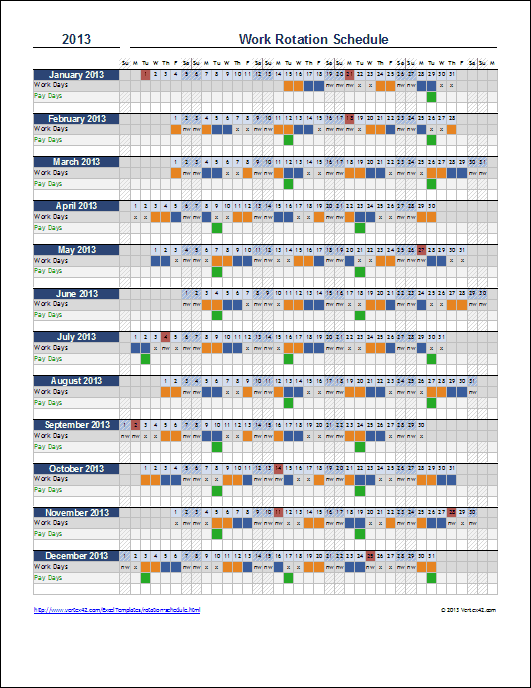
When designing your template, focus on making it easy to read and understand at a glance. Visual cues, such as color coding, can also enhance clarity, especially for larger teams or more complex rotations. The goal is to create a living document that serves as a single source of truth for your on-call process.
Ensuring fairness in the rotation is crucial for team morale. Try to rotate team members through different slots including weekends, holidays, and regular business hours, to distribute the burden evenly over time. This approach prevents burnout and shows your team that their well-being is a priority. A well-designed weekly on call rotation schedule template is the backbone of a successful incident response strategy, promoting efficiency and peace of mind.
Best Practices for Managing Your On Call Schedule Effectively
Creating a schedule is just the first step; effectively managing and maintaining it is where the real challenge lies. A static schedule quickly becomes outdated if not regularly reviewed and adjusted. Proactive management ensures that the schedule remains relevant, responsive to changes, and continues to support your team and your operations without unnecessary stress.
Clear communication is paramount. Every team member needs to know when their on-call shifts are, any changes to the schedule, and where to find critical information. Establishing clear channels for communication and ensuring timely updates can prevent miscommunications that could lead to missed alerts or slow response times.
Consider integrating technology to streamline the management of your on-call schedule. Modern tools offer features that go beyond simple scheduling, providing immense value to your incident response process. Here are some key practices:
- Automate Notifications: Use scheduling software to send reminders and alerts to team members before their shifts begin.
- Establish Clear Handoff Protocols: Document a precise process for how on-call responsibilities are transferred, including any open issues or critical information.
- Provide Comprehensive Documentation: Maintain a knowledge base or runbook with solutions to common issues, accessible to all on-call team members.
- Regularly Review and Adapt: Conduct periodic reviews of the schedule to assess its effectiveness and make adjustments based on feedback or changes in operational needs.
- Support Your On Call Team: Acknowledge the demands of on-call duty and provide resources, training, and opportunities for feedback to improve their experience.
Preventing burnout is a key concern for any team with an on-call rotation. Implement strategies like adequate rest periods between shifts, opportunities for team members to swap shifts when necessary, and clearly defined escalation paths that prevent a single individual from being overwhelmed. Supporting your team fosters a healthier work environment and ensures sustained effectiveness.
Ultimately, the goal is to create a sustainable and efficient on-call system that protects your services and supports your team. By combining a thoughtfully constructed schedule with proactive management and leveraging appropriate tools, you can transform what can be a stressful obligation into a well-oiled, dependable operation that benefits everyone involved.
Implementing a well-structured on-call rotation is a foundational step toward operational excellence. It brings clarity, fairness, and reliability to a critical function, ensuring that your systems are always watched over and any issues are addressed promptly. By following these guidelines, you can significantly reduce stress for your team and improve overall incident response efficiency.
Embracing these practices means building a resilient team capable of handling unforeseen challenges with confidence and minimal disruption. It fosters an environment where team members feel supported and understood, leading to greater job satisfaction and better performance when it matters most.