In today’s fast-paced digital world, mobile devices have become indispensable tools for both personal and professional use. From smartphones to tablets and wearables, these devices connect us, enhance our productivity, and often hold a treasure trove of sensitive information. However, this convenience comes with inherent risks that, if not properly managed, can lead to significant data breaches, financial losses, and reputational damage for individuals and organizations alike.
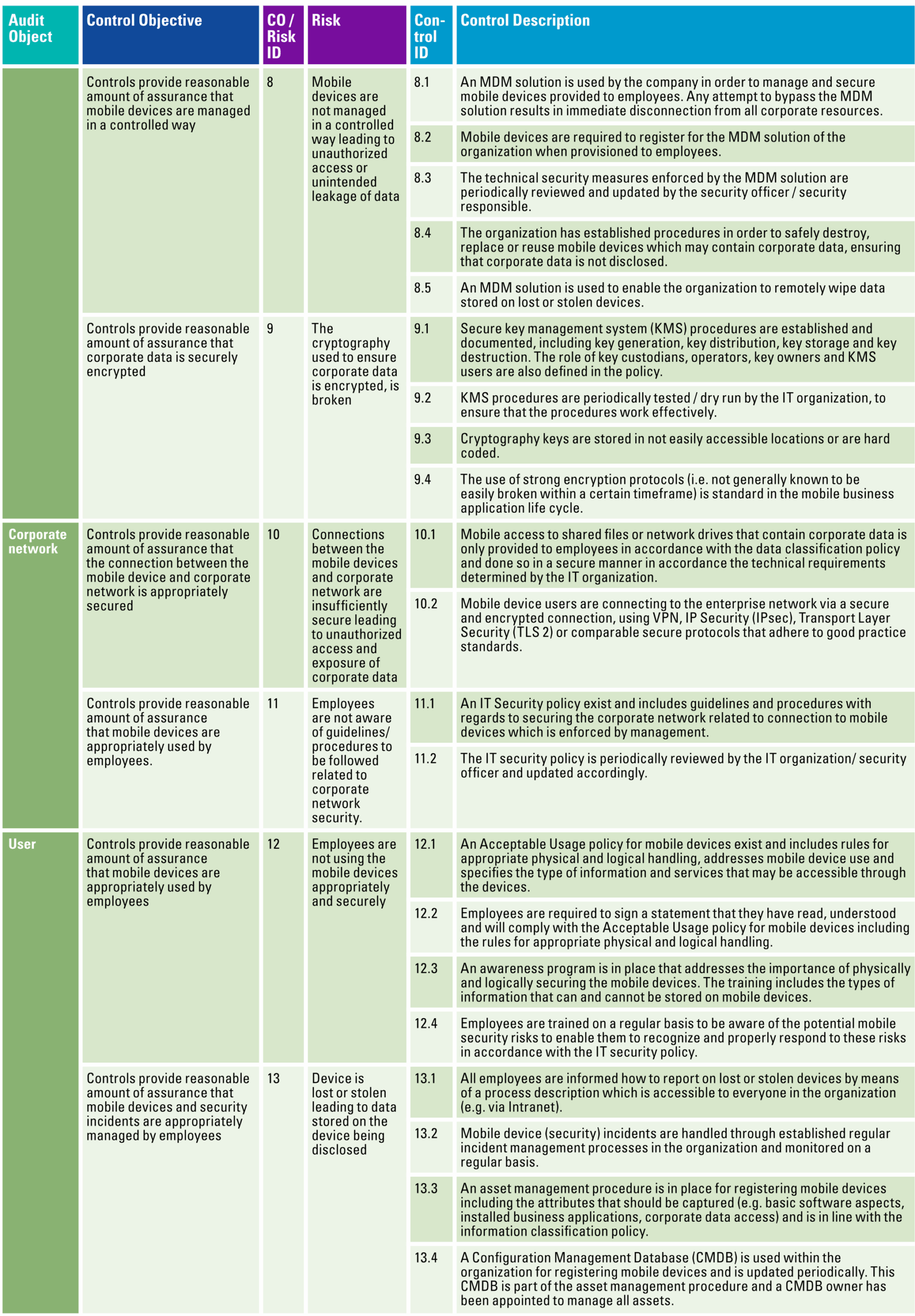
Navigating the complex landscape of mobile security requires a structured and proactive approach. Simply hoping for the best isn’t a strategy. That’s where a well-designed mobile device risk assessment template comes into play, providing a systematic framework to identify, evaluate, and mitigate potential threats before they escalate into major incidents. It helps you understand where your vulnerabilities lie and how best to protect your valuable assets.
Understanding Mobile Device Risks in Today’s Digital Landscape
The proliferation of mobile devices across all industries has introduced a dynamic set of security challenges. These devices are often exposed to less controlled environments than traditional desktop computers, making them prime targets for various types of attacks. Risks range from malware and phishing attempts to physical loss or theft, and even insider threats stemming from negligence or malicious intent. Data leakage, unauthorized access to corporate resources, and compliance violations are just a few of the potential consequences when mobile device security is overlooked.
The impact of these risks can be far-reaching, affecting an organization’s bottom line, customer trust, and legal standing. A single data breach can result in hefty fines, loss of intellectual property, and irreparable damage to a company’s brand image. Moreover, with employees increasingly using their personal devices for work (BYOD – Bring Your Own Device), the security perimeter expands, making comprehensive risk management even more critical. It’s no longer enough to secure the office network; the security needs to follow the data, wherever it travels on a mobile device.
To effectively counteract these threats, organizations need a clear, actionable plan. A mobile device risk assessment template serves as this vital blueprint, guiding security teams through the process of identifying specific risks, understanding their potential impact, and evaluating existing controls. It helps in creating a holistic view of the organization’s mobile security posture, allowing for informed decision-making and strategic resource allocation to the most critical areas.
Key Areas to Cover in Your Assessment
- Device Security Configuration: Evaluate baseline security settings like strong password policies, screen lock enforcement, and device encryption.
- Application Security: Assess the risks associated with installed apps, including permissions, source (app store vs. sideloading), and potential for malicious behavior.
- Network Security: Examine how devices connect to Wi-Fi, cellular networks, and VPNs, looking for vulnerabilities like insecure public Wi-Fi usage.
- Physical Security and Loss: Address the risks of devices being lost or stolen and the measures in place for remote wipe or lock capabilities.
- Data Security and Access Control: Review how sensitive data is stored, processed, and transmitted on devices, and who has access to it.
- User Behavior and Awareness: Consider the human element, including user training, adherence to security policies, and susceptibility to social engineering.
- Incident Response Planning: Evaluate the readiness to respond to mobile security incidents, from detection to containment and recovery.
By systematically examining each of these areas, a mobile device risk assessment template ensures that no critical aspect of mobile security is overlooked, providing a robust foundation for building a resilient defense strategy.
Building Your Effective Mobile Device Risk Assessment Template
Creating a truly effective mobile device risk assessment template isn’t just about filling in boxes; it’s about tailoring a dynamic tool that reflects your organization’s unique environment, regulatory requirements, and risk tolerance. While off-the-shelf templates can provide a good starting point, customizing them ensures they resonate with your specific operational context. Begin by clearly defining the scope of your assessment, including the types of mobile devices used, the data they access, and the business processes they support.
The initial phase involves a thorough inventory of all mobile assets within your organization, whether company-issued or personal devices used for work. For each asset, you’ll need to identify the data it processes or stores, classifying it by sensitivity level (e.g., public, internal, confidential, restricted). Understanding the value of the data is crucial because it helps prioritize mitigation efforts. Moreover, engaging key stakeholders from IT, HR, legal, and department heads ensures a comprehensive perspective on mobile device usage and associated risks.
A robust mobile device risk assessment template will typically include sections for identifying potential threats and vulnerabilities unique to mobile platforms. This involves thinking about common attack vectors such as outdated operating systems, unpatched applications, weak authentication mechanisms, and the risks associated with open Wi-Fi networks. For each identified risk, you’ll need to assess both its likelihood of occurrence and its potential impact on the organization, using a consistent scoring method (e.g., low, medium, high).
Once risks are identified and analyzed, the template should facilitate the evaluation of existing controls. Are there already measures in place that mitigate these risks, such as Mobile Device Management (MDM) solutions, strong password policies, or user training programs? The template should then help calculate the residual risk – the risk that remains after current controls are applied. For any unacceptable residual risks, the template should prompt for the development of specific mitigation strategies, assign responsibilities, and set realistic timelines for implementation.
- Device Inventory and Ownership: A complete list of all mobile devices, their users, and whether they are company-owned or personal.
- Data Classification and Sensitivity: Categorization of data accessed or stored on devices based on its criticality and potential impact if compromised.
- Threat Identification: Listing potential threats like malware, phishing, physical theft, and unauthorized access.
- Vulnerability Assessment: Identifying weaknesses in devices, apps, or configurations (e.g., outdated OS, lack of encryption).
- Likelihood and Impact Scoring: Quantifying the probability of a risk occurring and the severity of its consequences.
- Current Controls Evaluation: Documenting existing security measures and their effectiveness in mitigating identified risks.
- Recommended Mitigation Actions: Outlining specific steps to reduce unacceptable risks to an acceptable level.
- Responsibility and Due Dates: Assigning owners for each mitigation action and setting deadlines for completion.
Remember, a mobile device risk assessment template is not a static document. It should be reviewed and updated regularly to adapt to evolving threats, new technologies, and changes in organizational policies. This ongoing process ensures that your mobile security posture remains resilient and responsive to the ever-changing digital landscape.
Implementing a rigorous process for assessing mobile device risks is a cornerstone of modern cybersecurity. It allows organizations to move beyond reactive problem-solving to a proactive and strategic approach, identifying vulnerabilities before they can be exploited. By systematically evaluating threats and understanding their potential impact, businesses can make informed decisions about where to invest resources and how to best protect their valuable information assets.
Ultimately, establishing a robust framework for mobile security empowers organizations to embrace the benefits of mobile technology while effectively managing its inherent risks. It builds a culture of security awareness and ensures that mobile devices, which are so integral to daily operations, become a strength rather than a weakness in the overall security posture.