Navigating the complex world of information security can often feel like trying to solve a puzzle with missing pieces. In an era where digital threats are constantly evolving and regulatory requirements are ever-tightening, simply reacting to incidents is no longer a viable strategy. Organizations, regardless of size or industry, need a proactive approach to identify and address vulnerabilities before they can be exploited.
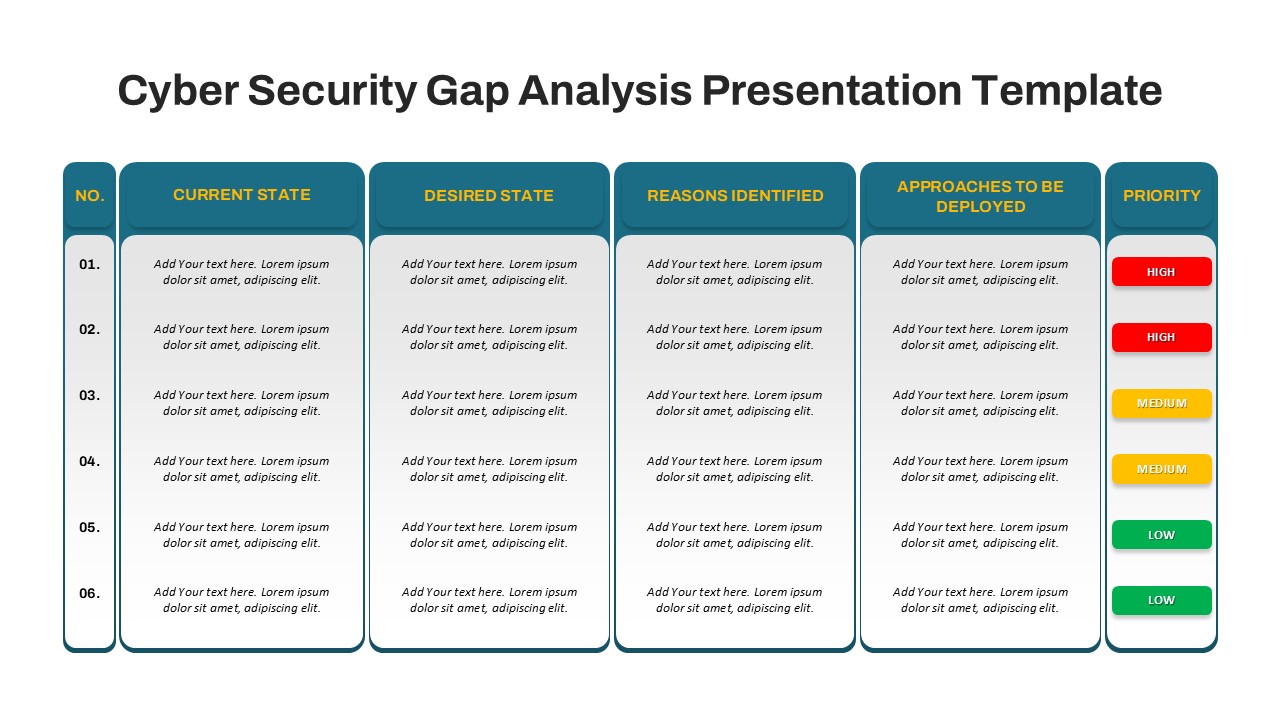
This is where understanding your current security posture becomes paramount. It’s about taking a clear, honest look at where you stand, comparing it against where you need to be, and charting a course to bridge that distance. A structured methodology is key to making this process efficient and effective, turning potential chaos into a clear roadmap for improvement.
Understanding the Core of a Gap Assessment in Information Security
At its heart, a gap assessment in information security is a systematic process designed to compare your organization’s current security practices and controls against a defined standard, framework, or desired state. Think of it as a comprehensive health check for your digital defenses. It’s not just about finding flaws, but about understanding the disparity between what you *have* and what you *should have* to adequately protect your sensitive information and critical systems. This crucial step provides a baseline, illuminating areas of non-compliance, weakness, or inefficiency that could expose your organization to unacceptable risks.
The true value of undertaking such an assessment lies in its ability to transform abstract security goals into actionable tasks. Instead of vague concerns about “being secure,” a gap assessment yields concrete findings and recommendations. It helps prioritize efforts, ensuring that resources are allocated to address the most critical vulnerabilities first, thereby maximizing the impact of your security investments. Without this clear picture, organizations often find themselves reacting to incidents rather than proactively preventing them, a strategy that inevitably proves more costly in the long run.
Moreover, regulatory bodies and compliance frameworks like ISO 27001, NIST, GDPR, HIPAA, and others increasingly mandate a structured approach to information security management. A thorough gap assessment provides the foundational evidence necessary to demonstrate due diligence and commitment to these standards. It builds a narrative of continuous improvement, showing auditors and stakeholders that your organization is actively managing its security posture and striving for excellence, rather than merely checking boxes.
Key Benefits of Performing a Regular Information Security Gap Assessment
The insights gained from this process are invaluable, informing strategic security planning and helping to embed a culture of security awareness throughout the organization. Utilizing a well-structured gap assessment template information security professionals can systematically evaluate controls, identify discrepancies, and formulate targeted remediation plans, moving from reactive measures to a truly proactive defense strategy.
Crafting and Utilizing Your Gap Assessment Template for Information Security Success
An effective gap assessment template for information security is more than just a checklist; it’s a strategic tool that guides a comprehensive review of your security landscape. Its design should be logical, adaptable, and sufficiently detailed to cover various domains of information security, from physical access controls to incident response protocols and data encryption. A robust template ensures consistency across assessments, allowing for easier comparison over time and providing a clear framework for reporting findings to management and stakeholders. It should prompt specific questions and require concrete evidence, moving beyond subjective opinions to objective evaluations of your controls.
The best templates often draw inspiration from established security frameworks or standards relevant to your industry. For instance, if your organization aims for ISO 27001 certification, your template would meticulously map current controls against the Annex A requirements. Similarly, if you operate within the US federal government supply chain, aligning with the NIST Cybersecurity Framework would be paramount. This alignment helps define the “desired state” against which your current “as-is” state is measured, making the identification of gaps straightforward and providing a clear path for remediation actions.
Using the template effectively involves a methodical approach. First, clearly define the scope of the assessment, identifying which systems, processes, and data will be included. Next, gather relevant documentation such as security policies, procedures, network diagrams, and previous audit reports. Engage with key personnel across different departments, conducting interviews and observations to understand current practices. Each control or requirement within the template should be assessed individually, noting its current status, whether it meets the desired standard, and if not, the specific nature of the gap.
Key Sections to Include in Your Gap Assessment Template
This structured approach not only helps in systematically identifying gaps but also facilitates the development of a targeted remediation plan. Each identified gap should be accompanied by a recommended action, assigned ownership, and a realistic timeline for completion. This transforms the gap assessment from a diagnostic exercise into a powerful engine for continuous security improvement, ensuring that the organization not only identifies its shortcomings but actively works to overcome them, making your information security posture progressively stronger over time.
Embracing a systematic approach to evaluating your information security landscape is no longer optional; it’s a foundational element of responsible digital governance. By thoroughly understanding where your current defenses stand in relation to established best practices and regulatory mandates, organizations can make informed decisions, allocate resources wisely, and build a more resilient infrastructure. This proactive stance ensures that you are not just responding to threats, but actively shaping your environment to mitigate them.
The journey towards robust information security is ongoing, characterized by constant vigilance and a commitment to improvement. By regularly assessing your capabilities and systematically addressing identified gaps, you cultivate a culture of security that protects your most valuable assets, safeguards your reputation, and builds enduring trust with all stakeholders.