Ensuring the safety of your tenants is undoubtedly a top priority for any private landlord. Beyond just providing a roof over their heads, there are significant responsibilities, both moral and legal, to safeguard them from potential hazards, with fire being one of the most critical. A clear understanding of fire safety measures and the proactive steps needed to implement them can prevent devastating accidents, protect your property, and ensure you remain compliant with the law.
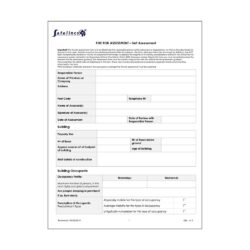
This isn’t just about installing a few smoke alarms; it involves a comprehensive look at your property’s potential fire risks. Conducting a thorough fire risk assessment is essential for every rented dwelling. For many private landlords, this can seem like a daunting task, but thankfully, a structured approach is available. Using a robust fire risk assessment template for private landlords can simplify this vital process, guiding you step-by-step through identifying hazards, evaluating risks, and implementing necessary precautions.
Understanding Your Responsibilities as a Private Landlord
As a private landlord, you are legally obligated to ensure the fire safety of your rental properties and, by extension, your tenants. In many regions, specific legislation, such as the Regulatory Reform Fire Safety Order 2005 in the UK, designates landlords as “responsible persons” for their properties. This means you must take reasonable steps to reduce the risk of fire and ensure that your tenants can escape safely if a fire does occur. Failing to meet these obligations can lead to severe penalties, including hefty fines or even imprisonment, not to mention the immense human cost if a fire were to break out.
Your responsibilities extend beyond just meeting minimum requirements. It involves an ongoing commitment to identifying potential fire hazards, assessing who might be at risk, and implementing appropriate preventative and protective measures. This proactive approach ensures that your property is not only compliant today but remains safe into the future, adapting to any changes in the property or tenancy.
Key Areas a Fire Risk Assessment Should Cover
A comprehensive fire risk assessment isn’t just a tick-box exercise; it’s a systematic review of all aspects of fire safety within your property. It requires careful consideration of various elements to truly minimize danger.
A thorough assessment, ideally guided by a structured template, should address:
* Identification of fire hazards: This includes potential sources of ignition (electrical faults, cooking appliances, heating systems, smoking materials), sources of fuel (furniture, curtains, refuse, flammable liquids), and sources of oxygen (ventilation systems).
* People at risk: Consider who might be particularly vulnerable in the event of a fire, such as elderly tenants, young children, individuals with disabilities, or those unfamiliar with the property’s layout.
* Means of escape: Evaluate whether escape routes are clear, unobstructed, and well-maintained, including fire doors where applicable, and that they lead to a place of ultimate safety.
* Fire detection and warning systems: Assess the suitability and functionality of smoke alarms, heat detectors, and carbon monoxide alarms, ensuring they are correctly located, regularly tested, and properly maintained.
* Firefighting equipment: Determine if appropriate fire extinguishers or fire blankets are provided, where necessary, and if tenants are aware of their location and basic usage.
* Maintenance and testing regimes: Establish a schedule for regular testing of alarms, electrical appliances, and gas systems, along with a plan for periodic review of the overall fire risk assessment.
* Emergency plans and information for tenants: Ensure tenants are provided with clear instructions on what to do in case of fire, including escape routes and assembly points, and who to contact in an emergency.
By meticulously examining these areas, you can develop a robust fire safety strategy tailored to your specific property, ensuring peace of mind for both you and your tenants. A well-designed fire risk assessment template for private landlords provides the framework to cover all these critical points comprehensively.
How to Effectively Use a Fire Risk Assessment Template
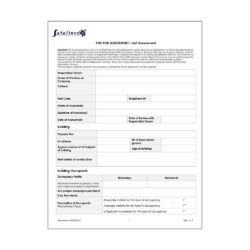
Utilizing a fire risk assessment template isn’t merely about filling in blanks; it’s about systematically guiding you through the essential steps to identify, evaluate, and mitigate fire risks in your rental property. The template serves as a roadmap, ensuring that you don’t overlook any critical areas and that your assessment is thorough and compliant. It encourages a structured thought process, transforming what might seem like an overwhelming task into a manageable checklist.
Begin by familiarizing yourself with the template’s sections. Most templates will prompt you to gather basic information about the property, such as its address, type, and occupancy. Then, you’ll move into the core of the assessment, starting with identifying potential fire hazards. Walk through each room and area of the property, mentally (and physically) noting anything that could cause a fire or fuel one. This includes checking electrical sockets for overloading, assessing the condition of appliances, looking for clutter in escape routes, and considering the types of materials present that could easily ignite.
Next, the template will guide you to consider the people at risk. Think about your specific tenants – do they have any particular vulnerabilities that might affect their ability to respond to a fire? Are there children, elderly individuals, or people with mobility issues? This consideration helps tailor your safety measures to the actual occupants. After identifying hazards and people at risk, you’ll evaluate the existing fire safety measures. Are smoke alarms working and correctly positioned? Are fire doors present where required and in good condition? Are escape routes clear and well-lit?
The final crucial step involves recording your findings, outlining any deficiencies, and planning actions to address them. The template will provide spaces for you to document what actions need to be taken, who is responsible for carrying them out, and by when. It’s vital to be specific with your action plan. For instance, if a smoke alarm is faulty, the action might be “Replace faulty smoke alarm in living room by [Date] – [Responsible Person].” Once actions are completed, mark them off.
Remember, a fire risk assessment is not a one-off task. The template should also prompt you to set a review date. Fire risks can change over time due to new tenants, property modifications, or even new furniture. Therefore, it’s recommended to review your assessment annually, or whenever there’s a significant change to the property or its occupants. Maintaining clear, accessible records of your assessments and subsequent actions is crucial for demonstrating due diligence and compliance.
Undertaking a comprehensive fire risk assessment is a fundamental responsibility for every private landlord. It offers not only protection against legal repercussions but, more importantly, provides peace of mind, knowing that you’ve taken proactive steps to safeguard your tenants’ lives and your valuable investment. By systematically identifying potential fire hazards, evaluating existing safety measures, and implementing necessary improvements, you create a safer living environment for everyone.
Embracing this proactive approach to fire safety is an ongoing commitment rather than a one-time chore. Regular reviews and updates to your fire risk assessment ensure that your property remains compliant and secure against evolving risks. By taking this responsibility seriously, you uphold your duty of care, contributing significantly to the well-being and security of your tenants and the longevity of your rental business.