Embarking on any project, big or small, always carries the potential for far-reaching effects. While we often focus on the immediate deliverables and timelines, understanding the broader consequences of our work is just as crucial. These effects can ripple through an organization, touch its customers, and even influence wider communities or the environment. It is this understanding of potential outcomes that can truly elevate a project from merely completed to truly successful.
Effective project management isn’t just about getting things done; it’s about getting the right things done in the right way, with minimal negative externalities and maximum positive impact. Proactively evaluating these impacts helps teams anticipate challenges, capitalize on opportunities, and ensure that their efforts align with strategic goals and ethical responsibilities. This foresight empowers project managers to make informed decisions, secure stakeholder buy-in, and steer their projects towards more sustainable and beneficial results.
Understanding Project Impact Assessment
Project impact assessment is essentially a structured way of looking beyond the project’s immediate objectives to consider its wider effects. It’s about asking, “What happens when this project is implemented?” and exploring the answers comprehensively. This process helps us identify both the good and the bad consequences, allowing us to plan for them strategically. By taking a holistic view, we can uncover potential risks that might otherwise go unnoticed, or conversely, discover unforeseen opportunities for value creation. It transforms the project from an isolated effort into an integral part of an organization’s ecosystem.
The benefits of conducting a thorough impact assessment are numerous and profound. It helps in allocating resources more effectively by highlighting areas where investment can yield the greatest positive return or mitigate the most significant risks. It fosters better communication with stakeholders by providing a clear picture of what to expect, thereby building trust and securing their support. Moreover, it serves as a powerful learning tool, offering insights that can inform future projects and refine organizational processes. Without this foresight, projects can inadvertently create new problems, diminish value, or even undermine an organization’s reputation.
Key Elements to Assess
When thinking about the different facets of impact, it’s helpful to categorize them to ensure nothing is overlooked. A comprehensive assessment considers a variety of dimensions:
By breaking down impact into these distinct categories, teams can conduct a more focused and detailed analysis. This structured approach helps ensure that all relevant areas are considered, providing a robust foundation for decision-making. It moves beyond a superficial understanding to a deep dive into the multifarious ways a project can shape its environment.
Building Your Own Project Management Impact Assessment Template
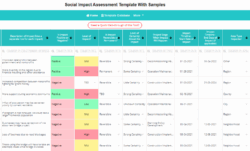
Creating a useful project management impact assessment template doesn’t have to be complicated, but it does need to be thoughtfully designed to be effective. The goal is to provide a consistent framework that can be applied to various projects, allowing for systematic evaluation and comparison. A good template acts as a checklist and a guide, prompting the right questions and ensuring that all critical areas are addressed before, during, and after project execution. It standardizes the process, making impact assessment a repeatable and integral part of your project lifecycle.
When developing your template, think about the core information you’ll need to capture for any project. It should be flexible enough to accommodate different project types and scales, yet structured enough to ensure consistency. Consider starting with essential sections that gather basic project information, and then expand to more detailed analytical components. The act of filling out such a template forces a deeper engagement with the project’s potential outcomes, encouraging proactive problem-solving and strategic planning. This isn’t just a document; it’s a strategic tool for foresight.
Here are some essential components you might include in your project management impact assessment template:
Remember, this template is a living document. It should be reviewed and updated as the project progresses and as new information becomes available. Regularly revisiting the impact assessment helps in adapting to changing circumstances and ensures that the project remains aligned with its intended outcomes and continues to deliver value. A well-designed project management impact assessment template empowers teams to navigate complexity with confidence and clarity.
Embracing project impact assessment as a core practice transforms how projects are conceived, planned, and executed. It shifts the focus from merely achieving outputs to delivering meaningful outcomes that resonate with organizational values and broader societal needs. By systematically considering the ripple effects of their work, teams can proactively shape a more positive future, making their projects not just successful in isolation but deeply valuable contributors to their ecosystem.
Ultimately, the commitment to understanding and managing project impact is a testament to an organization’s maturity and its dedication to responsible growth. It’s an investment in foresight that pays dividends in reduced risks, enhanced value, and a stronger foundation for future endeavors. Through thoughtful assessment, every project has the potential to leave a legacy of progress and positive change.