Embarking on a Community Health Needs Assessment, or CHNA, is a critical step for any healthcare organization, public health agency, or community group aiming to truly understand and address the unique health challenges faced by their population. It’s more than just gathering data; it’s about painting a comprehensive picture of a community’s well-being, identifying disparities, and pinpointing areas where interventions can have the most significant impact. This process, while incredibly valuable, can often feel overwhelming due to its scope and complexity, demanding careful planning and execution to yield meaningful insights.

That’s where having a structured approach, often guided by a reliable framework, becomes indispensable. Imagine having a roadmap that guides you through each phase, ensuring no crucial step is missed and that your efforts are consistently focused. Such a tool not only streamlines the entire assessment journey but also enhances the quality and actionability of your findings, transforming raw data into clear, actionable strategies that genuinely improve community health.
Why a Structured Approach to CHNA is Essential
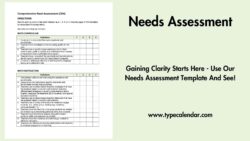
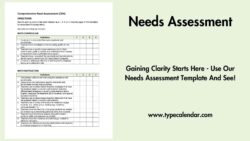
Conducting a thorough Community Health Needs Assessment can feel like navigating a dense forest without a compass. There are countless data points to consider, numerous stakeholders to engage, and a vast array of health indicators to analyze. Without a clear, organized method, organizations risk overlooking critical issues, misinterpreting data, or even expending valuable resources on initiatives that don’t align with the community’s most pressing needs. This is precisely why a well-designed community health needs assessment template is not just a convenience, but a fundamental necessity for success.
A robust template provides that much-needed compass, offering a consistent framework that guides teams through every stage of the assessment. It ensures that data collection is comprehensive, analyses are systematic, and findings are presented in a clear, actionable manner. By standardizing the process, a template helps to maintain quality and comparability across different assessments or over time, making it easier to track progress and demonstrate impact. It simplifies the complex task of identifying health priorities, fostering a more efficient and effective path towards community well-being.
Furthermore, a structured template encourages broader participation and transparency. When stakeholders, from local government officials to community residents, can clearly see the framework being used, they are better equipped to contribute their insights and understand how their input fits into the larger picture. This collaborative environment is crucial for building trust and ensuring that the identified needs truly reflect the community’s lived experiences. Ultimately, a template serves as a powerful organizational tool that transforms a potentially daunting undertaking into a manageable and highly productive endeavor. It’s about bringing order to complexity, allowing health professionals and community leaders to focus on what matters most: improving lives.
Key Phases a Robust Template Covers
- **Defining Scope and Goals:** Clearly outlining what the assessment aims to achieve, the geographical area it covers, and the specific populations it will focus on.
- **Data Collection and Analysis:** Guiding the gathering of both primary (surveys, interviews, focus groups) and secondary (existing health statistics, demographic data) information, followed by methods for interpreting this data.
- **Identifying Health Priorities:** Establishing criteria for evaluating and prioritizing the identified health needs, often involving community input to rank issues based on severity, impact, and feasibility of intervention.
- **Developing Action Plans:** Translating prioritized needs into concrete, measurable strategies and initiatives, including resource allocation and timelines.
- **Evaluation and Reporting:** Outlining how the effectiveness of interventions will be measured and how findings will be communicated to stakeholders and the wider community.
Building Your Community Health Needs Assessment Template for Success
While a ready-made template offers an excellent starting point, the most effective approach often involves customizing it to perfectly fit the unique characteristics and requirements of your specific community and organization. No two communities are exactly alike, and what works perfectly in one setting might need significant adaptation in another. Tailoring your community health needs assessment template ensures that it resonates with local context, allowing you to capture nuances that generic frameworks might miss and ultimately leading to more relevant and impactful health interventions.
Consider the demographics, cultural values, existing health infrastructure, and historical context of your community when adapting your template. Are there specific health disparities unique to your area? Are certain populations historically underserved or underrepresented? Your template should be flexible enough to incorporate these localized factors, perhaps by adding specific questions in surveys or including dedicated sections for qualitative data that reflects community narratives. This customization isn’t just about tweaking fields; it’s about embedding local wisdom and priorities directly into the assessment process.
Engaging community members in the template customization process itself can be incredibly empowering. By involving them early on, you foster a sense of ownership and ensure that the assessment tools are culturally sensitive and reflective of their genuine concerns. This collaborative approach can involve holding focus groups with residents, consulting local leaders, or even forming a community advisory committee to review and provide feedback on the template’s structure and content. Their insights can help fine-tune language, identify appropriate data sources, and ensure that the questions asked are relevant and easily understood.
Ultimately, your customized template becomes more than just a document; it becomes a living tool that evolves with your community. Regularly reviewing and updating it based on feedback and changing health landscapes ensures its continued relevance and effectiveness. This iterative process allows you to refine your approach, improve data collection methods, and continually enhance your ability to understand and address the most pressing health challenges, fostering ongoing community engagement and health improvement.
- Executive Summary Section
- Community Profile Data Fields
- Health Indicator Data Tables
- Needs Prioritization Matrix
- Resource Inventory Checklist
- Implementation Plan Framework
- Evaluation Metrics Section
Harnessing a well-constructed and thoughtfully adapted framework significantly streamlines the often complex journey of understanding a community’s health landscape. It transforms a daunting task into a manageable series of steps, ensuring that every effort contributes to a clear and comprehensive picture. By providing structure and guidance, such a tool empowers organizations to gather, analyze, and interpret data with greater efficiency and precision.
The ultimate aim is not just to collect information, but to translate insights into tangible actions that genuinely elevate the health and well-being of residents. A robust template lays the groundwork for evidence-based decision-making, enabling communities to build stronger, healthier futures by addressing their most critical needs with confidence and strategic clarity.