Running a small business involves a lot of moving parts, and managing your finances effectively is paramount to long-term success. Among the many accounting tasks, understanding and tracking depreciation can often feel like a complex puzzle. Depreciation is essentially an accounting method that allows businesses to allocate the cost of a tangible asset over its useful life, rather than expensing the entire cost in the year it was purchased. It’s crucial for accurate financial reporting and maximizing tax deductions, but keeping up with all your assets and their declining value can be quite a challenge without the right tools.
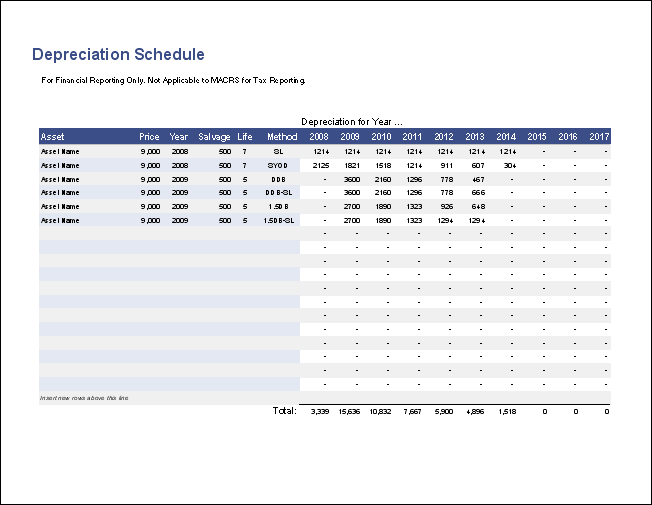
This is where a well-structured system becomes invaluable. Many small business owners find themselves juggling spreadsheets, receipts, and various calculations to ensure they’re properly accounting for their assets. The good news is that you don’t have to reinvent the wheel. Utilizing a dedicated small business depreciation schedule template can significantly streamline this process, saving you time, reducing errors, and ensuring you’re fully compliant with accounting standards and tax regulations. Let’s explore why this tool is a game-changer for your business’s financial health.
Understanding the Importance of a Depreciation Schedule for Your Business
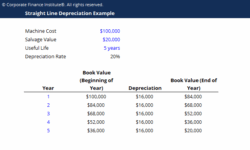
A depreciation schedule is more than just a list of assets; it’s a comprehensive document that provides a detailed breakdown of each depreciable asset your business owns, along with its cost, useful life, and how its value is expensed over time. For small businesses, this document is critical for several reasons. Firstly, it ensures that your financial statements accurately reflect the true value of your assets. Instead of showing a massive expense for a new piece of equipment in one year, depreciation spreads that cost out, presenting a more realistic picture of your company’s profitability and financial position.
Secondly, and perhaps most importantly for many small business owners, a depreciation schedule plays a vital role in tax planning and compliance. The IRS allows businesses to deduct a portion of the cost of their assets each year through depreciation. Without a clear schedule, you risk missing out on valuable tax deductions that can significantly reduce your taxable income. This could lead to overpaying taxes, which is something no business owner wants to do. It also helps in providing clear documentation if your business ever faces an audit, proving that your deductions are legitimate and properly calculated.
Furthermore, a well-maintained depreciation schedule aids in strategic financial forecasting and budgeting. By understanding the remaining book value of your assets and when they might need replacement, you can better plan for future capital expenditures. This foresight allows for more informed decision-making regarding equipment upgrades, expansion plans, and overall cash flow management, preventing unexpected financial shocks. It transforms a potentially daunting task into a strategic financial tool.
Key Elements of a Depreciation Schedule
Using a template simplifies the process of tracking all necessary data. Here are the core pieces of information typically included:
- Asset Description: A clear name for the asset (e.g., “Office Printer,” “Delivery Van”).
- Date Placed in Service: The exact date the asset began being used for business purposes.
- Cost Basis: The original cost of the asset, including purchase price and any costs to get it ready for use.
- Useful Life: The estimated period over which the asset is expected to be productive for the business.
- Salvage Value: The estimated residual value of the asset at the end of its useful life.
- Depreciation Method: The chosen accounting method (e.g., straight-line, declining balance).
- Annual Depreciation Expense: The amount of depreciation recognized each year.
- Accumulated Depreciation: The total depreciation recognized for the asset up to a given date.
- Net Book Value: The asset’s original cost minus its accumulated depreciation.
Understanding these components helps ensure that your template is comprehensive and effective. Different assets and business types might favor different depreciation methods, and a robust schedule can accommodate these variations seamlessly, allowing for flexibility and accuracy.
Leveraging Your Small Business Depreciation Schedule Template Effectively
Once you understand the ‘why,’ the ‘how’ becomes much simpler with the right template. Finding a suitable small business depreciation schedule template can be done through various avenues. Many accounting software solutions offer integrated depreciation tracking, or you can find numerous free or affordable templates online, often in spreadsheet formats like Excel or Google Sheets. The key is to choose one that is clear, easy to understand, and customizable to your specific business needs and the types of assets you own. A good template will guide you through inputting the necessary data for each asset, ensuring consistency.
Populating your template correctly requires good record-keeping. Make sure to gather all purchase receipts, invoices, and relevant documentation for every depreciable asset your business acquires. This includes the original cost, the date it was put into service, and any other details that might impact its useful life or salvage value. Carefully inputting this information into your template is the foundation for accurate depreciation calculations. Regular updates are also crucial; as you acquire new assets or dispose of old ones, your depreciation schedule needs to reflect these changes promptly.
The benefits of consistently using such a template extend beyond mere compliance. It provides a real-time snapshot of your asset’s financial standing, which is invaluable for making informed decisions.
- Streamlined Record-Keeping: Centralizes all asset information in one accessible document.
- Enhanced Accuracy: Reduces the chances of errors in depreciation calculations.
- Informed Decision-Making: Helps in budgeting for future asset replacements and upgrades.
- Simplified Tax Preparation: Provides all necessary data for tax filings, reducing stress during tax season.
- Better Financial Planning: Offers clearer insights into your business’s financial health over time.
Ignoring the systematic tracking of depreciation can lead to significant headaches down the line, from inaccurate financial statements to missed tax opportunities. While a template provides a strong framework, it’s always wise to consult with an accountant or tax professional, especially when dealing with complex assets or significant changes in tax law. They can ensure you’re utilizing the most advantageous depreciation methods and staying fully compliant, allowing you to focus on growing your business with confidence.
Embracing a systematic approach to asset management through a dedicated depreciation schedule is a smart move for any small business. It transforms a potentially overwhelming task into a manageable and strategic component of your financial operations. By consistently tracking your assets’ value, you gain greater clarity, ensure tax compliance, and build a stronger foundation for sustained business growth and profitability.