Navigating the complexities of modern manufacturing often feels like juggling a dozen different balls at once. From raw material input to the final product shipment, every step generates a mountain of information. Keeping track of all this vital operational data isn’t just good practice; it’s absolutely essential for efficiency, quality, and compliance. This is precisely where a well-designed manufacturing data record template comes into play, offering a structured, reliable way to capture and organize the intelligence that drives your production line.

Think about it: every batch produced, every machine setting adjusted, every quality check performed creates a data point. Without a consistent system for logging these details, valuable insights can be lost in a sea of ad-hoc notes or fragmented spreadsheets. A robust template acts as the backbone for your data collection, ensuring that nothing important is overlooked and that information is standardized across shifts and production runs.
Ultimately, the goal isn’t just to record data for the sake of it, but to transform that raw information into actionable knowledge. By embracing a systematic approach to data capture, manufacturers can unlock deeper understanding of their processes, identify areas for improvement, and maintain higher standards of product quality.
The Core Components of an Effective Manufacturing Data Record Template
Creating a template that truly serves your manufacturing needs goes beyond simply listing items. It involves a thoughtful design process to ensure every critical piece of information is captured consistently, accurately, and in a format that’s easy to use and analyze. A comprehensive template acts as a blueprint for your operational data, laying the groundwork for better decision-making and continuous improvement.
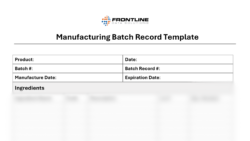
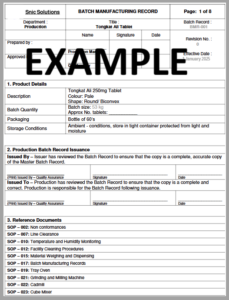
First and foremost, any good template starts with basic identification details. This means clearly recording information such as the product name or SKU, the specific batch or lot number being processed, the date and time of production, and the operator or team responsible. These fundamental data points are crucial for traceability and serve as the primary identifiers for all subsequent information collected during the manufacturing process.
Next, consider the raw materials and components that go into your product. A robust template should have sections to record supplier information, lot numbers for incoming materials, and quantities used. Similarly, details about the equipment employed are vital. This might include machine ID numbers, specific settings or parameters configured for the run, and even calibration dates to ensure accuracy.
Process parameters are another critical area. Depending on your industry, this could encompass a wide array of metrics like temperature, pressure, speed, duration, humidity, or any other variable that directly influences the manufacturing process. Recording these values at key stages helps ensure consistency and allows for troubleshooting if deviations occur. It’s often beneficial to note both target values and actual measured values.
Quality control checks deserve their own dedicated section. This is where you document inspections, measurements taken during production, results of any tests performed, and observations related to product attributes. Whether it’s a visual inspection for defects, dimensional measurements, or functional tests, having a clear space to log these outcomes is paramount. Any deviations from specifications should also be noted, along with initial corrective actions taken.
Finally, a truly effective manufacturing data record template will include sections for review and sign-off. This ensures accountability and confirms that the data has been checked for accuracy and completeness. Space for notes or comments allows operators to add context or highlight unusual events that occurred during their shift, providing valuable qualitative data that might otherwise be lost.
Ensuring Data Integrity and Usability
Designing the template isn’t a one-time task; it often benefits from iterative refinement. Engaging the operators who will be using the template daily can provide invaluable insights into its usability and completeness. A template that is difficult to understand or time-consuming to fill out is less likely to be used correctly, compromising the integrity of your data. Simplicity, clarity, and logical flow are key to encouraging consistent and accurate data entry.
Unlocking Benefits: Why Every Manufacturer Needs a Solid Template
Implementing a well-structured system for data collection through a manufacturing data record template can fundamentally transform how your production operates. It moves you away from guesswork and towards data-driven decision-making, which is critical for staying competitive in today’s dynamic market. The impact of such a system extends far beyond simple record-keeping, touching every aspect of your business.
One of the most immediate benefits is enhanced consistency and traceability. With every detail meticulously recorded, it becomes significantly easier to ensure that each product batch meets the same rigorous standards. If a quality issue arises, a complete record allows you to trace back to the exact materials, processes, and personnel involved, identifying root causes swiftly and precisely. This level of traceability is often a non-negotiable requirement for regulatory compliance and customer audits, particularly in regulated industries.
Beyond compliance, a robust data template fuels continuous improvement and operational efficiency. When you have reliable, historical data at your fingertips, you can identify patterns, pinpoint bottlenecks, and understand the impact of process changes. This empowers your team to:
- Optimize machine settings for better output or less waste
- Predict potential equipment maintenance needs
- Improve material usage and reduce scrap
- Standardize best practices across different shifts or production lines
- Reduce human error through clear instructions and required fields
These improvements directly contribute to cost savings, increased production capacity, and a higher quality product delivered to your customers.
By meticulously capturing operational data, you’re not just creating records; you’re building a rich database of institutional knowledge. This invaluable resource allows you to analyze historical trends, predict future outcomes, and make informed strategic decisions that propel your manufacturing operations forward. It’s about transforming raw data into a powerful asset that supports sustained growth and excellence, providing a clearer picture of your past performance and a solid foundation for future innovation.