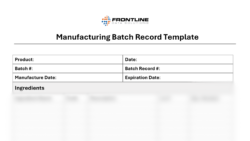
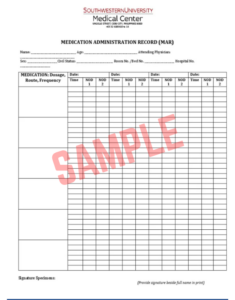
In the highly regulated world of pharmaceuticals, precision and accountability are not just buzzwords; they are fundamental pillars of patient safety and product efficacy. Every step, from raw material to finished product, must be meticulously documented. This is where a robust pharmaceutical batch manufacturing record template becomes an indispensable tool, serving as the definitive chronicle of a product’s journey through production.
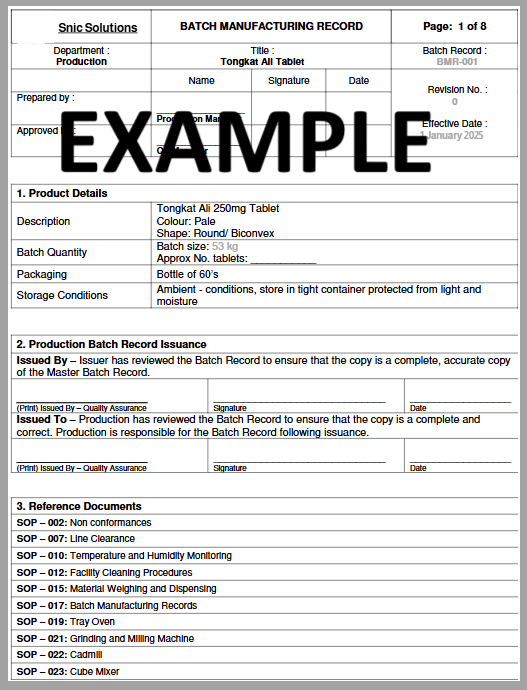
A Batch Manufacturing Record, or BMR, is far more than just a checklist; it’s a comprehensive document that details every instruction, measurement, observation, and deviation that occurs during the manufacturing of a specific batch of a drug product. It ensures that each batch is produced consistently, according to established procedures, and meets all quality specifications. Without a proper BMR, tracing back issues, proving compliance, or even reproducing a successful batch would be nearly impossible.
Understanding the critical role of BMRs, many companies seek efficient ways to manage this extensive documentation. A well-designed template provides a structured approach, streamlining the process, minimizing human error, and ensuring that all necessary information is captured consistently. Let’s delve into what makes a great BMR template and why it’s a cornerstone of good manufacturing practices (GMP).
Deconstructing the Essential Elements of a Comprehensive BMR
A truly effective BMR goes beyond mere data entry; it tells the complete story of a product’s creation, from start to finish. It’s designed to be a living document that guides operators through each stage while simultaneously capturing every critical detail for future reference, quality review, and regulatory audits. This meticulous approach is what separates compliant, high-quality manufacturing from risky, inconsistent production.
At its foundation, every BMR begins with general information specific to the batch. This includes the product name, strength, dosage form, unique batch number, manufacturing dates (start and end), and the identity of the personnel involved in key operations. It also typically references the master batch record (MBR) and any other relevant controlled documents, ensuring that all production adheres to the approved, standardized process.
Following the general details, the template meticulously outlines the raw material dispensing process. Here, each ingredient required for the batch is listed with its unique material code, approved vendor, lot number, quantity dispensed, and expiry date. Crucially, it includes spaces for signatures from both the dispenser and a verifier, adding a critical layer of double-check to prevent errors in material identification and quantity.
The core of the BMR lies in its detailed manufacturing instructions. This section breaks down the entire production process into sequential, easy-to-follow steps. For each step, it specifies the equipment to be used, critical process parameters (like temperature, pressure, mixing speed, time), and expected ranges. Operators record actual values, any deviations, and their observations directly within this section, ensuring real-time documentation of the manufacturing environment.
In-process controls are woven throughout the manufacturing instructions. These are critical quality checks performed at various stages during production, such as pH measurements, blend uniformity tests, tablet hardness, or fill volume checks. The BMR template provides dedicated fields to record results, acceptable limits, and the identity of the person performing and verifying these tests, ensuring that quality is built into every step, not just tested at the end.
Finally, the template guides users through packaging and labeling instructions. This involves documenting the type of packaging materials used, quantities, labeling details, and reconciliation of components. It also includes final product inspection checks before release. A complete BMR concludes with sections for quality assurance (QA) review, approval, and disposition of the batch, signifying that the product has met all specifications and is suitable for release.
The Undeniable Advantages of a Standardized BMR Template
Implementing a standardized pharmaceutical batch manufacturing record template offers significant operational and compliance advantages. Firstly, it fosters consistency across all production runs. When every operator uses the same format and follows the same prompts, the likelihood of critical information being missed or incorrectly recorded dramatically decreases. This uniformity is crucial for ensuring product quality and repeatability, irrespective of who is performing the task.
Secondly, a well-structured template is a powerful tool for regulatory compliance and audit readiness. Regulatory bodies like the FDA and EMA require complete, accurate, and attributable documentation. A standardized BMR template ensures that all GMP requirements are systematically addressed, making it easier to demonstrate compliance during inspections. It reduces the time and effort spent preparing for audits, as the necessary information is already organized and readily accessible.
Moreover, templated BMRs significantly enhance efficiency and data integrity. By providing pre-defined fields and clear instructions, they streamline the data entry process, reducing ambiguity and the potential for human error. This not only saves time but also improves the reliability of the collected data, which is vital for process improvement, deviation investigations, and batch release decisions. The digital evolution of these templates, often integrated into electronic batch records (EBR) systems, further amplifies these benefits by automating data capture and verification.
The journey from raw materials to a finished pharmaceutical product is complex and demanding, requiring unwavering attention to detail and stringent adherence to quality standards. A meticulously designed pharmaceutical batch manufacturing record template is not merely a bureaucratic requirement; it is an active instrument in achieving operational excellence and ensuring patient safety. It acts as the backbone of good manufacturing practices, providing a verifiable account of every critical action taken.
By providing a clear, consistent, and comprehensive framework for documenting production activities, such a template empowers manufacturers to maintain the highest levels of quality control, facilitate robust traceability, and confidently meet regulatory expectations. Ultimately, it underpins the trust patients place in pharmaceutical products, ensuring that every batch delivered meets the promises of safety and efficacy.