Navigating the complexities of food production requires meticulous attention to detail, especially when it comes to maintaining quality, safety, and regulatory compliance. This is precisely where a robust food manufacturing batch record template becomes an indispensable tool. It’s not just a piece of paper or a digital form; it’s the living document that chronicles the entire journey of a food product, from its raw ingredients to the finished good ready for consumption, ensuring every step is documented and traceable.

Without a standardized batch record system, food manufacturers face significant challenges. Imagine trying to pinpoint the source of a quality deviation or recall issue with incomplete or inconsistent data. It’s like trying to find a needle in a haystack, only the consequences are far more serious, potentially impacting consumer health, brand reputation, and financial stability. A well-designed template brings order to this potential chaos, providing a clear, step-by-step guide for operators and a verifiable audit trail for inspectors.
Implementing an effective batch record system isn’t just about meeting minimum requirements; it’s about building a foundation for operational excellence. It empowers teams to perform consistently, reduces the likelihood of errors, and supports continuous improvement initiatives. Let’s delve into what makes a great batch record and why it’s a non-negotiable asset for any serious food producer.
Understanding the Core Components of a Food Manufacturing Batch Record
A comprehensive batch record is much more than a simple checklist; it is a detailed narrative of the entire production process. It systematically captures critical information at every stage, providing an irrefutable account of how a product was manufactured. This meticulous documentation is vital for quality assurance, regulatory compliance, and troubleshooting potential issues. Every section serves a specific purpose, contributing to the overall integrity and traceability of the final product.
Product Identification and Formulation Details
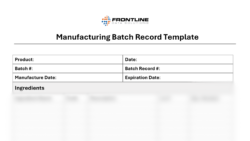
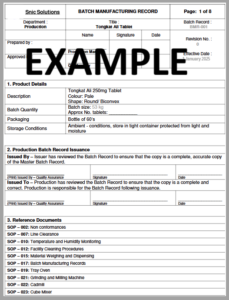
This initial section sets the stage by clearly identifying the product being manufactured. It typically includes the product name, unique product code, specific batch or lot number, and the current version of the master formula. Detailing the exact formulation, including ingredient percentages and mixing instructions, ensures that every batch adheres to the approved recipe. It also often includes details on the intended yield and target specifications for the finished product.
Raw Material Tracking
Traceability begins with the ingredients. This critical component of the food manufacturing batch record template meticulously records every raw material used in the batch. Information typically includes the ingredient name, supplier, lot number or batch code from the supplier, quantity weighed and added, date of addition, and the initials of the operator performing the task. Verification steps, such as checking expiry dates and ensuring materials are from approved suppliers, are also documented here.
Process Steps and Parameters
This is the heart of the batch record, outlining the precise sequence of manufacturing steps. Each step is detailed with specific instructions, including critical process parameters like temperatures, mixing times, pressure levels, and pH values. Operators record actual measurements against specified targets, noting any deviations and the actions taken. This section also documents any critical control points (CCPs) and their monitoring activities, ensuring food safety hazards are controlled.
Equipment Used and Calibration Records
For each processing step, the specific equipment used must be identified, often by an equipment ID number. This helps in tracking equipment performance and maintenance. Importantly, this section often requires verification that the equipment has been cleaned and sanitized prior to use, and that any measuring instruments (like thermometers or scales) were within their calibration dates or checked prior to operation.
In-Process Quality Checks
Quality is not just a final check; it’s built into every stage. The batch record details all in-process quality control measurements performed throughout production. This might include sensory evaluations (taste, smell, appearance), physical tests (viscosity, texture), chemical analyses (pH, moisture content), or microbiological sampling. These checks confirm that the product is meeting quality standards as it progresses through the manufacturing line.
Packaging and Labeling Verification
The final stages involve packaging and labeling. This section documents checks to ensure the correct packaging materials are used, labels are accurate and securely applied, and specific information like best-before dates, lot numbers, and allergen statements are correctly printed. Verification that the product is packaged according to specifications and that quantities match expectations is also recorded here.
Final Product Release
Once production is complete and all quality checks are satisfied, the batch record culminates in the final product release section. This includes a confirmation of the total yield, a final quality assurance review, and the signature of the authorized personnel approving the batch for release. This approval signifies that the product meets all specifications and is safe and compliant for distribution.
The Benefits of a Standardized Batch Record System
Adopting a standardized food manufacturing batch record template is a strategic move that significantly enhances a company’s overall operational framework. It moves beyond mere compliance, embedding a culture of precision and accountability throughout the production process. This standardization ensures that every employee understands expectations and contributes to a consistent output, regardless of who is working on a particular batch.
A robust, well-maintained batch record system is a cornerstone of regulatory compliance and audit readiness. When auditors or inspectors request production documentation, a clear, complete, and consistent set of batch records demonstrates adherence to Good Manufacturing Practices (GMPs), Hazard Analysis and Critical Control Points (HACCP) plans, and other relevant food safety regulations. This streamlined access to information can significantly reduce audit times and minimize potential findings.
The advantages of implementing such a system are far-reaching and impact multiple facets of the business:
* Improved traceability from raw material to finished product
* Enhanced quality control and reduced product variability
* Streamlined audits and faster responses to regulatory inquiries
* Significant reduction in human errors during production
* Consistent product quality across all batches
* Valuable training aid for new and existing employees
* Data-driven insights for process optimization and continuous improvement
Beyond compliance, a standardized batch record system acts as an invaluable operational asset. It provides the data necessary for root cause analysis when issues arise, allowing manufacturers to quickly identify and address problems rather than just treating symptoms. This continuous feedback loop fosters an environment of learning and improvement, driving efficiency gains and ensuring that best practices are consistently applied.
Implementing a well-designed batch record system is not just about meeting regulatory demands; it’s about safeguarding your brand, ensuring consumer safety, and optimizing your production processes for long-term success. The insights gained from meticulously maintained records are invaluable for everything from process improvement to new product development. Investing time in perfecting your food manufacturing batch record template is an investment in the future resilience and reputation of your business. This foundational tool ensures that every product leaving your facility meets the highest standards of quality and safety, batch after batch.