In countless industries, from bustling restaurant kitchens to advanced pharmaceutical labs, precise temperature control isn’t just a good practice; it’s absolutely critical. Ensuring that your thermometers provide accurate readings is paramount for product quality, safety, and regulatory compliance. This is where a robust thermometer calibration record template becomes an invaluable asset, transforming a necessary chore into a systematic and auditable process.

Think about it: what good is a thermometer if you can’t trust its reading? Calibration is the process of comparing a thermometer’s readings against a known standard to identify and correct any inaccuracies. But merely calibrating isn’t enough; the real power lies in documenting that process. These records provide a historical trail, proving due diligence and offering critical insights into the performance and longevity of your equipment.
Without proper documentation, you’re essentially flying blind. Audits become stressful, compliance a guessing game, and the risk of costly errors or product recalls significantly increases. A well-designed template streamlines this entire process, making it easy to record essential information consistently and accurately, ensuring you’re always prepared and operating at the highest standards.
Why Accurate Temperature Measurement is Non-Negotiable and How Records Help
Accurate temperature measurement is a cornerstone of quality control and safety across a vast array of sectors. In the food industry, it prevents foodborne illnesses by ensuring proper cooking, chilling, and storage temperatures. Pharmaceutical companies rely on precise readings to maintain the integrity of sensitive medications and vaccines. Healthcare facilities depend on accurate thermometers for patient care and equipment sterilization. Any deviation can lead to serious consequences, from product spoilage and financial losses to public health risks and severe regulatory penalties.
The consequences of inaccurate readings are far-reaching. Imagine a batch of temperature-sensitive ingredients spoiling because a thermometer was off by a few degrees, or a vaccine losing its efficacy due to improper storage temperature. These scenarios are not just hypothetical; they are real risks that businesses face daily. Regulatory bodies like the FDA, USDA, and various international standards organizations demand meticulous record-keeping to demonstrate that proper controls are in place and consistently maintained.
This is where calibration steps in. Calibration is the act of checking and adjusting a thermometer to ensure its readings are as close as possible to the true temperature. It’s a preventative measure designed to maintain the integrity and reliability of your measuring devices over time. Regular calibration schedules, based on usage, manufacturer recommendations, or regulatory requirements, are essential for operational excellence.
However, merely performing calibration isn’t sufficient on its own. The true value and legal defensibility come from thorough documentation. Without a clear record, there’s no proof that calibration ever occurred, no way to track device performance, and no method to identify trends or potential issues with a particular thermometer. This is why a standardized approach to record-keeping is not just helpful, but absolutely vital.
A well-implemented thermometer calibration record template serves as the backbone of this documentation process. It ensures that every critical piece of information is captured consistently, regardless of who performs the calibration or when it takes place. This standardization removes ambiguity and provides a clear, concise historical account of each device’s accuracy over its lifespan.
Such a template empowers organizations to demonstrate compliance during audits, troubleshoot equipment issues more effectively, and even predict when a thermometer might need replacement or more frequent calibration. It transforms what could be a fragmented and unreliable process into a robust, transparent, and trustworthy system for managing your critical temperature monitoring equipment.
Understanding Calibration Basics
Calibration typically involves comparing the thermometer’s reading against a known reference standard at one or more specific temperatures, often using ice baths (0°C) and boiling water (100°C) as readily available, stable references. Any observed difference is the error, which may then be corrected, or simply noted and applied as an offset to future readings. The frequency of calibration depends on the thermometer’s critical application, its usage, and any industry-specific mandates.
The Power of Documentation
Documentation provides a verifiable audit trail, crucial for demonstrating due diligence and adherence to quality standards. It allows you to track the performance of individual thermometers over time, identify devices that frequently drift out of calibration, and justify decisions regarding equipment replacement or repair. This systematic approach is invaluable for maintaining operational integrity and building trust in your products or services.
Key Elements of an Effective Calibration Record Template
An effective thermometer calibration record template isn’t just a blank sheet of paper; it’s a carefully designed document that captures all the essential information needed for compliance, quality assurance, and historical tracking. The clearer and more comprehensive your template, the easier it will be to maintain accurate records and retrieve specific data when needed. It should be intuitive for the technician completing it and informative for anyone reviewing it, from auditors to quality control managers.
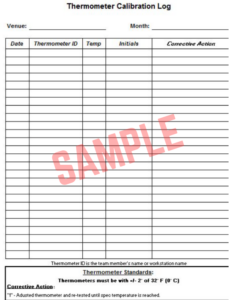
A robust template should include fields that uniquely identify the thermometer, detail the calibration event, and record the results thoroughly. This includes specifics about the device itself, such as its unique ID, manufacturer, and model number, ensuring there’s no confusion about which instrument was calibrated. Crucially, it must also document the ‘when’ and ‘how’ of the calibration process, including the date, the method used, and the reference standards employed, along with their own calibration status.
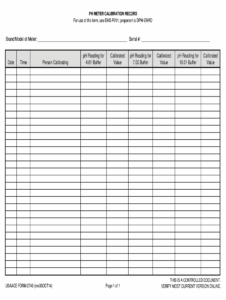
Beyond the basic identification, the template must meticulously record the actual calibration data – the ‘before’ and ‘after’ readings, the observed error, and any adjustments made. This allows for a clear comparison and verification of accuracy. An effective thermometer calibration record template also leaves room for additional notes or comments, which can be invaluable for capturing unusual observations or specific actions taken during the calibration process. Without these detailed records, demonstrating compliance during an audit or understanding a device’s long-term performance becomes a significant challenge.
- Device Identification:
- Thermometer Unique ID Number
- Manufacturer and Model
- Serial Number
- Location of Use
- Calibration Details:
- Date of Calibration
- Next Due Date
- Calibration Technician’s Name and Signature
- Reference Standard Used (with its ID and calibration status)
- Calibration Method Employed
- Calibration Results:
- As Found Readings (before adjustment)
- Reference Temperature Points
- Acceptance Criteria/Tolerance Limits
- As Left Readings (after adjustment, if applicable)
- Observed Error/Deviation
- Pass/Fail Status
- Additional Information:
- Any Adjustments Made
- Corrective Actions Taken (if failed)
- Environmental Conditions during Calibration (e.g., ambient temperature)
- Notes/Comments
Implementing a standardized thermometer calibration record template simplifies the calibration process and elevates the reliability of your temperature monitoring systems. It moves you from reactive problem-solving to proactive quality assurance, fostering an environment of trust and precision in all your operations. By consistently using such a template, you build a comprehensive history that supports your quality claims and safeguards your business against the risks associated with inaccurate temperature measurements.
Embracing a systematic approach to thermometer calibration and documentation is a fundamental step towards operational excellence and unwavering compliance. It not only protects your products and processes but also demonstrates a robust commitment to quality and safety that resonates with regulators, customers, and stakeholders alike. Start enhancing your record-keeping today to ensure your temperatures are always just right.