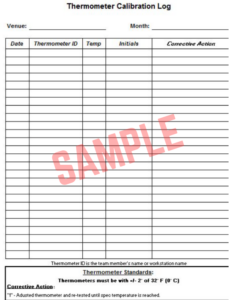
Ensuring the accuracy of your pH measurements is absolutely critical in countless industries, from food and beverage to environmental monitoring and pharmaceuticals. Without precise readings, your processes could go awry, leading to product inconsistencies, compliance issues, or even safety hazards. That’s precisely why a well-designed ph meter calibration record template isn’t just a good idea; it’s an indispensable tool for maintaining data integrity and operational excellence. It provides a clear, traceable history of your instrument’s performance, giving you confidence in every number you record.
Think of pH meter calibration as the regular health check-up for your vital analytical equipment. Just like any precision instrument, pH meters can drift over time due to electrode aging, temperature fluctuations, or changes in storage conditions. Regular calibration, using certified buffer solutions, brings your meter back into line, ensuring its readings accurately reflect the true acidity or alkalinity of your samples.
But calibration alone isn’t enough. The real power comes from documenting the process meticulously. A robust record not only proves that calibration was performed but also details how it was done, by whom, and with what results. This documentation becomes your shield during audits, your guide for troubleshooting, and your foundation for continuous quality improvement.
Why Keeping Meticulous pH Meter Calibration Records is Essential
The importance of maintaining detailed calibration records for your pH meters truly cannot be overstated. In many regulated industries, such as pharmaceuticals, biotechnology, and certain food processing sectors, maintaining these records isn’t just best practice; it’s a mandatory requirement. Regulatory bodies often demand a clear audit trail for all analytical equipment, and a complete calibration history is a cornerstone of that compliance.
Beyond regulatory demands, accurate records provide an invaluable internal benefit: ensuring the reliability and consistency of your data. If your pH meter drifts out of calibration and you don’t have a system to track its performance, you might unknowingly be making decisions based on faulty data. This could lead to wasted materials, failed batches, or incorrect environmental readings, all of which can have significant financial and reputational consequences.
Furthermore, a comprehensive calibration log can be a powerful diagnostic tool. By reviewing past records, you can identify trends in your meter’s performance. Perhaps a particular electrode consistently shows greater drift, indicating it needs more frequent replacement, or a specific meter requires calibration more often than others. These insights allow you to proactively address potential issues before they impact your work.
Consider the scenario of an unexpected deviation in a product batch. One of the first things investigators will check is the calibration status of the equipment used. If you can immediately present clear, up-to-date calibration records, you can either rule out the pH meter as a culprit or quickly identify it as a potential source of error, streamlining your investigation and preventing future occurrences.
From a quality assurance perspective, these records are fundamental. They demonstrate due diligence and a commitment to quality control, reassuring both internal stakeholders and external clients or partners that your results are trustworthy. They are the tangible evidence that your operational procedures are being followed and that your measurements are sound.
Ultimately, detailed calibration records serve as a historical footprint of your instrument’s life. They tell a story of its performance, its maintenance, and its adherence to standards. This narrative is crucial for everything from routine maintenance scheduling to making informed decisions about equipment replacement or upgrade, ensuring long-term operational efficiency and data integrity.
Understanding the Key Elements of a Calibration Record
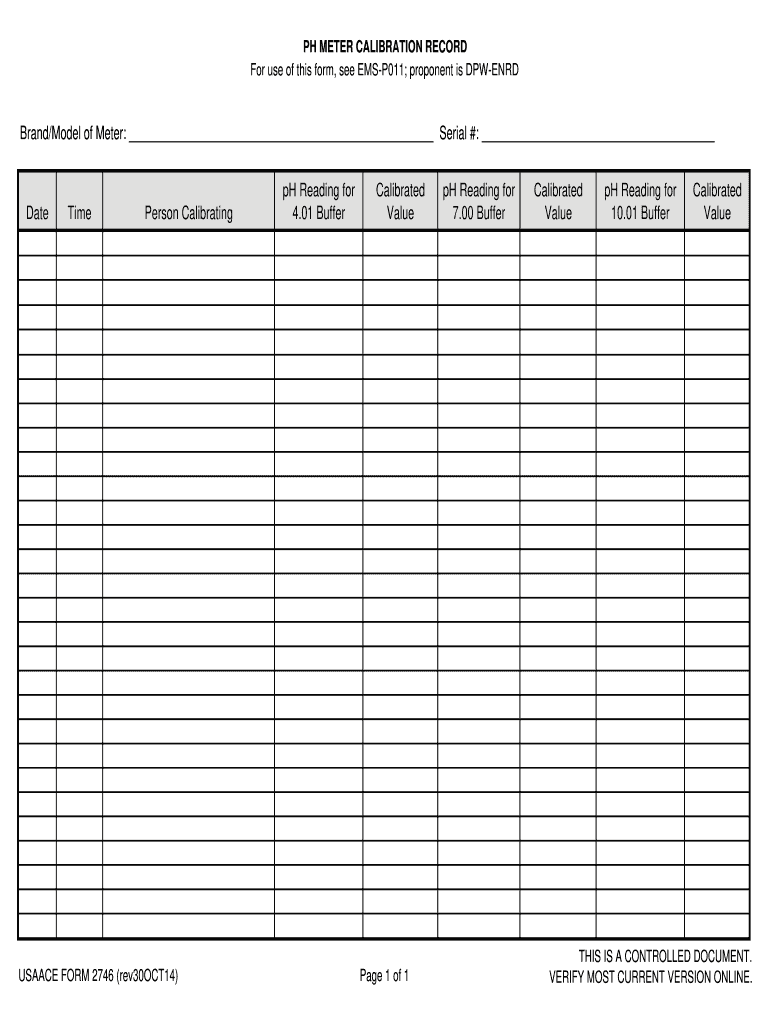
A good calibration record should contain enough detail to allow someone else to understand exactly what was done, when it was done, and by whom. It should typically include the date and time of calibration, the identity of the technician performing the calibration, and the specific pH meter and electrode serial numbers used. This traceability is paramount for accountability and troubleshooting.
Crucially, the record needs to list the buffer solutions used for calibration, including their pH values, lot numbers, and expiration dates. This ensures that the standards themselves are traceable and valid. The initial readings obtained from these buffers before adjustment, as well as the final readings after successful calibration, should also be noted. This provides an important “before and after” snapshot.
Other vital information includes the acceptance criteria or tolerance range for the calibration (e.g., +/- 0.02 pH units), whether the calibration passed or failed, and any corrective actions taken if it failed. Finally, the date for the next scheduled calibration is a good addition, serving as a reminder for future maintenance.
Crafting Your Own Effective pH Meter Calibration Record Template
Developing or customizing your own ph meter calibration record template doesn’t have to be a daunting task. The key is to create a document that is comprehensive enough to capture all necessary details, yet straightforward and intuitive for your team to use consistently. Whether you opt for a digital spreadsheet or a physical logbook, the goal is to standardize the process and eliminate ambiguity.
A well-designed template streamlines the calibration procedure, ensuring no critical information is overlooked. It acts as a checklist, guiding the technician through the required data points, which significantly reduces the potential for human error and improves the overall efficiency of your quality control efforts. Furthermore, a consistent format makes it much easier to review records, identify trends, and prepare for audits.
When you’re putting together your template, think about the specific needs of your operation. What details are absolutely essential for your compliance and quality control? Here’s a comprehensive list of elements you should consider including:
- Date and Time of Calibration
- Name or ID of Technician Performing Calibration
- pH Meter ID and Serial Number
- Electrode ID and Serial Number (if separate)
- Temperature of Buffer Solutions during Calibration
- Buffer Solutions Used (pH values, Lot Numbers, Expiration Dates)
- “As Found” Readings for each Buffer (before adjustment)
- “As Left” Readings for each Buffer (after adjustment)
- Calibration Slope and Offset (if your meter provides this data)
- Acceptance Criteria or Tolerance Range for Calibration
- Pass/Fail Status of Calibration
- Details of any Corrective Actions Taken (e.g., electrode cleaning, replacement)
- Date for Next Scheduled Calibration
- Signature or Electronic Stamp of Technician
- Reviewer Signature (if applicable for quality control)
- General Comments or Observations
By including these key fields, your template will serve as a robust framework for documenting every pH meter calibration. It ensures that your records are not only compliant but also genuinely useful for maintaining the highest standards of accuracy in your laboratory or facility.
Implementing a standardized template for your pH meter calibrations will undoubtedly elevate the reliability of your measurements and streamline your quality assurance processes. It transforms what could be an intermittent, ad-hoc task into a systematic, accountable procedure. This consistency is invaluable, providing a clear historical account that protects your data integrity and supports informed decision-making.
By dedicating effort to creating and consistently utilizing a thorough record-keeping system, you’re not just performing a chore; you’re investing in the long-term accuracy and credibility of your work. It’s a proactive step that pays dividends in terms of compliance, operational efficiency, and ultimately, the trustworthiness of your results.