In today’s interconnected digital landscape, the phrase “data breach” is enough to send shivers down any organization’s spine. Protecting sensitive information isn’t just a good idea; it’s an absolute necessity for maintaining trust, compliance, and operational continuity. Businesses, regardless of size or industry, are constantly targeted by an evolving array of cyber threats, from sophisticated ransomware attacks to subtle phishing scams designed to steal credentials. Without a clear understanding of your vulnerabilities and the risks they pose, you’re essentially navigating a minefield blindfolded.
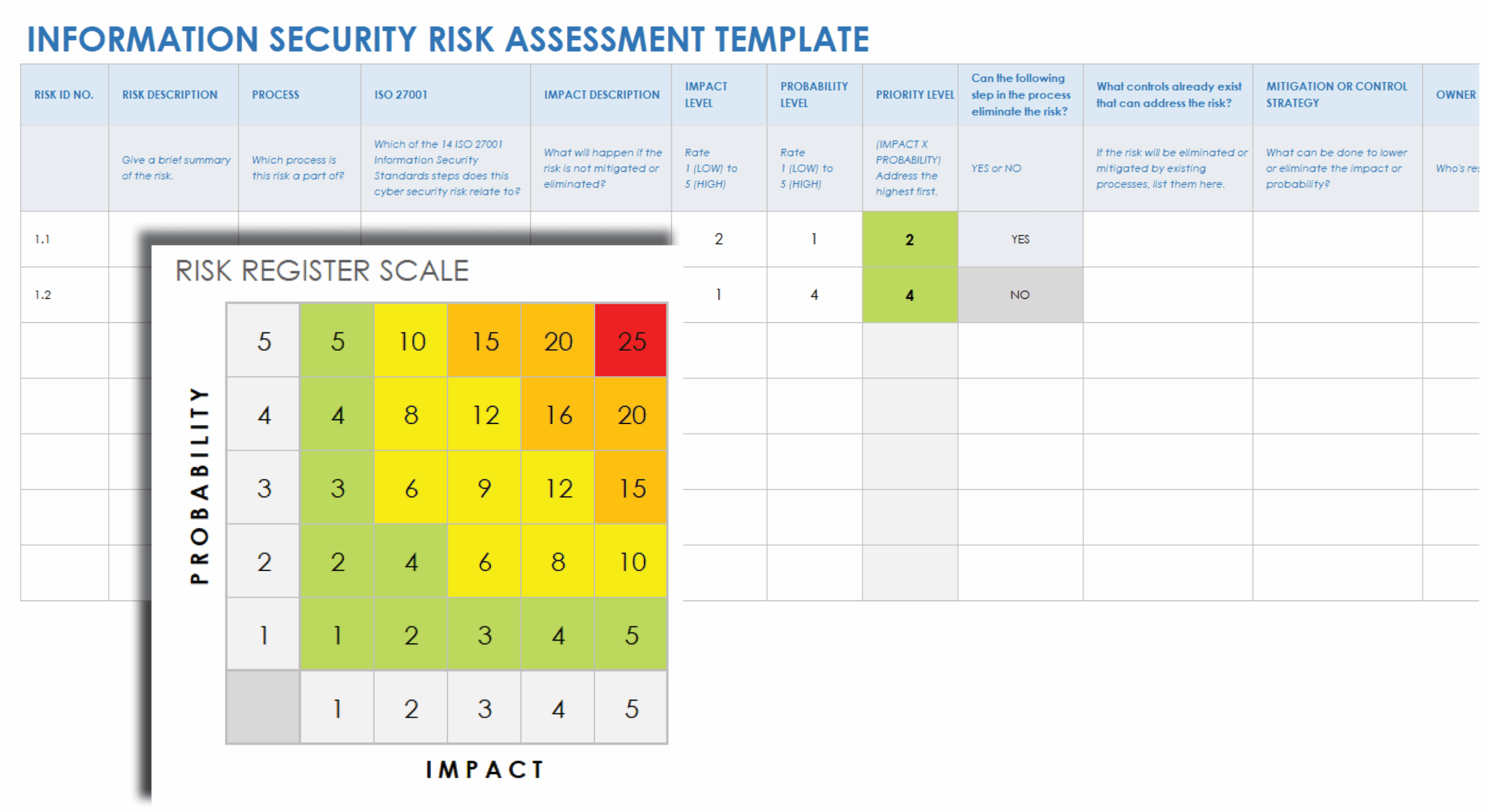
This is precisely why proactive risk management is paramount. You need a structured way to identify potential weaknesses, evaluate the likelihood and impact of various threats, and then formulate effective strategies to mitigate them. Trying to do this from scratch, perhaps with scattered notes or an informal chat, can often lead to oversights and inconsistencies. That’s where a well-designed data security risk assessment template becomes an invaluable tool, providing a systematic framework to guide your efforts and ensure nothing important falls through the cracks.
Why a Data Security Risk Assessment Template is Your Best Ally
Embarking on a data security risk assessment without a predefined structure can feel like trying to assemble complex furniture without instructions. You might eventually get there, but it will take longer, likely involve backtracking, and there’s a good chance you’ll miss a crucial screw or two. The digital assets your organization holds, from customer databases to intellectual property, are too valuable to leave their security to chance or a haphazard approach. A template brings order to this inherently complex process.
Think of a robust data security risk assessment template as your roadmap. It ensures a consistent approach across different departments or even over various assessment periods, making it easier to track progress and identify trends. This consistency is vital for compliance with regulations like GDPR, HIPAA, or CCPA, which often require demonstrable evidence of ongoing risk management. Beyond compliance, a standardized approach fosters a culture of security awareness, as everyone involved understands their role and the specific information needed.
Furthermore, a template helps you avoid common pitfalls, such as focusing too much on technical vulnerabilities while overlooking human factors or process weaknesses. It prompts you to consider all facets of your data ecosystem. By breaking down the assessment into manageable, guided steps, it demystifies what can otherwise seem like an overwhelming task, empowering teams to conduct thorough reviews even if they aren’t cybersecurity experts themselves. It transforms a daunting project into a series of achievable milestones, ultimately leading to a more secure environment.
Ultimately, using a comprehensive data security risk assessment template ensures that you are not just reacting to incidents but proactively identifying and addressing potential issues before they escalate. It’s about moving from a reactive stance to a preventative one, saving your organization significant time, money, and reputational damage in the long run.
Key Components of an Effective Template
An ideal template isn’t just a blank sheet; it’s populated with essential categories and prompts designed to guide a thorough review. Here are some fundamental sections you should expect to see:
- Asset Identification: A detailed inventory of all data assets, including their location, sensitivity, and ownership.
- Threat Identification: Listing potential threats such as malware, insider threats, natural disasters, or system failures.
- Vulnerability Assessment: Identifying weaknesses in systems, processes, or human behavior that threats could exploit.
- Risk Analysis: Evaluating the likelihood of a threat exploiting a vulnerability and the potential impact if it occurs, often using a qualitative or quantitative scale.
- Mitigation Strategies: Proposing specific controls, policies, or technical solutions to reduce identified risks.
- Action Plan and Responsibilities: Assigning tasks, setting deadlines, and designating individuals or teams responsible for implementing mitigation measures.
- Review and Approval: A section for management sign-off and a plan for periodic re-assessment.
Navigating the Steps of a Data Security Risk Assessment
Even with the perfect data security risk assessment template in hand, understanding the underlying process is crucial. The template acts as a guide, but your team still needs to actively engage in each stage to extract meaningful insights and create actionable plans. It’s not a one-and-done activity but rather a continuous cycle that adapts to your evolving technological landscape and the ever-changing threat environment.
The first step involves clearly defining the scope of your assessment. Are you evaluating your entire organizational infrastructure, a specific department, a new application, or a particular regulatory compliance area? Pinpointing the boundaries ensures that your efforts are focused and manageable. Following this, you’ll need to identify and classify all relevant information assets within that scope. This means understanding what data you hold, where it resides, who accesses it, and its criticality to your business operations.
Once your assets are understood, the core of the assessment begins: identifying potential threats and vulnerabilities. This phase involves a combination of brainstorming, reviewing historical incidents, consulting industry threat intelligence, and conducting technical scans or audits. You’re essentially asking: “What could go wrong, and how could it happen?” For instance, a threat might be a disgruntled employee, and a vulnerability could be weak access controls to a sensitive database.
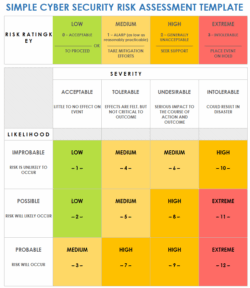
After identifying threats and vulnerabilities, the next critical step is to analyze the risks. This involves assessing the likelihood of each threat exploiting a vulnerability and the potential business impact if it does. This analysis often results in a risk rating, helping you prioritize which risks need immediate attention. High-impact, high-likelihood risks naturally demand the most urgent response, while low-impact, low-likelihood risks might be accepted or monitored. Finally, you’ll develop and implement mitigation strategies for the unacceptable risks, and continuously monitor and review your security posture to ensure the controls remain effective.
- Define Scope and Objectives: Clearly outline what will be assessed and why.
- Identify Information Assets: Catalog all data, systems, and applications, classifying them by sensitivity and importance.
- Identify Threats and Vulnerabilities: List all potential dangers and weaknesses.
- Analyze Risks: Determine the likelihood and impact of each identified risk.
- Determine Risk Treatment Options: Decide whether to mitigate, transfer, accept, or avoid each risk.
- Implement Controls: Put the chosen mitigation strategies into action.
- Monitor and Review: Regularly check the effectiveness of controls and update the assessment as needed.
Taking a proactive stance on data security is no longer optional; it’s a fundamental aspect of responsible business operations. By systematically identifying, assessing, and mitigating potential risks, you not only protect valuable information but also build resilience and trust among your customers and stakeholders. The effort invested today in understanding your vulnerabilities and strengthening your defenses will pay dividends in safeguarding your organization’s future against an unpredictable digital landscape.
Embracing a structured approach to risk management empowers your team to make informed decisions, allocate resources effectively, and continuously improve your security posture. This ongoing commitment to robust data protection ensures that your organization remains secure, compliant, and ready to face the evolving challenges of the digital age with confidence and preparedness.