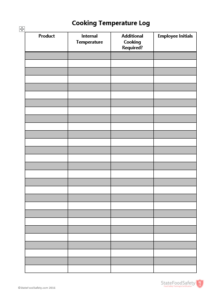
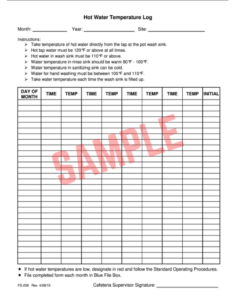
Keeping your food safe and fresh is a top priority, whether you’re running a bustling kitchen or simply managing your family’s groceries at home. One of the most effective ways to ensure food safety and prevent spoilage is by regularly monitoring and recording the temperatures of your fridge and freezer. This is where a reliable fridge freezer temperature record template comes in incredibly handy, providing a structured way to keep track of vital information that can protect your health and your wallet.
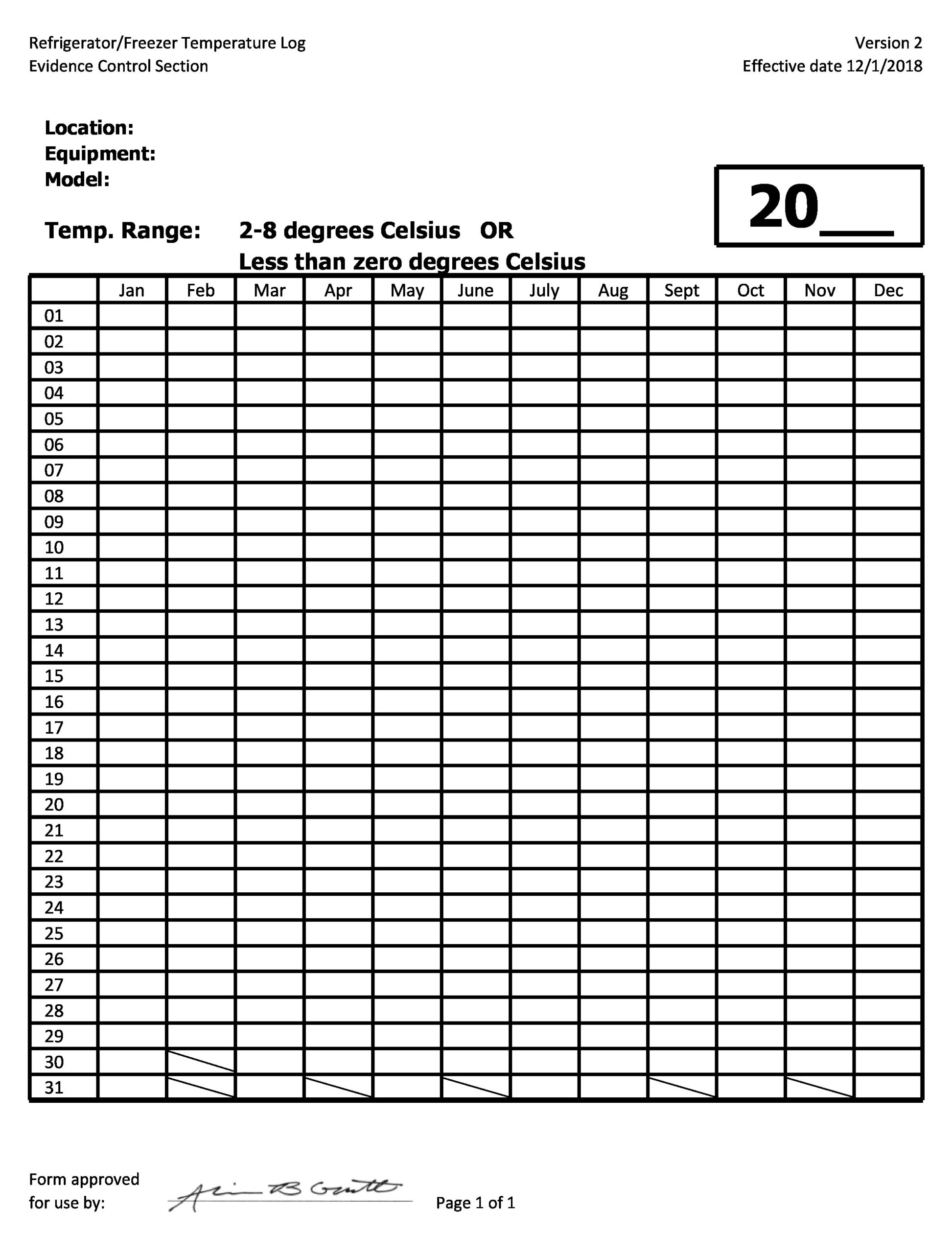
Imagine the peace of mind knowing that your stored ingredients are consistently kept at their optimal conditions. A simple, easy-to-use template makes this process straightforward, turning what could be a tedious chore into a quick, routine check. It’s not just about compliance for businesses; it’s about having confidence in the food you prepare and consume every single day.
This practice helps you quickly identify any issues with your appliances, such as a failing compressor or a door seal that isn’t quite doing its job. Early detection means you can address problems before a large batch of food goes bad, saving you money and preventing potential health risks from improperly stored items.
The Indispensable Role of Temperature Tracking in Food Safety
Understanding why consistent temperature tracking is so vital really boils down to the science of food preservation. Bacteria that cause foodborne illnesses thrive in what’s known as the “danger zone,” which is typically between 40 degrees Fahrenheit and 140 degrees Fahrenheit (5 degrees Celsius and 60 degrees Celsius). A properly functioning fridge keeps food below this zone, slowing bacterial growth significantly, while a freezer halts it almost entirely. Without regular checks, you might unknowingly be exposing your food to conditions that accelerate spoilage and increase health risks.
Beyond just preventing harmful bacteria, maintaining consistent temperatures also plays a huge role in the quality and longevity of your food. Fluctuations in temperature can lead to freezer burn, altered textures, and diminished flavors in refrigerated items. By meticulously tracking these temperatures, you are essentially creating a safeguard that preserves the integrity and taste of your ingredients, ensuring they stay delicious and safe for longer.
For businesses, especially those in the food service industry, a comprehensive record of fridge and freezer temperatures isn’t just a good practice; it’s often a legal requirement. Health and safety regulations, such as HACCP principles, mandate rigorous temperature monitoring to demonstrate due diligence and prevent foodborne outbreaks. A well-maintained temperature log serves as crucial evidence during inspections, showcasing your commitment to public health and safety.
A good fridge freezer temperature record template should include several key pieces of information to be truly effective. At a minimum, it needs spaces for the date and time of the reading, the temperature itself for both the fridge and freezer compartments, and the initials of the person who took the reading. This accountability ensures that the task is performed diligently and consistently.
It’s also highly beneficial to include a column for “action taken” or “comments.” This is where you note down anything unusual, such as a temperature reading that’s out of range, and what steps you took to rectify it. Did you adjust the thermostat? Did you check the door seal? Did you discard spoiled food? Documenting these actions is crucial for troubleshooting and proving compliance.
Regularity is key to the success of any temperature tracking system. Depending on your specific needs and regulatory requirements, readings might be taken once or twice a day. The consistency of these checks helps you establish a pattern, making it easier to spot deviations quickly rather than discovering a problem days later when it might be too late to salvage your food.
Optimizing Your Temperature Tracking Practices
Making your fridge freezer temperature record template an integral part of your daily routine doesn’t have to be complicated. Start by choosing the right thermometer. Digital thermometers that provide quick, accurate readings are often preferred, and some even come with alarms for out-of-range temperatures. Place your chosen thermometer in the warmest part of your fridge and freezer to get the most critical reading, typically near the door.
Once you have your template, consider where you’ll keep it. For convenience, it’s often best to keep a physical copy attached to the fridge or freezer itself, along with a pen. This makes it impossible to forget and encourages immediate recording. For those who prefer digital solutions, there are apps and spreadsheet templates available that can automate some of the tracking and even send alerts. The most important thing is that the system you choose is one you can stick with consistently.
Regularly reviewing your temperature logs is just as important as taking the readings. Don’t just file them away; take a moment to look for trends. Are your temperatures consistently on the higher side during certain times of the day? Do you notice a gradual increase over time that might indicate your appliance is working harder than it should? Identifying these patterns early can help you schedule maintenance before a major breakdown occurs, extending the life of your appliances and protecting your food supply.
A robust temperature record system offers numerous advantages:
Embracing the habit of diligently using a temperature record template brings a layer of assurance to your food storage. It’s a proactive step that safeguards against potential hazards and protects your investment in quality ingredients.
By consistently monitoring and documenting the temperatures of your refrigeration units, you’re not just filling out a form; you’re actively participating in a crucial food safety protocol. This simple yet powerful practice empowers you to maintain optimal conditions for your perishable items, giving you absolute confidence in the freshness and safety of your food, whether for your family or your customers.