Ever felt like you’re constantly reinventing the wheel when it comes to showcasing your past successes? Imagine a world where all your triumphant projects are meticulously documented, easily accessible, and ready to impress at a moment’s notice. That’s the power of a well-designed project track record template. It’s not just a document; it’s a strategic asset that transforms how you present your capabilities, ensuring every past win works hard for your future endeavors.
In today’s competitive landscape, demonstrating proven results is paramount. Whether you’re an independent consultant vying for a new client, a company bidding on a large contract, or even an internal team seeking approval for a new initiative, your ability to quickly and compellingly present what you’ve achieved is critical. It builds trust, establishes credibility, and provides tangible evidence that you can deliver.
This article will guide you through understanding why a structured approach to documenting your projects is indispensable and what key elements make a truly effective template. We’ll explore how standardizing your project documentation can not only save you time but also significantly amplify your chances of securing new opportunities and fostering continuous improvement within your organization.
Why Your Business Needs a Robust Project Track Record
Think of your project track record as your business’s resume, but for completed work. It’s the definitive collection of your accomplishments, challenges overcome, and solutions delivered, all meticulously laid out. This isn’t just about vanity; it’s about strategic positioning and operational excellence. Having a robust track record serves multiple crucial functions that directly impact your bottom line and long-term success.
Firstly, a well-maintained track record is an unparalleled tool for winning new business. Prospective clients don’t just want to hear what you *can* do; they want to see what you *have* done. Tangible examples, detailed outcomes, and quantifiable results from past projects provide irrefutable evidence of your capabilities. It moves conversations from hypothetical possibilities to concrete proof, making your proposals far more compelling and persuasive.
Beyond external sales, a comprehensive track record fosters invaluable internal learning and development. By systematically documenting each project, including its objectives, methodologies, successes, and even failures, teams can identify patterns. What worked well? What didn’t? This institutional knowledge becomes a powerful resource for future planning, allowing you to refine processes, improve efficiency, and avoid repeating past mistakes, ultimately leading to better project outcomes.
Furthermore, a clear project history aids significantly in resource allocation and strategic planning. When you understand the typical scope, challenges, and resource requirements of similar past projects, you can make more accurate estimates for future endeavors. This means better budgeting, more realistic timelines, and more effective deployment of your team, reducing surprises and increasing the likelihood of on-time, on-budget delivery.
Your track record also plays a vital role in team morale and recognition. When successful projects are properly documented and celebrated, it provides a tangible sense of accomplishment for everyone involved. It highlights individual and collective contributions, reinforcing a culture of appreciation and motivating teams to strive for excellence in future projects, knowing their hard work will be acknowledged and remembered.
Finally, having a detailed track record strengthens your organization’s overall risk management strategy. By analyzing the outcomes and challenges of previous projects, you can anticipate potential roadblocks in new ones. This foresight allows you to implement preventative measures, develop contingency plans, and mitigate risks more effectively, safeguarding both your reputation and your financial investments in upcoming ventures.
Key Components of an Effective Project Track Record Template
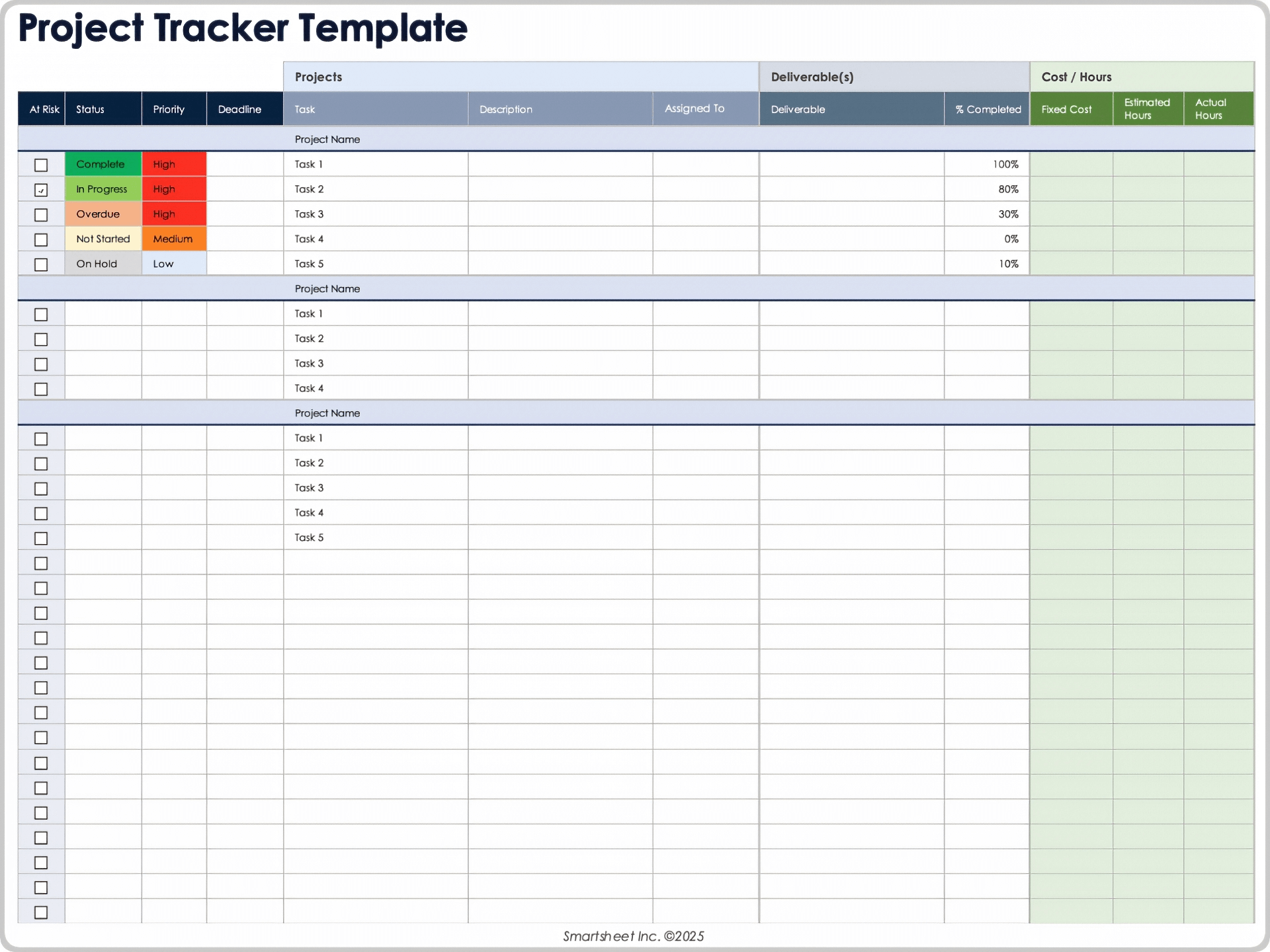
An effective project track record template isn’t just a simple list; it’s a structured narrative that tells the complete story of each project, from inception to successful completion. It should be designed to capture the most critical information concisely yet comprehensively, allowing anyone reviewing it to quickly grasp the project’s essence and impact. The goal is to provide a clear, compelling snapshot that highlights value and expertise.
When you sit down to develop or refine your project track record template, consider what essential pieces of information are universally relevant and impressive to an external observer or valuable for internal review. The best templates balance detail with brevity, ensuring they are both informative and easy to digest. A strong template should guide you to fill in the blanks with impactful data, making it a powerful tool for communication.
Here are some key components that every robust project track record template should include to ensure you’re capturing all the necessary insights and presenting your work in the best possible light:
* Project Title and Dates (Start and End)
* Client or Stakeholder (Who was it for?)
* Project Goal or Objective (What problem were you solving or what outcome were you aiming for?)
* Key Challenges Faced (What obstacles did you encounter?)
* Solutions Implemented (How did you overcome those challenges?)
* Results and Achievements (Quantifiable impact – e.g., “Increased sales by 20%”, “Reduced costs by $50,000”, “Improved efficiency by 15%”)
* Team Members Involved and Their Roles (Giving credit and context)
* Lessons Learned (What insights did you gain for future projects?)
* Optional: Testimonials or Client Quotes (Powerful social proof)
Adopting a consistent framework for documenting your project successes is an investment that pays dividends over time. It transforms a collection of individual accomplishments into a cohesive, persuasive story of capability and reliability. By standardizing how you present your past work, you empower your team, impress potential clients, and build a stronger, more resilient business ready for future opportunities.
Embracing a systematic approach to archiving your project successes allows you to proactively build a compelling portfolio that speaks volumes about your expertise. It moves you from reactively scrambling for information to confidently presenting a well-organized history of achievements, making every pitch stronger and every internal review more insightful. The effort you put into structuring this information now will significantly streamline your future endeavors and enhance your professional standing.