The world of banking and finance has seen incredible transformations, with remote deposit capture RDC standing out as a prime example of innovation designed for convenience. It allows businesses and individuals to deposit checks using a smartphone or desktop scanner, bypassing the traditional trip to a physical bank branch. This technology brings undeniable benefits like increased efficiency, reduced operational costs, and improved cash flow management for users across various sectors.

However, like any powerful technological tool, RDC also introduces a unique set of potential vulnerabilities. To fully leverage its advantages while safeguarding against potential pitfalls, a systematic and thorough approach to risk management is not just recommended, it is absolutely essential. This proactive stance ensures the integrity of financial transactions and the security of sensitive data, setting the stage for confidence in your RDC operations.
Understanding the Landscape of RDC Risks
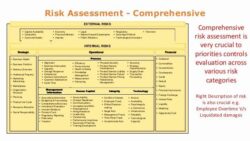
When you embrace remote deposit capture, you are essentially extending a part of the bank’s processing capabilities into an environment that the bank does not directly control. This decentralization inherently creates new exposure points that need careful consideration. Risks associated with RDC can broadly be categorized into fraud risks, operational risks, and compliance risks, each demanding a detailed understanding and a structured mitigation strategy. Simply put, without a proper framework, you could be opening yourself up to unnecessary trouble.
Fraud is often at the forefront of concerns with RDC. This can manifest in several ways, from check kiting where funds are drawn from one account before the deposit to cover them has cleared in another, to duplicate deposits where the same check is deposited multiple times through different channels. There is also the risk of check alteration, where the payee or amount is tampered with, or even synthetic identity fraud, where a fabricated identity is used to open accounts and perpetrate fraudulent deposits. These sophisticated schemes require equally sophisticated detection and prevention mechanisms.
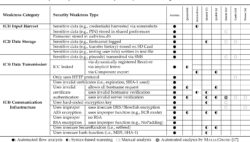
Beyond fraudulent activities, operational risks play a significant role. These include potential technical failures of scanning equipment or software, which can lead to processing errors or data loss. Human error is another considerable factor; mistakes made by employees or users during the capture process, such as incorrect data entry or failure to properly endorse checks, can result in financial discrepancies or compliance issues. Furthermore, ensuring the security of the data transmitted during the RDC process, protecting it from interception or unauthorized access, is paramount.
Lastly, compliance risks are ever-present. Financial institutions and their clients must adhere to a complex web of regulations, including those from the Federal Reserve, the Bank Secrecy Act BSA, and various state laws. Non-compliance can lead to hefty fines, reputational damage, and even legal action. A robust remote deposit capture risk assessment template helps ensure that all regulatory obligations are met and that internal policies are aligned with industry best practices, making sure you stay on the right side of the law and good governance.
Key Risk Areas to Consider
- Fraudulent check submissions and duplicate deposits
- Operational errors and technical system failures
- Data privacy and security breaches
- Non-compliance with regulatory requirements
- Vendor management for third-party RDC providers
- User training and awareness deficiencies
Building Your Effective Risk Assessment Framework
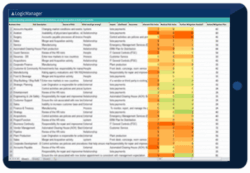
A structured risk assessment is not just a one-time exercise; it is an ongoing process that helps identify, evaluate, and mitigate potential threats to your remote deposit capture system. This is where a well-designed remote deposit capture risk assessment template becomes invaluable. It provides a standardized approach, ensuring that no critical area is overlooked and that your assessment is comprehensive, consistent, and actionable. Think of it as your roadmap for navigating the complexities of RDC security and compliance.
The initial step in using such a template typically involves identifying all potential risks associated with your specific RDC implementation. This includes reviewing the technology used, the processes followed, the people involved, and any third-party services utilized. Once risks are identified, the next phase is analysis: assessing the likelihood of each risk occurring and the potential impact it would have on your organization if it did. This helps in prioritizing risks, allowing you to focus resources on the most critical areas that pose the greatest threat.
After identifying and analyzing risks, the template guides you in developing and implementing appropriate control measures. These controls can be technical, such as encryption and multi-factor authentication; procedural, like segregation of duties and transaction limits; or administrative, such as employee training and regular audits. The goal is to reduce the likelihood or impact of identified risks to an acceptable level. Remember, your template should be a living document, reviewed and updated regularly to reflect changes in your RDC environment, technology, or regulatory landscape.
Ultimately, a robust risk assessment framework not only helps protect your assets and maintain compliance but also fosters confidence among your users and stakeholders. By systematically evaluating and addressing RDC risks, you create a more secure and resilient operational environment. This proactive approach ensures that the convenience and efficiency offered by remote deposit capture are realized without compromising security or inviting unnecessary exposure to financial and reputational harm, reinforcing trust in your digital banking capabilities.
* Identify potential threats and vulnerabilities within your RDC process.
* Assess the likelihood and potential impact of each identified risk.
* Develop and implement specific control measures to mitigate these risks.
* Monitor and review your RDC environment and controls regularly for effectiveness.
* Document all findings, actions taken, and ongoing risk management activities.
Embracing remote deposit capture offers tremendous advantages, but these come hand-in-hand with responsibilities to secure the process. Proactively understanding and addressing potential vulnerabilities ensures that you can maximize the benefits of this technology while maintaining robust security and compliance standards. This diligence protects not only your financial interests but also the trust placed in your operations.
Maintaining an updated and comprehensive risk management strategy for RDC is crucial for long-term success and stability. By consistently evaluating your environment, adapting to new threats, and reinforcing your controls, you build a resilient foundation that supports secure and efficient digital banking for everyone involved.