Bringing an employee back to work after a period of absence, whether due to illness, injury, maternity leave, or any other long-term break, can be a delicate process. It’s a time when both the employee and the employer need to feel confident that the transition will be smooth, safe, and supportive. Ensuring a successful reintegration isn’t just about ticking boxes; it’s about creating an environment where an individual can thrive upon their return, minimizing the chances of setbacks or further issues.

Navigating the complexities of individual needs, potential workplace adjustments, and legal obligations can feel daunting for any business owner or HR professional. That’s where a well-structured return to work risk assessment template becomes incredibly valuable. It provides a clear, systematic framework to identify and mitigate potential risks, ensuring a thoughtful and person-centred approach to an employee’s re-entry into the workplace.
Why a Return to Work Risk Assessment is Essential
When an employee prepares to return after an extended absence, it’s not simply a matter of them picking up where they left off. Their circumstances may have changed, and the workplace environment might need modifications to accommodate their new or ongoing needs. A robust risk assessment is not just good practice; it’s often a legal requirement, demonstrating an employer’s commitment to the health, safety, and well-being of their staff. It helps prevent a recurrence of the issue that caused the absence or the development of new problems related to their return.
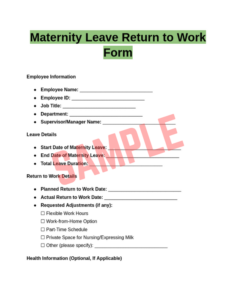
Consider the various scenarios: an employee recovering from a physical injury might need ergonomic adjustments or reduced physical demands, while someone returning from stress leave might require adjustments to their workload or working hours. Maternity returners might need flexible working arrangements or suitable facilities for expressing milk. Without a structured assessment, these crucial considerations could be overlooked, leading to discomfort, reduced productivity, or even further time off, creating a cycle of absence that benefits no one.
Beyond compliance, undertaking a thorough return to work risk assessment fosters a culture of care and support within your organization. It shows employees that their well-being is a priority, which can significantly boost morale, loyalty, and overall productivity. When employees feel valued and supported during challenging times, they are more likely to be engaged and committed to their roles, contributing positively to the company’s success. It’s an investment in your human capital, paying dividends in reduced absenteeism and a healthier, happier workforce.
The process of completing an assessment allows for open dialogue between the employer and employee, often involving medical professionals if appropriate. This collaborative approach ensures that all perspectives are considered, leading to a more effective and tailored return-to-work plan. It’s about building a bridge back into the workplace, ensuring that bridge is strong, stable, and safe for everyone involved.
Key Areas to Consider in Your Assessment
- Employee’s current health status: Understanding any ongoing limitations, medical advice, or specific needs.
- Workplace environment: Identifying any physical hazards or ergonomic issues that might impact the returning employee.
- Job role and duties: Assessing whether the original duties are still suitable or if modifications are needed (e.g., reduced tasks, temporary role changes).
- Psychological and emotional well-being: Considering potential anxieties about returning, and the need for support networks or counselling.
- Training and refreshers: Determining if any new skills are required or if existing ones need to be refreshed after a long break.
- Communication plan: Establishing clear lines of communication for ongoing support and review.
Crafting and Implementing Your Return to Work Plan
Once you’ve identified the potential risks and gathered the necessary information, the next step is to create a practical and actionable return-to-work plan. A return to work risk assessment template isn’t just a static document; it’s a living guide that helps you outline the specific steps and adjustments needed to facilitate a smooth return. This plan should be developed in close consultation with the employee, ensuring they feel heard, understood, and actively involved in shaping their reintegration.
The plan might involve a phased return, where the employee gradually increases their hours or duties over a period, rather than jumping straight back into a full workload. It could also include specific adjustments to their workspace, such as a new chair or a sit-stand desk, or modifications to their tasks, perhaps temporarily avoiding heavy lifting or tasks requiring intense concentration. The key is flexibility and a willingness to adapt the plan as the employee progresses and their needs evolve.
Ongoing communication is paramount during the implementation phase. Regular check-ins with the returning employee will help monitor their progress, address any emerging concerns, and ensure that the adjustments put in place are effective. This proactive approach allows you to make timely modifications to the plan, preventing minor issues from escalating and ensuring the employee feels continuously supported. It also demonstrates your commitment to their long-term well-being and successful re-engagement with their role.
Remember that every individual’s situation is unique, and while a template provides structure, the final plan must be personalized. It’s about empowering your employees to return to work feeling confident and capable, knowing that their employer has taken all necessary steps to support them. A well-executed plan not only benefits the employee by facilitating a safe return but also strengthens the overall resilience and adaptability of your workforce.
- Tailor the plan: Customize the template to fit the individual’s specific needs and circumstances.
- Establish a review schedule: Set regular dates to check in on the employee’s progress and the effectiveness of the plan.
- Allocate resources: Ensure that any required adjustments, equipment, or support services are readily available.
- Educate supervisors: Make sure line managers and team leaders understand the plan and their role in supporting the employee.
Ultimately, a proactive and empathetic approach to an employee’s return to work is a cornerstone of a healthy and productive workplace. By utilizing a structured process to assess risks and develop tailored plans, you not only meet your legal obligations but also cultivate an environment where employees feel valued and supported. This commitment to their well-being ensures a smoother transition back into their roles, benefiting both the individual and the organization as a whole.
Creating a supportive framework for returning employees fosters trust and loyalty, reinforcing the message that your company cares for its people. This positive culture encourages resilience and makes your workplace more attractive, helping to retain valuable talent and build a stronger, more engaged team ready to face future challenges together.