Creating a truly safe workplace isn’t just about having rules; it’s about making sure everyone understands those rules and knows how to act safely in various situations. That’s where effective safety training comes into play. But how do you know what training your team actually needs? Simply throwing a generic course at them might check a box, but it won’t necessarily make your environment any safer or your employees more confident.
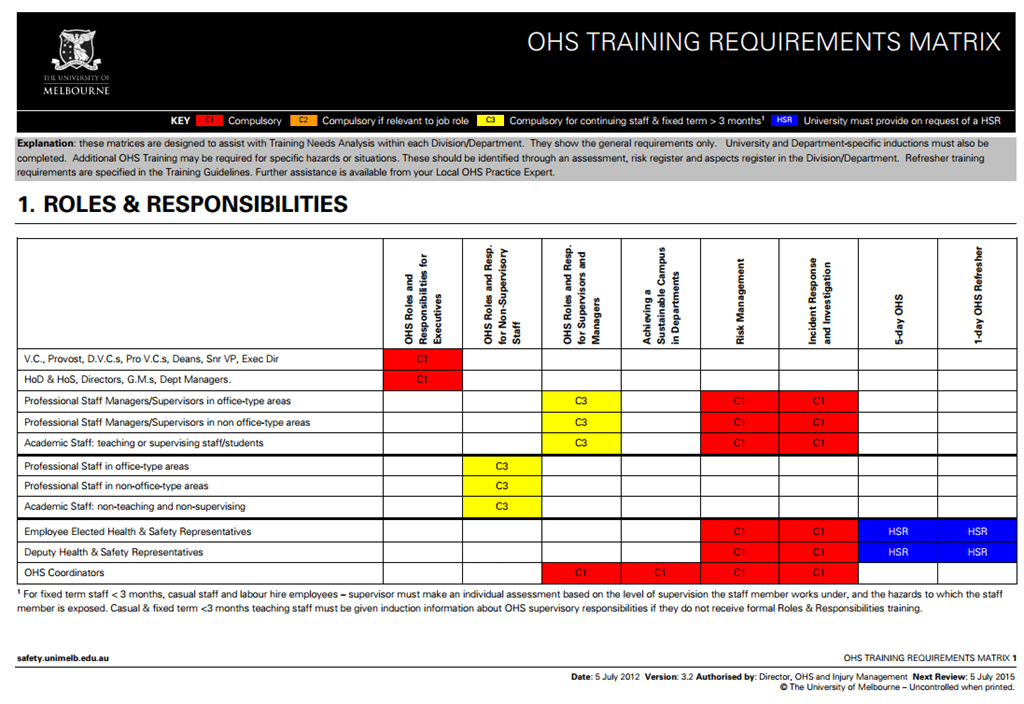
This is precisely why a systematic approach to identifying training gaps is so vital. It’s about being proactive rather than reactive, ensuring that your training efforts are targeted, relevant, and impactful. Understanding the specific needs of your workforce helps you design programs that truly resonate and deliver tangible improvements in workplace safety.
Why a Safety Training Needs Assessment Is Essential
Safety training isn’t just a regulatory requirement; it’s a cornerstone of a healthy and productive work environment. Many organizations approach training with a one-size-fits-all mentality, which often leads to wasted resources, disengaged employees, and, most critically, continued exposure to preventable hazards. Without a clear understanding of what skills and knowledge gaps exist, training can miss its mark entirely, failing to address the real-world risks your team faces every day.
Imagine investing significant time and money into a training program only to find that your employees already knew most of the content, or worse, that it didn’t cover the specific challenges unique to their roles. This is a common pitfall. An effective assessment identifies these crucial gaps, allowing you to tailor your training to precisely what’s needed, thereby maximizing its effectiveness and your return on investment. It transforms training from a compliance chore into a powerful tool for risk reduction and skill enhancement.
Beyond simply filling knowledge gaps, a thorough safety training needs assessment can uncover underlying systemic issues. Perhaps incidents are happening because of outdated procedures, or maybe a particular department lacks awareness about new equipment. By systematically analyzing these areas, you’re not just planning training; you’re building a more robust safety culture from the ground up. It’s about understanding the specific context of your operations and equipping your team with the most relevant and up-to-date information.
Ultimately, using a well-structured safety training needs assessment template ensures that every minute and dollar spent on safety training contributes directly to a safer, more compliant, and more efficient workplace. It helps you prioritize training efforts, ensuring that critical areas are addressed first and that all training aligns with both regulatory requirements and your organization’s specific safety objectives.
Key Elements to Consider
- **Regulatory Compliance:** What specific laws, industry standards, or certifications are mandatory for your operations and job roles?
- **Incident and Near-Miss Reports:** What do past incidents and near-misses tell you about existing hazards and knowledge gaps? Are there recurring themes?
- **Job Roles and Hazard Exposure:** What unique hazards are associated with each job role or department, and what specific training is required to mitigate them?
- **Employee Feedback and Observations:** What do your employees feel they need more training on? What do safety audits and observations reveal about unsafe practices?
- **Equipment and Process Changes:** Have there been any new equipment installations, process modifications, or technology updates that require new training?
Building Your Effective Safety Training Program
Once you’ve gathered all the insights from your assessment, the real work of building a truly impactful safety training program begins. This isn’t just about scheduling a few sessions; it’s about strategically designing content and delivery methods that will genuinely resonate with your workforce and address the identified gaps. You’ll want to think about who needs what, how they learn best, and what will make the information stick long-term.
Translating assessment data into actionable training modules involves more than just listing topics. It means defining clear learning objectives for each session and choosing the most appropriate training methods. For instance, some topics might be best delivered through interactive workshops, while others might benefit from hands-on demonstrations or even concise, on-demand e-learning modules. The goal is to match the content to the audience and the subject matter in a way that maximizes engagement and knowledge retention.
Furthermore, a great safety training program isn’t a one-and-done event. It requires continuous review and adaptation. Workplace environments evolve, new hazards emerge, and regulations can change. Regularly revisiting your training materials, gathering feedback from participants, and re-evaluating the effectiveness of your programs are crucial steps in maintaining a dynamic and responsive safety culture. Think of it as an ongoing conversation rather than a finished product.
Finally, remember that the most brilliant training program won’t succeed without buy-in from all levels of the organization, from top management to the newest hire. Clearly communicating the "why" behind the training, showing its direct relevance to their safety and well-being, and demonstrating management’s commitment to safety will significantly increase participation and effectiveness. A well-executed safety training needs assessment template helps lay this groundwork, ensuring that your training strategy is not only effective but also embraced by everyone.
A proactive approach to safety training, starting with a comprehensive needs assessment, is incredibly powerful. It ensures that your efforts are always focused on the most critical areas, leading to a safer environment for everyone and fostering a culture where safety is a shared responsibility. When you know precisely what training is needed and why, you’re building a foundation for a workplace that not only meets compliance but truly thrives on safety.