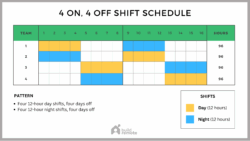
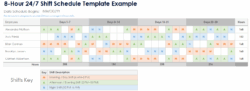
For many businesses and employees, the traditional 8-hour workday is becoming a thing of the past. The rise of alternative schedules, like the 10-hour shift, offers a fresh perspective on productivity and work-life balance. Whether you’re managing a bustling manufacturing plant, a dedicated healthcare team, or a round-the-clock service operation, understanding how to effectively organize these longer shifts is crucial for maintaining both operational efficiency and team morale.
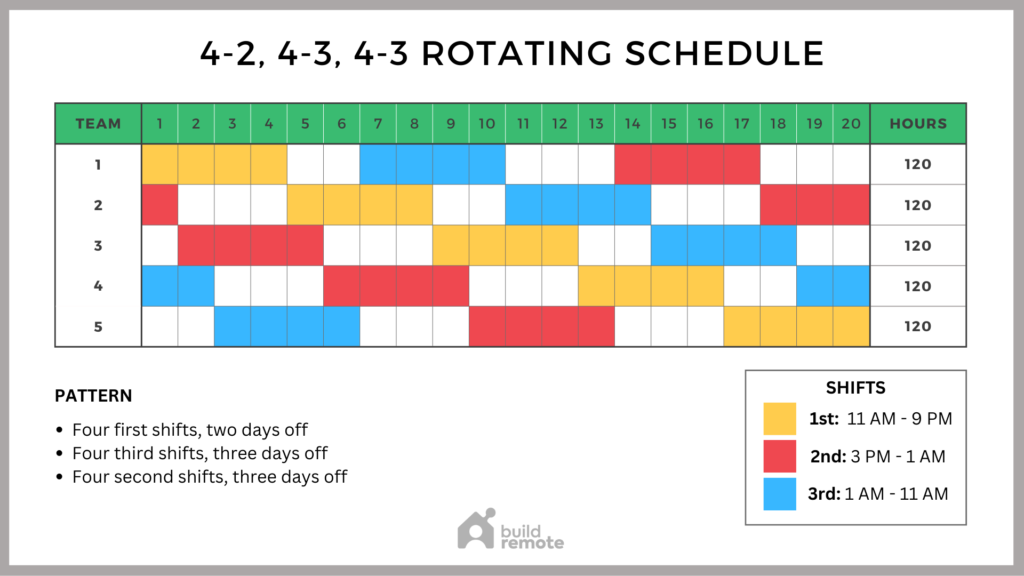
Crafting a schedule that accommodates 10-hour shifts without leading to burnout or gaps in coverage can feel like a complex puzzle. That’s where a well-designed 10 hour shift schedule template becomes an invaluable tool. It’s more than just a grid of names and times; it’s a strategic blueprint that ensures your team is always where they need to be, when they need to be there, all while providing employees with a predictable and often more desirable work rhythm.
Why Choose a 10 Hour Shift Schedule? Unpacking the Benefits and How a Template Streamlines It
Embracing 10-hour shifts often comes with a host of advantages for both employers and their teams. For employees, the most celebrated benefit is frequently the extended time off. Working four 10-hour days, for example, typically means enjoying a three-day weekend every week, which can significantly boost work-life balance, reduce commute times over the course of a week, and offer more personal time for appointments, hobbies, or family commitments. This improved flexibility can lead to higher job satisfaction and reduced turnover rates.
From an organizational perspective, 10-hour shifts can lead to more efficient operations. Longer shifts often mean fewer handovers between teams, which can minimize miscommunication and improve continuity in tasks or projects. It also allows for extended operating hours without necessarily increasing the number of employees on site at any given time, making it ideal for businesses that require continuous coverage or want to extend their service window. The reduced daily start-up and shut-down times can also contribute to overall productivity gains.
Common Types of 10 Hour Shift Rotations
A robust 10 hour shift schedule template is instrumental in managing these different rotation types. It provides a visual framework to plot out shifts, assign personnel, and track hours, ensuring that no employee is overworked and that all operational hours are adequately staffed. Without a template, trying to juggle various rotations, individual preferences, and legal requirements can quickly become a logistical nightmare.
The beauty of a well-designed template lies in its adaptability. It serves as a foundation that you can customize to fit the unique rhythms and demands of your specific industry and workforce. Whether you need to account for specific skill sets, seniority, or simply ensure an even distribution of weekend shifts, the template helps you visualize and implement these nuances with far greater ease and accuracy, making complex scheduling decisions much more manageable.
Designing Your Ideal 10 Hour Shift Schedule Template: Practical Steps and Considerations
Creating an effective 10 hour shift schedule template isn’t just about filling in boxes; it’s about strategic planning that aligns with your business goals and respects your team’s needs. Before you even touch a spreadsheet, consider your operational requirements: what are your peak hours, what specific skills are needed at certain times, and what are the legal stipulations regarding breaks and consecutive work days in your region? A clear understanding of these foundational elements will guide every decision you make in the scheduling process.
Next, you’ll want to outline the essential components of your template. This typically includes fields for employee names, the specific days of the week, the exact start and end times for each 10-hour shift, and perhaps a column for total weekly hours to ensure compliance and prevent overtime surprises. You might also want to include sections for break times, on-call assignments, or even a system for indicating preferred days off, if your policy allows. A clear, well-structured template will be easy to read and understand for everyone involved.
Practical tips for populating your schedule include rotating employees through less desirable shifts to ensure fairness and prevent burnout, always ensuring adequate coverage, and building in buffer time for unexpected absences. Remember to account for meal and rest breaks as mandated by law, ensuring they are properly integrated into the 10-hour block. A visually intuitive format, perhaps color-coded for different shifts or teams, can significantly improve readability and reduce confusion among staff, making the entire system much more user-friendly.
Once your 10 hour shift schedule template is developed and put into practice, the work isn’t over. It’s crucial to treat it as a living document. Regularly solicit feedback from your employees about what’s working and what isn’t. Business needs can change, and employee availability or preferences might evolve. Periodically reviewing and making adjustments to the template based on this input will ensure it remains effective, efficient, and fair, fostering a positive work environment and supporting your operational success in the long run.
Implementing a well-crafted 10-hour shift schedule can truly transform how your business operates, leading to a more engaged workforce and enhanced productivity. By utilizing a comprehensive and adaptable template, you’re not just managing time; you’re investing in clarity, fairness, and the overall well-being of your team, setting the stage for consistent and sustainable growth.