For many industries operating around the clock, like healthcare, manufacturing, and public safety, 12-hour shifts are a common reality. While they offer certain advantages, such as fewer commute days and longer stretches of time off, managing these extended work periods effectively can be a complex puzzle. Balancing employee well-being, operational needs, and regulatory compliance requires meticulous planning, often leading to headaches for managers and staff alike if not handled correctly.
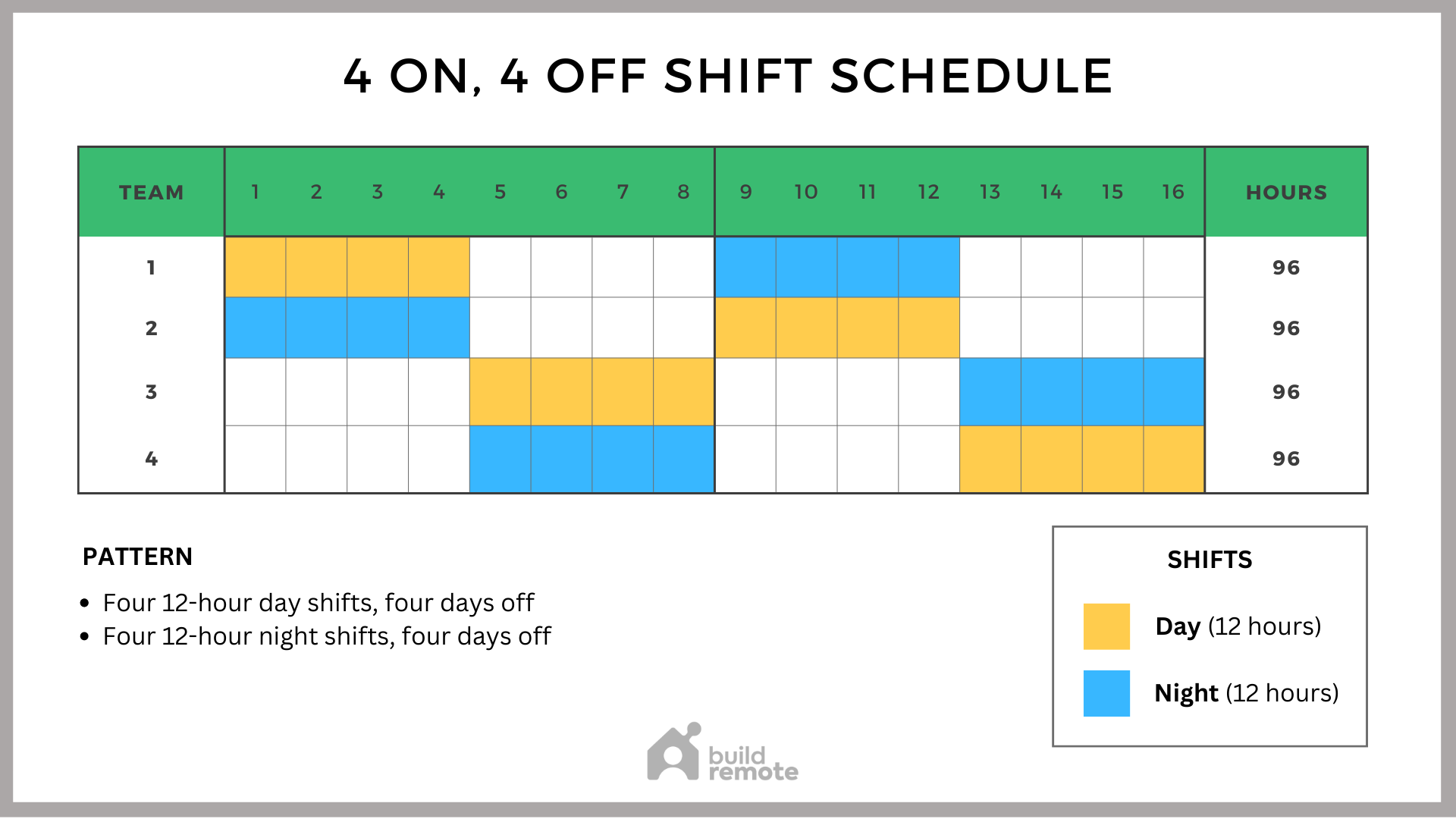
That is precisely where a thoughtfully designed 12 hour work schedule template becomes an indispensable tool. Far from being just a rigid timetable, it serves as a dynamic blueprint that can streamline operations, enhance employee satisfaction, and ensure consistent coverage. Crafting the right schedule can transform potential burnout into productive engagement, making a significant difference in both efficiency and morale.
Understanding the Appeal and Challenges of 12-Hour Shifts
The widespread adoption of 12-hour shifts isn’t without reason. For businesses, they often mean fewer shift changes, which can lead to smoother handovers and reduced administrative overhead. From an employee’s perspective, working longer shifts can consolidate their workweek, providing more consecutive days off. This often translates into more personal time for family, hobbies, or even extended travel without needing to take as many vacation days, making it an attractive option for some.
However, the benefits come hand-in-hand with significant challenges. Extended hours can lead to fatigue, decreased concentration, and an increased risk of errors or accidents, especially towards the end of a shift. Maintaining a healthy work-life balance can also be difficult if not enough recovery time is built into the schedule. Companies must also navigate legal requirements regarding breaks, overtime, and maximum working hours to avoid compliance issues.
Addressing these challenges is paramount for the long-term sustainability of any operation relying on 12-hour shifts. It’s not simply about filling slots, but about creating a rhythm that supports both the business and its people. This requires a strategic approach to scheduling that considers not just when people work, but also how long they rest, and how frequently their shifts rotate.
Key Benefits for Employees
- More Days Off: Employees typically work fewer days per week or per cycle, allowing for larger blocks of personal time.
- Fewer Commutes: Reducing the number of days spent traveling to and from work saves time and money.
- Extended Periods for Personal Activities: Longer stretches of consecutive days off make it easier to plan short trips, appointments, or simply relax and recharge.
- Improved Team Cohesion on Shift: Teams spend more continuous time together, fostering stronger working relationships and communication.
A well-structured schedule, perhaps built upon a robust 12 hour work schedule template, can mitigate many of these issues by ensuring adequate rest periods and predictable shift patterns, fostering a healthier and more productive workforce.
Designing Your Optimal 12 Hour Work Schedule Template
When it comes to crafting your own 12 hour work schedule template, there isn’t a one-size-fits-all solution. Various industries and even different departments within the same company might benefit from distinct rotation patterns. Popular models like the DuPont schedule, the Pitman schedule (also known as the Every Other Weekend Off schedule), or the Panama schedule (a 2-2-3 rotation) are common because they offer specific advantages in terms of days off, shift balance, and weekend coverage. Understanding the nuances of each and how they align with your operational needs is the first step.
A truly effective template goes beyond just assigning shifts; it factors in employee preferences, skill sets, and even considers the natural human circadian rhythm where possible, especially if employees rotate between day and night shifts. Key elements to include are clear start and end times, designated break periods, and a transparent system for requesting time off or swapping shifts. This clarity reduces confusion and fosters a sense of fairness among staff.
Implementing a new schedule, or even modifying an existing 12 hour work schedule template, often requires a period of adjustment. Open communication with your team is crucial. Gathering feedback, being flexible where possible, and clearly explaining the rationale behind the chosen schedule can significantly improve its adoption and success. Regular reviews of the schedule’s effectiveness, perhaps quarterly or semi-annually, allow for necessary adjustments based on changing business needs or employee input.
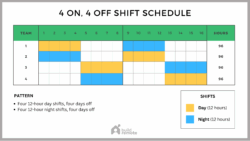
To give you an idea of popular patterns:
- The DuPont Schedule: A common pattern involving four teams and two 12-hour shifts to cover 24/7. Teams work 4 consecutive night shifts, have 3 days off, work 3 consecutive day shifts, have 1 day off, work 3 consecutive night shifts, have 3 days off, work 4 consecutive day shifts, then have 7 days off.
- The Pitman Schedule (also known as the Every Other Weekend Off schedule): This schedule typically uses four teams and two 12-hour shifts. It follows a 2-2-3 pattern within a two-week cycle, ensuring employees get every other weekend off. For example, work 2 days, off 2 days, work 3 days, off 2 days, work 2 days, off 3 days.
- The Panama Schedule (or 2-2-3, 2-3-2): Another popular pattern, often involving four teams and two 12-hour shifts, rotating between day and night shifts every few weeks or months.
Ultimately, the goal is to create a predictable, fair, and efficient schedule that minimizes fatigue, maximizes productivity, and supports a positive working environment. A well-designed template is not a static document but a living framework that evolves with your organization’s needs.
Crafting an optimal 12-hour work schedule is a balancing act, demanding attention to both the logistical demands of the business and the well-being of its workforce. The careful consideration and implementation of a well-thought-out system can mitigate the potential drawbacks of extended shifts, turning them into a strategic advantage for continuous operations.
By taking the time to design a comprehensive and adaptable 12 hour work schedule template, organizations can create a more predictable and sustainable work environment. This proactive approach not only ensures consistent coverage and efficiency but also significantly contributes to employee satisfaction, reducing turnover and fostering a more engaged and productive team.