Running an operation that never sleeps, whether it’s a critical emergency service, a bustling manufacturing plant, or a customer support center spanning time zones, presents a unique set of challenges. One of the biggest hurdles is ensuring consistent coverage while also managing employee well-being and adhering to labor laws. It’s a delicate balancing act that, if not handled correctly, can lead to burnout, missed shifts, and operational inefficiencies.
That’s where a well-crafted schedule comes into play, turning what could be a logistical nightmare into a smooth, predictable process. A robust and adaptable 24 7 shift schedule template isn’t just a document; it’s the backbone of your round-the-clock operations, designed to keep your team engaged and your business running seamlessly without a hitch. It provides clarity, fairness, and the flexibility needed in dynamic environments.
Crafting the Ideal 24 7 Shift Schedule Template for Your Team
Designing an effective schedule for a 24/7 operation requires careful consideration of various factors, from the specific needs of your business to the personal lives of your employees. It’s not just about filling slots; it’s about creating a sustainable rhythm that supports both productivity and employee satisfaction. The goal is to minimize fatigue, ensure fair distribution of less desirable shifts, and provide ample rest periods, all while maintaining constant coverage. A good 24 7 shift schedule template acts as your starting point, offering a structured framework that you can then tailor to your unique organizational culture and operational demands.
There are several well-known scheduling models that businesses often adapt for their continuous operations. Each offers a different approach to balancing work and rest, with varying impacts on employee morale and operational continuity. Understanding these models is crucial before you dive into customizing your own template. They provide a tested foundation, allowing you to learn from the experiences of other 24/7 businesses and select the model that best aligns with your team’s size and operational tempo.
Common 24 7 Shift Schedule Template Models
-
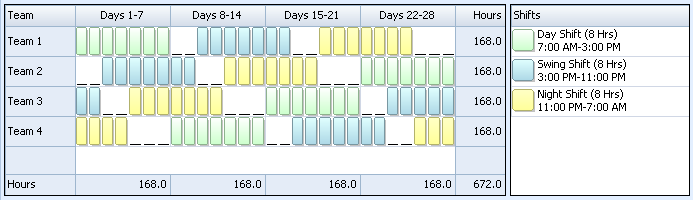
DuPont Schedule: Often uses a 12-hour shift pattern, rotating through four teams over a 28-day cycle, providing employees with a good mix of work and extended time off.
-
Pitman Schedule (also known as the 2-3-2 or Continental): Features two 12-hour shifts followed by two days off, then three 12-hour shifts followed by two days off, and then two 12-hour shifts followed by three days off. This rotation repeats over an 8-day cycle.
-
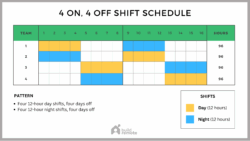
4 On 4 Off Schedule: As the name suggests, this involves four consecutive workdays followed by four consecutive days off. This straightforward pattern can be popular for its predictability and extended breaks.
-
Rotating Schedules: These often involve employees working a set number of days on one shift (e.g., day shift) before rotating to another (e.g., night shift) after a period of rest. This ensures fairness but can be challenging for employees’ body clocks.
When you start with a template, it saves you countless hours of starting from scratch. Instead of figuring out how to balance every shift and every employee manually, you have a pre-structured system that already considers common patterns and breaks. This allows you to focus on the nuances: who works best together, individual availability, and specific skill requirements for certain shifts. It provides a blueprint that ensures consistency across your shifts, making it easier for employees to understand their work patterns and for managers to track coverage.
Remember, a template is a starting point, not a rigid rulebook. The most effective schedule is one that is flexible enough to adapt to unexpected absences, changes in demand, and evolving employee needs. Continuously gathering feedback from your team and being open to adjustments will ensure that your chosen 24 7 shift schedule template remains a dynamic and useful tool for your continuous operations.
Navigating the Nuances of a Reliable 24 7 Shift Schedule Template
Implementing a new 24/7 shift schedule, or even refining an existing one, extends beyond just mapping out shifts on a calendar. It involves a strategic approach to ensure compliance, foster employee satisfaction, and maintain operational resilience. A carefully thought-out schedule can significantly impact everything from overtime costs to employee retention, making it a critical component of your organizational health. Therefore, when you are putting your 24 7 shift schedule template into action, it is essential to consider the broader implications and prepare for various eventualities.
One of the foremost considerations is adherence to labor laws and regulations. Different regions and industries have specific rules regarding maximum working hours, mandatory breaks, overtime pay, and fair workweek initiatives. Failing to comply with these can result in hefty fines and damage to your company’s reputation. Your template needs to be built with these legal frameworks in mind, ensuring that every shift rotation, every break, and every overtime hour is meticulously accounted for and compliant.
Equally important is prioritizing employee well-being and engagement. Long hours and rotating shifts can take a toll, so a good schedule should aim to mitigate fatigue and promote a healthy work-life balance. This might involve incorporating longer blocks of time off, allowing for personal preferences where possible, or implementing robust shift swapping policies. When employees feel that their needs are considered, they are more likely to be productive, committed, and less prone to burnout.
Furthermore, leveraging the right tools can make a significant difference in managing your template effectively. While a basic spreadsheet can serve as a starting point, dedicated scheduling software offers advanced features like automated scheduling, real-time availability tracking, communication portals, and compliance alerts. These tools can drastically reduce the administrative burden, minimize errors, and provide valuable insights into staffing efficiencies, allowing managers to focus on strategic tasks rather than manual adjustments.
Finally, effective communication and a willingness to adapt are crucial. Any new schedule should be clearly communicated to all team members, with ample time for questions and feedback. Providing training on how the new schedule works, how to request changes, and what the expectations are will smooth the transition. Moreover, a schedule is never truly “finished.” Business needs change, employees leave, new ones join, and unforeseen events occur. Regularly reviewing the effectiveness of your template, collecting feedback, and being prepared to make adjustments ensures that your 24/7 operation remains agile and your team remains supported.
Creating an optimized schedule for continuous operations is a dynamic process, not a one-time task. By thoughtfully designing and implementing your template, you’re not just managing shifts; you’re investing in the efficiency of your business and the well-being of your dedicated workforce. A well-executed schedule ensures that your organization can consistently meet its demands, maintaining productivity and morale around the clock, every day of the year.