Navigating the complexities of our healthcare journey can often feel like trying to remember a long shopping list without writing anything down. From appointment dates to medication changes, and every little symptom in between, keeping track of it all is a daunting task. That’s where a well-designed doctor visit record template comes into play, offering a straightforward solution to organize your health information efficiently and effectively.
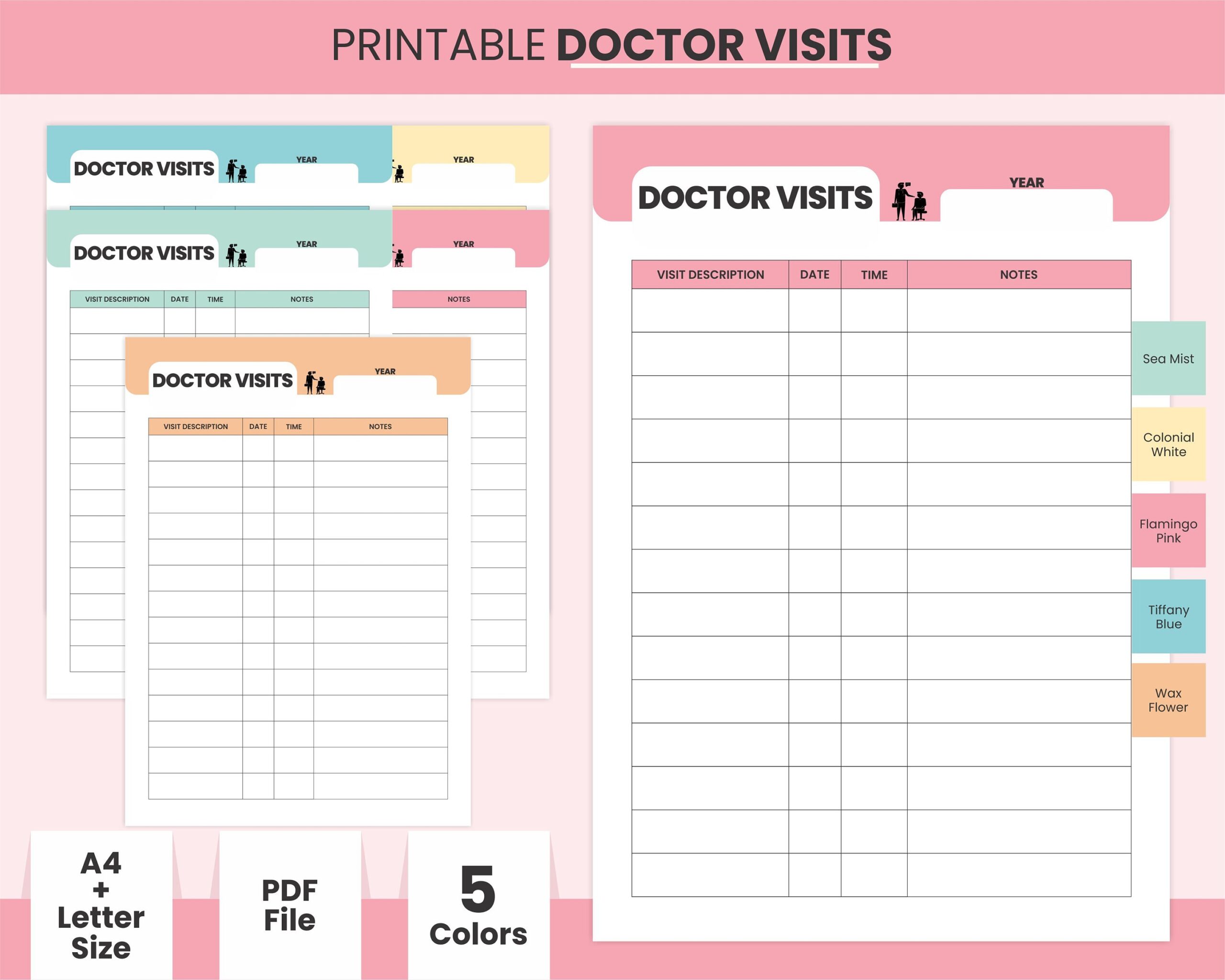
Imagine walking into your doctor’s office feeling completely prepared, with every piece of relevant information at your fingertips. No more racking your brain trying to recall when a particular symptom started or what dosage you were prescribed months ago. A personal health record simplifies communication, empowers you to make informed decisions, and ultimately gives you greater peace of mind about your health management.
In our busy lives, health can sometimes take a backseat until an urgent need arises. But proactive health management, including detailed record-keeping, is a cornerstone of overall well-being. It’s not just for those with chronic conditions; everyone can benefit from a clear, concise log of their medical history, creating a narrative that supports better health outcomes for years to come.
Why Keeping Track of Your Health Matters More Than You Think
Taking an active role in managing your health is one of the most powerful steps you can take for your well-being. It goes beyond just attending appointments; it’s about understanding your body, remembering details, and advocating for yourself. When you keep accurate records, you’re building a comprehensive story of your health, piece by piece, that can be invaluable in numerous situations.
Streamlining Doctor-Patient Communication
How many times have you left a doctor’s appointment only to realize you forgot to mention a crucial detail or ask an important question? Or perhaps your doctor asks about the exact date a symptom began, and your mind goes blank. Having a detailed record means you can present clear, accurate information, allowing your healthcare provider to make a more precise diagnosis and tailor treatments more effectively. It transforms vague recollections into concrete data, making every minute of your appointment more productive.
This improved communication isn’t just one-sided. Your records also serve as a personal transcript of the doctor’s advice, diagnoses, and treatment plans. It’s easy for details to get lost in the shuffle of information during a consultation, especially when you’re feeling unwell or stressed. Referring back to your own notes ensures you fully grasp the instructions and understand the rationale behind your care plan.
Empowering Your Health Decisions
Knowledge is power, especially concerning your health. When you have a clear history of your symptoms, diagnoses, medications, and the results of various tests, you’re in a much stronger position to participate actively in decisions about your care. You can ask more targeted questions, understand the implications of different treatment options, and even seek second opinions with all the necessary information readily available. This proactive approach fosters a sense of control and collaboration with your medical team.
Moreover, consistent record-keeping allows you to track patterns and changes over time. You might notice subtle trends in your symptoms, the effectiveness of certain medications, or how lifestyle changes impact your condition. These insights can be incredibly valuable, not just for you but also for your doctors, providing a deeper understanding that might otherwise be missed through isolated appointments.
Finally, a comprehensive health record can save you time, money, and unnecessary stress. Imagine needing to see a new specialist or changing primary care physicians. Instead of repeating numerous tests or struggling to recall past treatments, you can simply share your organized records. This ensures continuity of care, prevents redundant procedures, and helps new providers get up to speed quickly and efficiently.
What to Include in Your Doctor Visit Record Template
Creating an effective record doesn’t have to be complicated. The goal is to capture key information in a structured way that makes it easy to review and understand later. While you can always customize it, certain elements are universally helpful for building a comprehensive snapshot of your medical encounters. Think of it as your personal health diary, but with a specific purpose and format.
A well-organized doctor visit record template acts as a central hub for all the essential details from your appointments. It ensures that no vital piece of information slips through the cracks, from the smallest symptom observation to the most significant treatment change. This level of detail becomes invaluable when managing ongoing conditions, coordinating care among multiple specialists, or simply preparing for your next check-up.
By consistently populating your template, you’ll build a rich, longitudinal view of your health journey. This resource can be a lifesaver in emergencies, a guide for preventative care, and a powerful tool for self-advocacy. Here are some critical details you should consider including:
- Date and Time of Visit: Essential for chronological tracking.
- Doctor’s Name and Specialty: Who did you see and for what reason?
- Reason for Visit: Your main concern or why you scheduled the appointment.
- Symptoms Discussed: A detailed description, including onset, duration, and severity.
- Diagnosis: What the doctor determined was the issue.
- Treatments Prescribed: Medications (name, dosage, frequency), therapies, or procedures.
- Tests Ordered: Blood work, X-rays, MRIs, etc., and why they were ordered.
- Referrals: If you were sent to another specialist.
- Next Steps/Follow-up Instructions: When to return, lifestyle changes, or things to monitor.
- Questions for the Doctor: A dedicated space to list your queries before the visit.
- Personal Notes/Observations: Any thoughts, feelings, or details you want to remember.
Embracing the practice of maintaining detailed medical records is a simple yet profoundly impactful step toward greater health literacy and self-care. It transforms the often-passive role of a patient into an active, informed participant in one’s own well-being. This proactive approach not only benefits you in the present but also lays a robust foundation for future health management, ensuring continuity and clarity across all your medical interactions.
Whether you choose a digital spreadsheet, a printable form, or a dedicated app, the key is consistency. Make it a habit to update your records after every medical encounter. This small effort yields significant returns, offering peace of mind and an invaluable resource for navigating your health journey with confidence and clarity.